


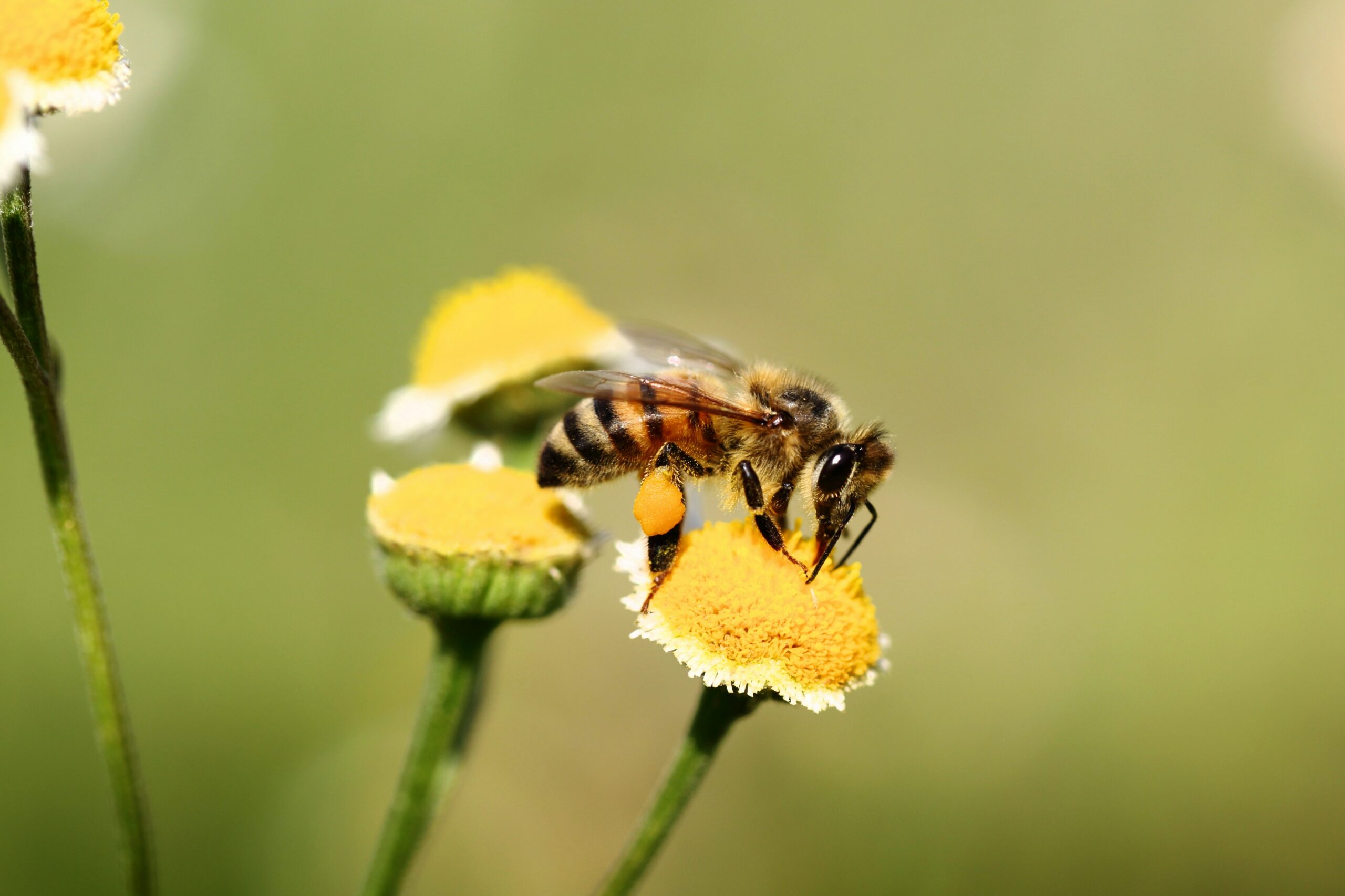
A new study in the Colorado Rockies shows that wild bumblebees actively select flowers to balance their intake of protein, fats, and carbohydrates. Over eight years, researchers tracked eight bee species and analyzed the pollen they collected, revealing wide variation in nutrient content and seasonal shifts. Spring flowers tended to provide protein-rich pollen, while late-summer blooms were higher in fats and carbohydrates. Individual bees adjusted their foraging based on colony needs, demonstrating that bees do not forage randomly but strategically.
Larger bees with longer tongues favored high-protein pollen, while smaller bees with shorter tongues sought pollen richer in carbohydrates and fats. These findings highlight the importance of maintaining floral diversity to meet the nutritional needs of wild pollinators. Conservation efforts and garden planning can use this information to support healthy bee populations, which are essential for ecosystems and human food systems alike.
