


Bird Populations Soar
At the Knepp Estate, the number of birds has skyrocketed over the past two decades. In 2007, scientists counted just 55 birds from 22 species along a set walking route. By 2025, that number had jumped to 559 birds from 51 species. Among them are rare and endangered birds on the UK’s “red list,” including nightingales, whose population on the estate has grown from just nine singing males in 1999 to 62 in 2025. Ecologist Fleur Dobner attributes this remarkable recovery to changes in land management, noting, “It’s increasing still, year-on-year, we’re getting higher and higher numbers of what we’re recording.”
Restoring Habitats and Ecosystems
The estate’s revival has been driven by a rewilding approach. Grazing animals such as longhorn cattle, deer, ponies, and pigs help create a patchwork of grassland, scrub, woodland, and open spaces. Rivers have been reshaped to more natural forms, beavers have returned to build wetlands, and white storks have been reintroduced. These efforts have transformed Knepp into a thriving ecosystem that supports a wide variety of wildlife.
Insects and the Food Chain
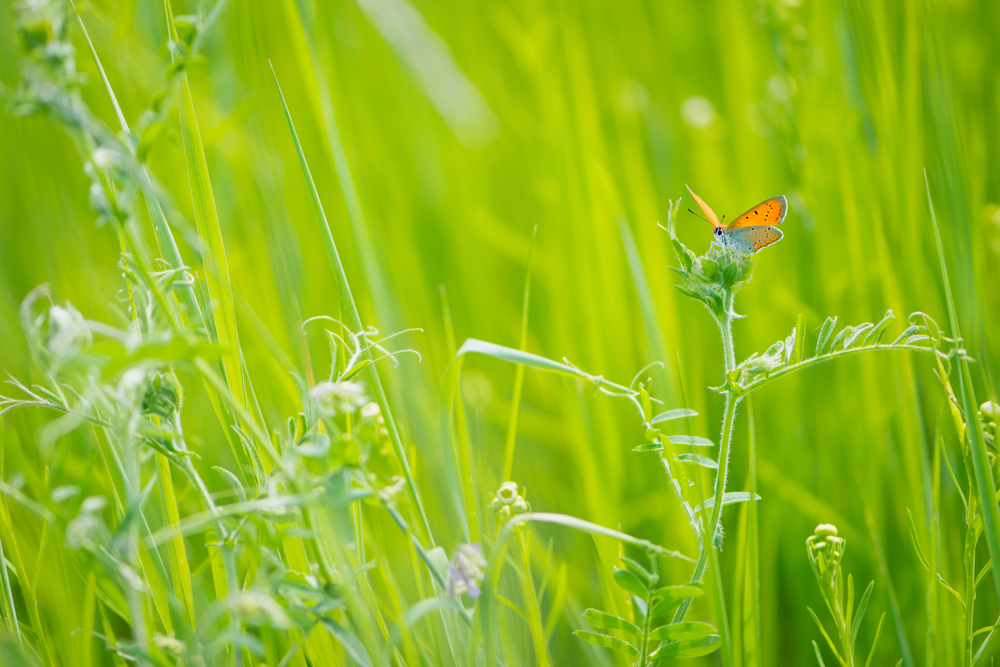
The resurgence isn’t limited to birds. Insect populations have flourished, with butterfly species more than doubling in some areas, including one of the UK’s largest populations of purple emperor butterflies. Isabella Tree, who manages the estate, highlights the importance of insects in the food chain: “More insects mean more food for birds, which are also food for larger birds of prey. Every single day is astonishing on the estate.” The success at Knepp shows how thoughtful conservation and habitat restoration can create a ripple effect, bringing an entire ecosystem back to life.
