


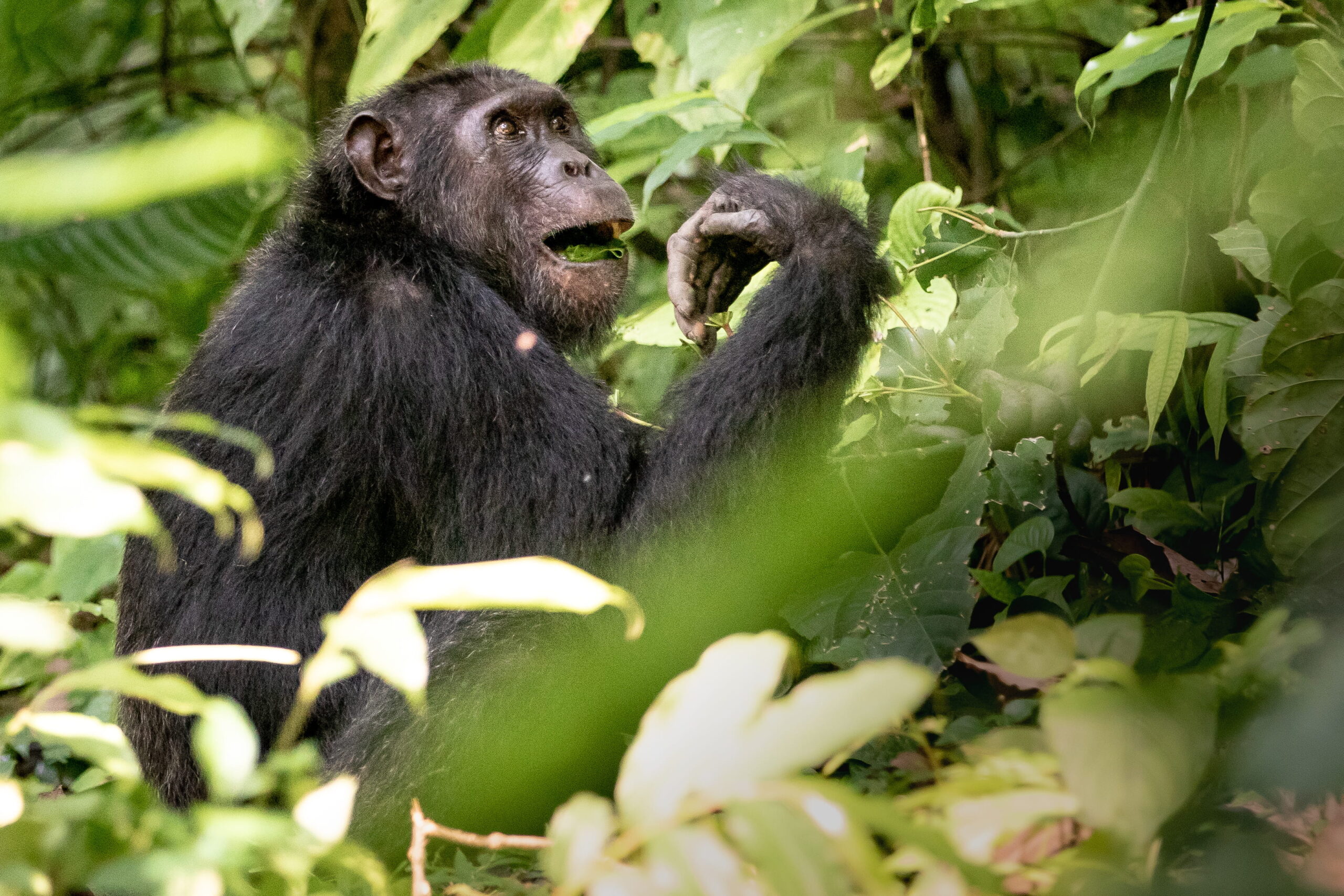
Same-sex sexual behaviour is widespread among non-human primates and may help reinforce social bonds during environmental or social stress, researchers suggest. Writing in Nature Ecology & Evolution, scientists led by Prof Vincent Savolainen of Imperial College London analysed reports across 59 primate species, including chimpanzees, Barbary macaques and mountain gorillas. The behaviour was found to be more common in species living in harsher, drier environments with scarce resources and higher predation risk. Researchers also linked it to longer lifespans, complex social hierarchies and intense competition within larger groups. First author Chloe Coxshall said both genetic and environmental factors appear to influence the behaviour, which may reduce tension, increase cooperation and help groups remain cohesive. The team suggested early human species may have exhibited similar patterns, though they cautioned against drawing direct conclusions about modern human sexuality. Independent experts welcomed the findings as evidence that same-sex behaviour is a common and adaptive feature of primate societies, while stressing the complexity of applying animal behaviour research to humans.

OMN AI
This article was created with the assistance of OMN AI, the AI-powered editorial platform developed by OMN Group. Every article is reviewed, fact-checked, and approved by a human journalist before publication to ensure accuracy and editorial quality. Learn more at https://omngroup.com
Add A Comment