


A once-dry stretch of land on the edge of Queenstown has been transformed into a thriving wetland, drawing back rare native wildlife and delighting conservationists. But just as success stories begin to take flight, a familiar threat is stalking the reeds — roaming pet cats that could undo years of restoration work.
A Rare Return Signals a Healthy Wetland
Excitement rippled through the Whakatipu Wildlife Trust when a pair of marsh crakes — one of New Zealand’s most elusive native birds — were spotted at the Shotover Wetland. Executive officer Anna Harding-Shaw, who first saw the birds, described the moment as unforgettable.
Marsh crakes are so secretive that their population numbers are still unknown. Their appearance is significant because they only settle in wetlands that are thriving. For Harding-Shaw and the community groups who have spent a decade restoring the site, the sighting felt like proof that their efforts were paying off.
Students from Shotover Primary School have played a major role in that restoration, planting thousands of native species and monitoring water quality and wildlife. Former student Audrey Austin, now at Wakatipu High School, still visits regularly and marvels at how the area has come alive with birds, insects and reptiles.
Seeing the marsh crakes return, she said, was the ultimate reward for years of hard work.
Trail Cameras Reveal a New Problem
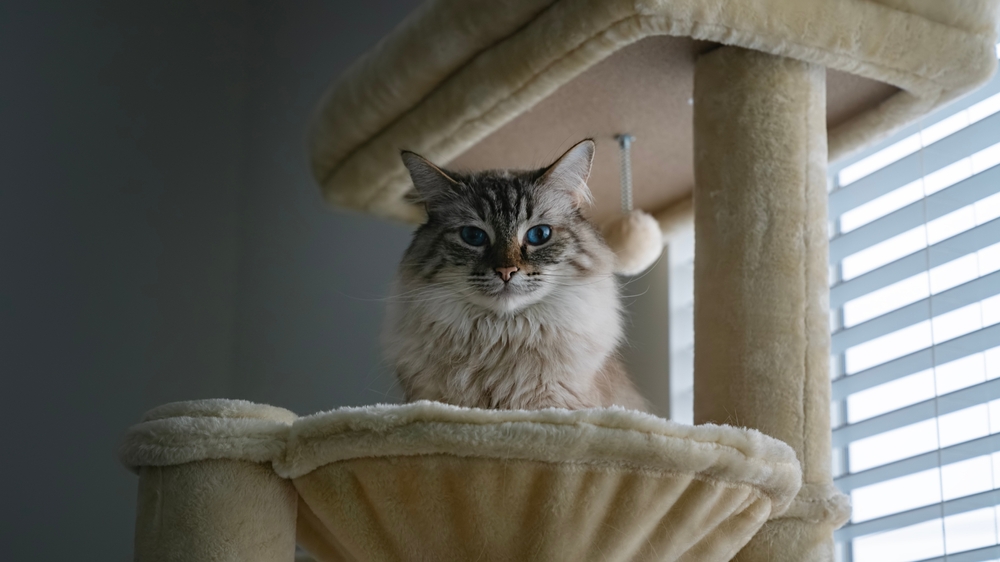
Just as the wetland began flourishing, trail cameras uncovered an alarming discovery: 44 separate cat sightings over only three weeks. Most appeared to be well-kept pet cats, many wearing collars, prowling the wetland at night. In one instance, a cat was even filmed carrying a dead bird.
Harding-Shaw said the nighttime visits leave little doubt about why the cats are there — to hunt. Even their presence alone can frighten nesting birds away from the habitat conservationists have worked so hard to rebuild.
Austin fears the newly arrived marsh crakes are especially vulnerable. Evolved to hide from aerial predators, these tiny birds rely on camouflage and stillness — defenses that offer little protection against ground-based hunters guided by scent.
For a bird barely 15 centimetres long, encountering a cat is almost certainly fatal.
Community Efforts Meet a Wider Cat Crisis
Feral cats are already a massive challenge across the Southern Alps, roaming freely through fragile ecosystems. They’ve recently been added to Predator Free 2050’s target list, opening doors for more funding to control them. But roaming pet cats near townships complicate trapping efforts, especially when traps are designed to shut off if they detect microchipped pets.
The Whakatipu Wildlife Trust is urging the Queenstown Lakes District Council to consider mandatory microchipping and desexing, along with public education campaigns encouraging owners to keep cats indoors at night.
Local teacher Emma Watts hopes awareness will come before tragedy. With paradise ducks, pukeko and possibly marsh crakes preparing to breed in the wetland, she worries about their chances if cats continue to roam.
The community, she says, loves cats — but they also love the wildlife they’ve worked so hard to bring home again. Keeping pet cats inside at night could be the difference between a conservation success story and a heartbreaking setback.
