


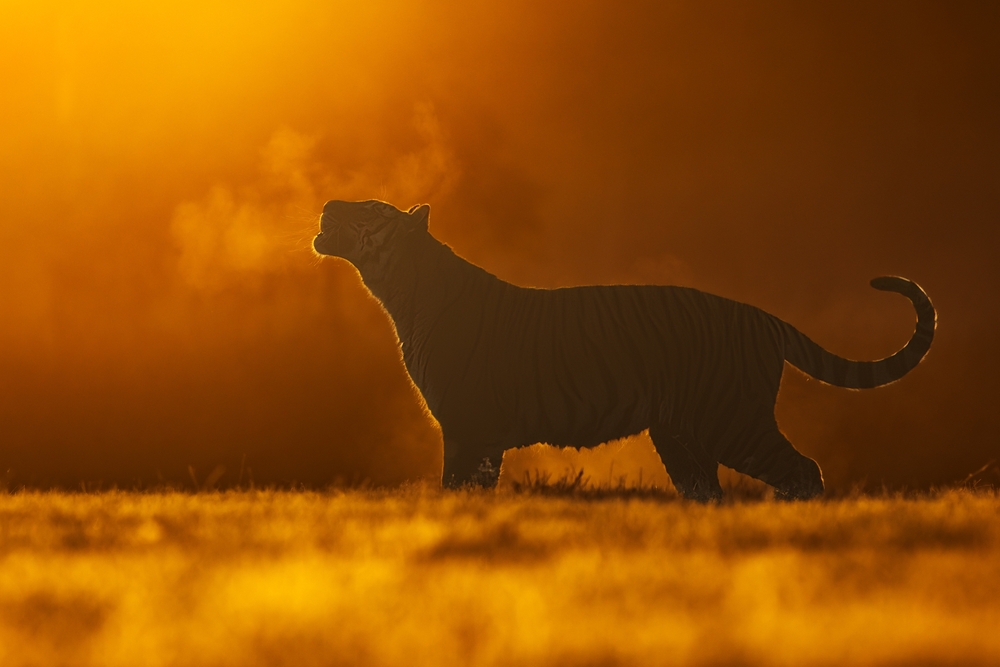
Endangered species, including tiger body parts, shark fins and pangolin scales, are being offered for sale on Facebook, an investigation has revealed.
One Chinese user posted videos showing a tiger in a cage for sale alongside pictures of tiger bones and teeth. Another posted images of two live tiger cubs in a box. A separate photo displayed a tiger head and bones piled on scales. A seller claimed he could ship his products to the UK. He offered a 10cm-long tiger tooth for 2,000 Chinese yuan (about £213) and tiger bones for 3,600 yuan per kilo (about £380).
Another seller offered shark fins and claimed he could send them from the US to the UK for $50 per kilo (around £37).
Trade in Endangered Species
The sale of endangered species such as tigers and pangolins is illegal in the UK. International trade falls under strict regulation by CITES, the Convention on International Trade in Endangered Species of Wild Fauna and Flora. More than 180 countries follow this agreement, which allows trade only when it is legal and sustainable.
Interpol recently announced results from a global crackdown on wildlife trafficking, reporting the seizure of nearly 30,000 live animals. Meta, the company behind Facebook, states it does not allow the sale of endangered species and removes such content when detected.
The UK enforces strict laws on importing protected species. Yet investigations also found British sellers offering dried seahorses. Trade in seahorses is only legal if the seller can prove the specimens were sustainably harvested, a condition almost impossible to meet. Supplying them usually breaks the Wildlife and Countryside Act 1981, punishable with fines or imprisonment.
Seahorses Sold as Medicine
One UK seller promoted dried seahorses as a tonic for new mothers and a cure for coughs. No scientific evidence supports these claims. When contacted, the northern England-based seller immediately sent photos of stock. Ordering online cost just over £60. Two days later, three packets containing 15 dried seahorses arrived. The delivery lacked documentation proving the origin but included a recipe for soup.
Experts from the Seahorse Trust examined the specimens and said the sale could only have occurred illegally. Three of the seahorses were pregnant males, which can carry up to 200 young each. Prices for seahorses have risen to the value of silver per kilo, and experts warn that rising demand could drive them to extinction.
Global Trade Threatens Wildlife
The global trade in endangered species is estimated at £17bn annually. Interpol ranks it as the fourth largest international crime after drugs, people, and arms trafficking. The pangolin, the only mammal fully covered in scales, has become the most trafficked animal on Earth and is now critically endangered. A seller in Laos offered pangolin scales for $150 per kilo on Facebook. Another user offered rhino horn through private messages.
Meta stated it does not allow the sale of endangered species and removes such material when detected. The company urges users to report content that may violate its policies.
Interpol Cracks Down on Illegal Trade
Interpol’s Operation Thunder involved 134 countries and targeted illegal wildlife trade worldwide. Authorities seized nearly 30,000 live animals and 30 tonnes of animal parts. Seizures of live animals have increased due to the growing exotic pet trade, while bushmeat markets also expand.
Kenyan authorities seized 400kg of giraffe meat during the operation, and Belgian authorities found primate meat. Over 4,000 shark fins were intercepted. In the UK, Border Force recorded a 73% rise in seizures compared to 2023, including live snakes, tarantulas, and lovebirds hidden in vehicles at the border. Populations relocating to the UK drive higher demand for exotic animals.
Organised crime heavily drives the trade, and many buyers fail to understand the harm caused. UK authorities stress that products legal elsewhere remain illegal once brought into the country.
