


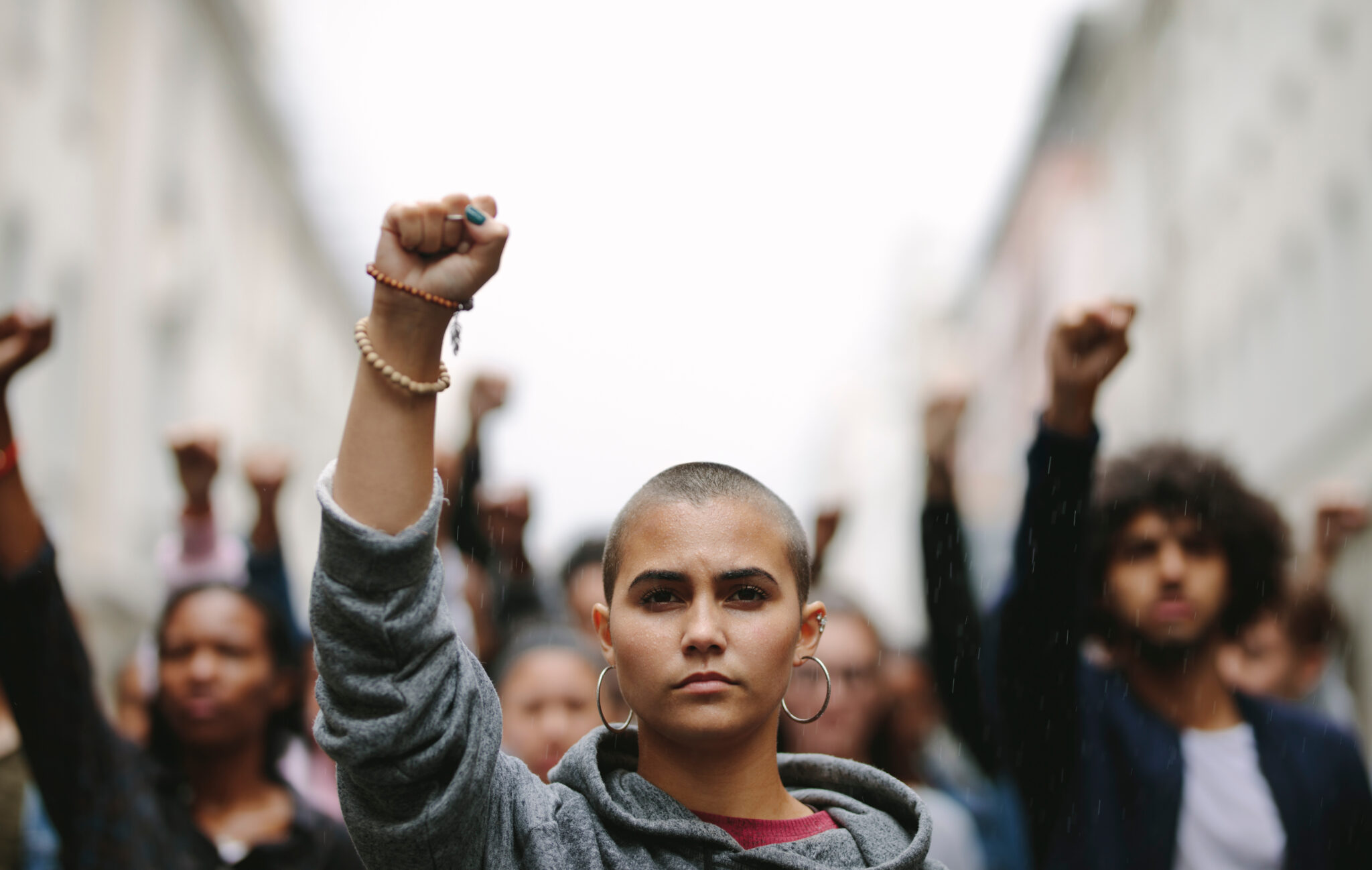
Gen Z political engagement is becoming a powerful force in American democracy. Opinion columns say younger Americans are more active in politics than past generations at the same age. This rise in youth involvement is changing how elections and public debates are shaped across the country.
One key sign of this change is higher youth voter turnout. More young people are registering and voting in local, state, and national elections. Political experts say this trend has been growing over recent election cycles. It shows that younger citizens are paying closer attention to political decisions.
Activism is also playing a major role in Gen Z political engagement. Many young Americans are joining movements focused on climate action, education reform, and social fairness. They use both street protests and online platforms to raise their voices. Social media has made it easier for them to organize and spread messages quickly.
Climate change is one of the biggest issues for this generation. Many young voters say they want stronger policies to protect the environment. They support clean energy, lower emissions, and stronger global cooperation. This focus is influencing political campaigns and policy discussions.
Election fairness is another major concern. Gen Z voters are calling for easier voting access and more transparent election systems. They support reforms that make voting simpler and more secure. This includes expanded early voting and better voter education programs.
Experts say Gen Z political engagement is also driven by digital access to information. Young people are highly connected through smartphones and social media. This allows them to follow political news in real time. It also helps them fact-check and discuss issues quickly with peers.
Schools and universities are also contributing to this trend. Civic education programs are encouraging students to understand government systems. Many campuses host debates, voter registration drives, and political discussions. This helps students build awareness early in life.
Political parties are starting to respond to this shift. Campaigns are focusing more on issues important to younger voters. These include student debt, job opportunities, housing costs, and climate policy. Candidates are also using digital platforms to reach Gen Z audiences.
Analysts say this generation is more issue-driven than party-driven. Many young voters do not strongly identify with one political party. Instead, they support candidates based on specific policies. This creates a more flexible and changing political landscape.
Some experts believe this engagement will have long-term effects. As Gen Z grows older, their voting power will increase. This could reshape future elections and policy decisions for decades.
There are also challenges in sustaining this engagement. Political fatigue and misinformation can affect participation. However, youth organizations are working to keep engagement strong through education and outreach.
Community groups and nonprofits are also helping young voters stay active. They provide resources on voting rights and civic participation. These efforts aim to make political involvement more accessible and consistent.
Overall, Gen Z political engagement is being seen as a positive force for democracy. It is increasing participation, encouraging debate, and pushing leaders to address key issues. This growing involvement is expected to continue shaping the future of American politics.
