


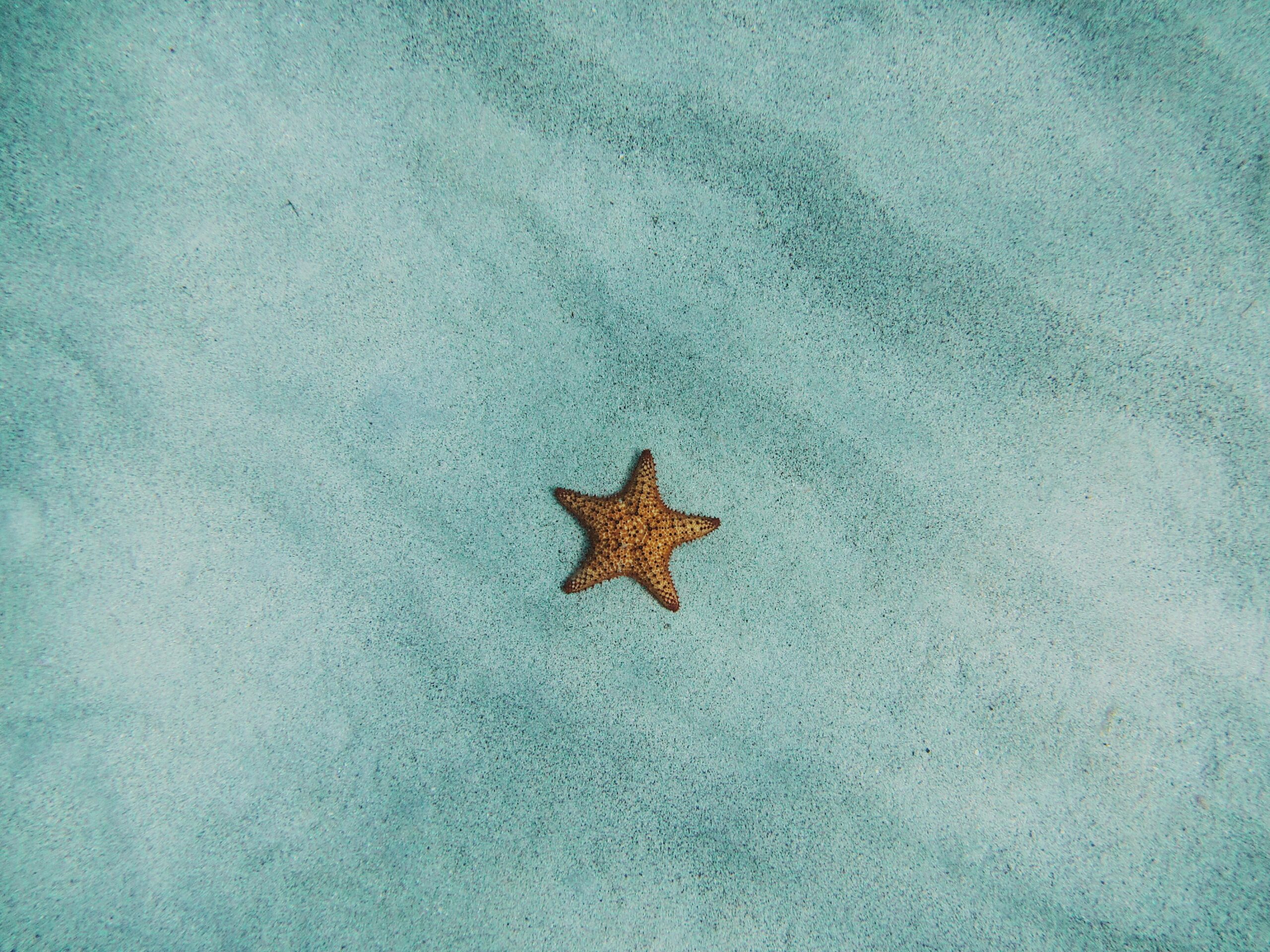
After more than a decade of devastation, scientists have finally identified the culprit behind sea star wasting disease (SSWD), the epidemic that has killed an estimated five billion sunflower sea stars along the west coast of North America. The responsible agent is the bacterium Vibrio pectenicida, researchers confirmed in a study published in Nature Ecology & Evolution.
A Disease That Ravaged Oceans
First detected in 2013, SSWD spreads quickly and causes sea stars to develop lesions before their tissues disintegrate entirely. More than 20 species have been affected, but sunflower sea stars (Pycnopodia helianthoides) — predators the size of bicycle tyres — have been hardest hit, leading to their classification as critically endangered. Their disappearance has triggered an explosion of sea urchins, voracious kelp grazers, and a consequent collapse of kelp forest ecosystems.
How Scientists Found the Culprit
Through controlled exposure experiments, genetic testing, and field data, scientists narrowed down the pathogen and confirmed Vibrio pectenicida. The breakthrough was met with elation, but researchers emphasize that it is just the beginning. With the pathogen identified, work can now focus on diagnostics, treatment, and selective breeding of resistant individuals.
What Comes Next
Captive breeding programs are under way in places like California’s Sunflower Star Laboratory, where young sea stars are being raised for eventual reintroduction. New diagnostic tools will help determine safe locations for release and prevent further spread. Researchers are also studying the connection between outbreaks and ocean warming, since Vibrio species are known to flourish in higher temperatures and have been described as “a microbial barometer of climate change.”
A Step Toward Recovery
Knowing the precise cause of SSWD allows conservationists to move from crisis response to planning long-term recovery. As Dr. Melanie Prentice of UBC put it, “It’s incredibly hard to work on solutions without knowing what the pathogen is. Getting this information makes management and recovery possible.”
Key takeaway: With the pathogen now identified, hope grows that sunflower sea stars — and the kelp forests they help protect — can eventually bounce back.
