


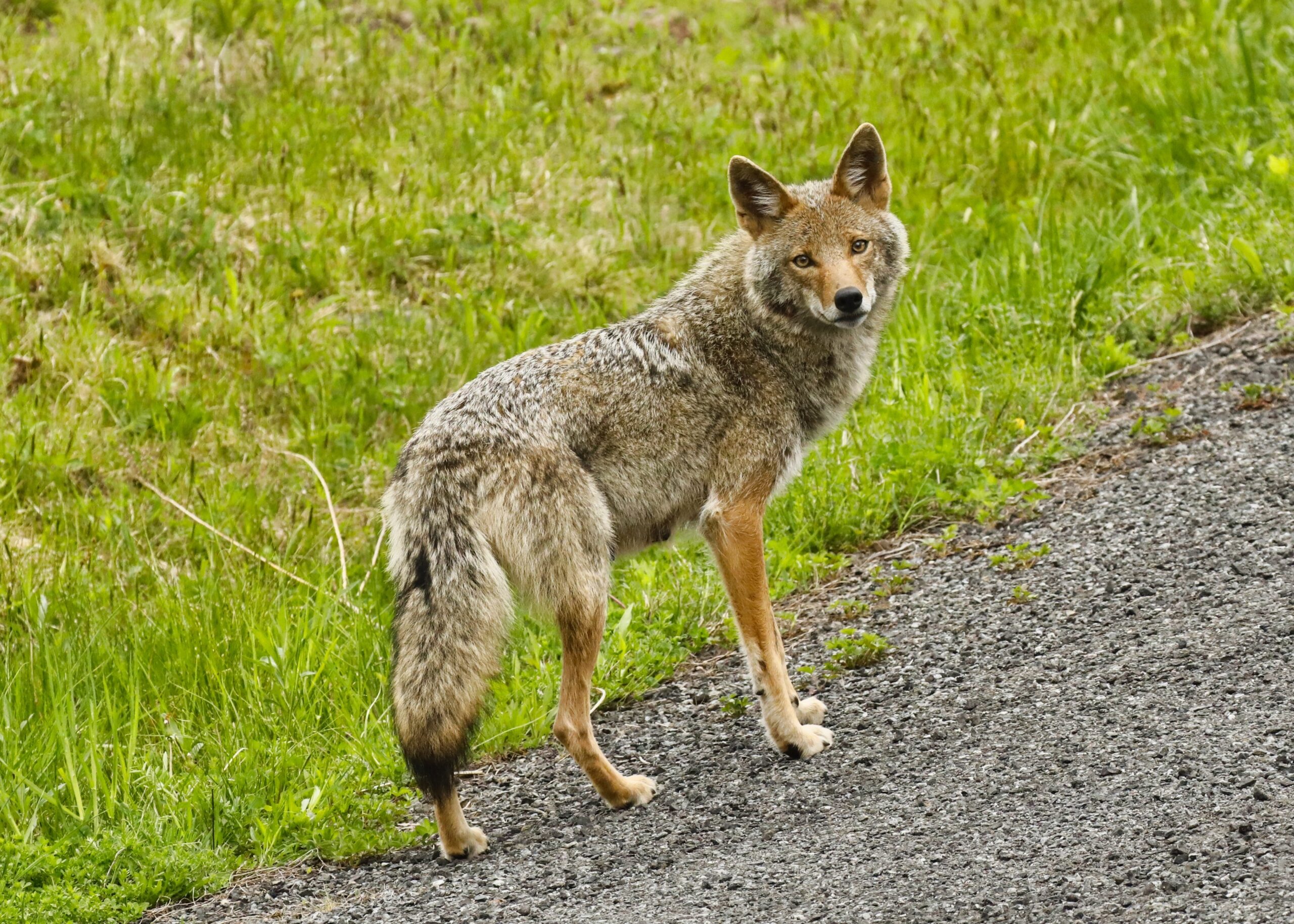
Romeo and Juliet, a pair of coyotes, have become the stars of Central Park, highlighting how wildlife is adapting to urban life across the United States. Chris St Lawrence, a naturalist and photographer, spends evenings in the park tracking the animals, capturing their movements while emphasizing safety and awareness. Alongside local photographers like David Lei and Jacqueline Emery, he aims to educate the public about coyotes, showing that the animals are not a threat when observed responsibly.
Coyotes, once limited to North America’s western regions, have expanded eastward over the last century. With fewer natural predators and more urban spaces available, they have successfully adapted to city life. In New York City, researchers estimate around 20 coyotes live in the wild, including Romeo and Juliet, who likely migrated from Westchester to Manhattan via the Bronx and railway tracks. The couple frequently roams areas like Delacorte Theater, using construction zones and quiet night routines to avoid humans.
Coexisting with Urban Wildlife
Coyotes are highly skilled at navigating city landscapes, avoiding people and dogs, and responding to environmental cues. Observers use tools like thermal monoculars to track them, witnessing playful behavior and howling, which demonstrates the animals’ adaptability. While some fear coyotes, experts emphasize that they rarely attack humans and that maintaining distance and not feeding them ensures safe coexistence.
Historically, human responses to urban coyotes have been more aggressive, such as the 1999 capture of a coyote at Central Park and the 2006 darting of a coyote named Hal, who later died before release. Today, city policies prioritize coexistence. Initiatives like WildlifeNYC educate the public, encourage keeping pets leashed, and promote safe observation practices.
Photographers and conservationists hope that Central Park can support a thriving coyote population without conflicts, balancing wildlife preservation with urban life. St Lawrence envisions a future where coyotes can live safely in the park, provided visitors respect the rules and do not interfere with the animals’ natural behaviors.
