


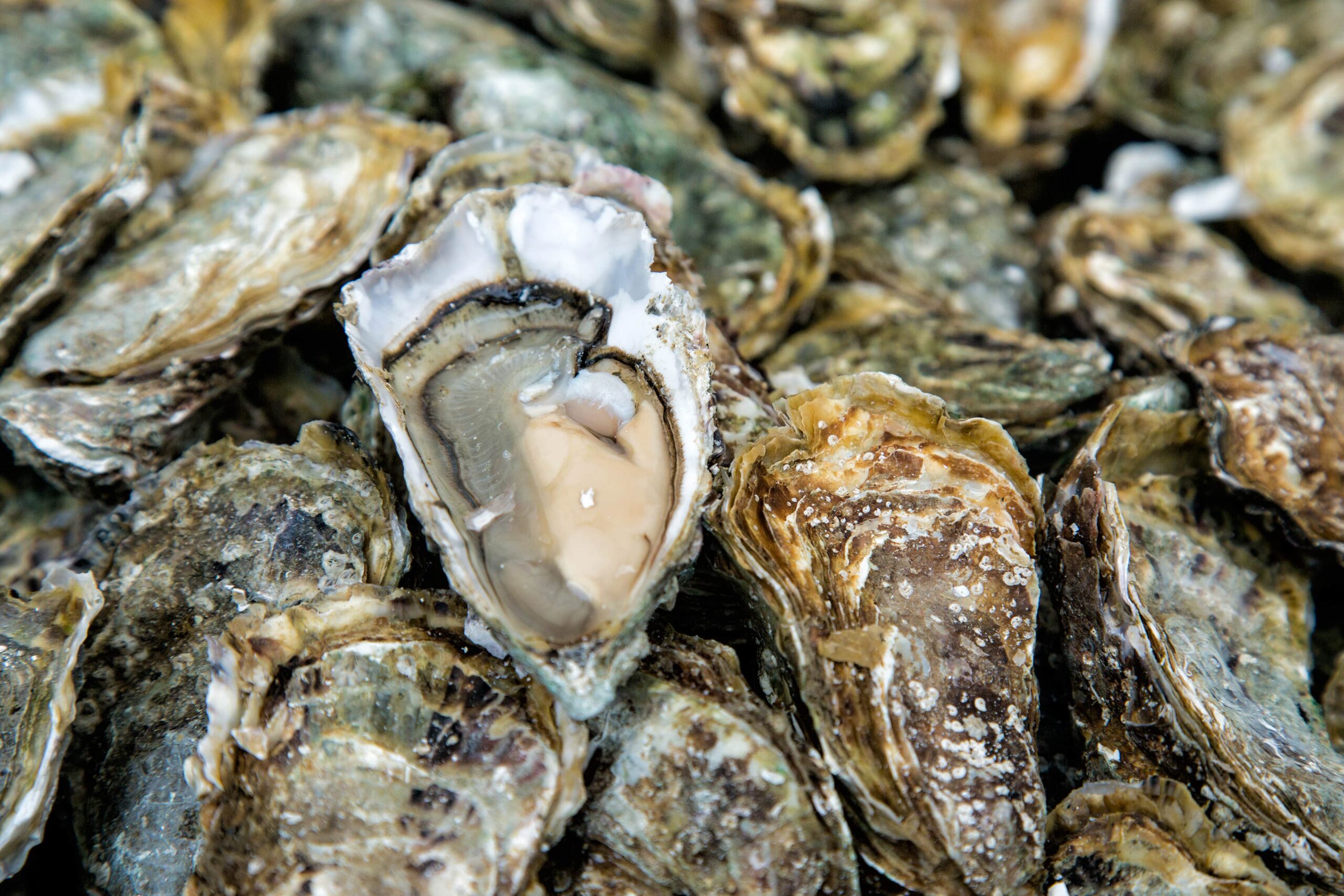
Dredging and pollution destroyed the Chesapeake Bay’s once-thriving oyster reefs. Scientists now hope careful restoration can revive them.
A Bay Once Teeming with Oysters
The Chesapeake Bay, the largest estuary in the continental United States, once bristled with oysters. Native Americans harvested them for more than 12,000 years. Archaeologists found massive piles of discarded shells in ancient trash pits. By the late 1800s, European-descended settlers harvested an estimated 600 million to 1.2 billion pounds of oysters annually. Today, wild commercial harvests total less than 5 percent of that peak.
Overharvesting, sediment pollution, sewage, and fertilizer have stressed the bay since the 1700s, a century after Jamestown’s settlement. Now, global warming, sea-level rise, and acidification threaten the remaining oysters.
The Dredging Disaster
The heaviest destruction came from dredging. Starting in the late 1800s, fishers dragged heavy metal rakes or toothed bars across the seafloor. These tools scooped massive loads of oysters at once. Dredging destroyed reefs that took generations of oysters to build.
Like coral reefs, oyster reefs provide vital habitat and nurseries for countless species. They filter enormous amounts of water and protect coastlines. For thousands of years, reefs sustained fisheries and human communities.
Learning from Fossil Clues
Conservationists have worked for decades to restore oyster populations. They collect data from successes and failures. Some scientists turn to the distant past to understand what has been lost.
Paleontologist Rowan Lockwood of the College of William & Mary examined one of the few surviving fossil reefs near Dutton, Virginia. She wanted to see what Chesapeake Bay reefs looked like before large-scale harvesting.
The reef formed 195,000 to 245,000 years ago when sea levels were higher. Today, it sits exposed in a cliff along the Piankatank River. “The oysters are all in life positions, still articulated,” Lockwood says. “They look like they died yesterday.”
She collaborated with marine biologist Roger Mann, who has monitored Chesapeake oysters for decades. Using fossil reefs and museum shell collections, they discovered that ancient oysters lived four times longer—up to 21 years—and grew twice as large, reaching ten inches across. They thrived at nearly ten times the density of modern reefs.
These giant oysters could filter the bay’s entire volume in one day. Today, oysters might take nearly a year to do the same.
What Giant Reefs Could Solve
If these giant reefs returned, they could tackle major bay problems. Nutrient-rich runoff fuels algal blooms. When algae die, bacteria consume oxygen, suffocating other species. Lockwood says oysters could turn much of this material into tissue and shell instead.
Limits of Restoration
Mann warns that full restoration is impossible. “We can’t recreate systems with 18 million people living in the watershed,” he says. “Even a few hundred years ago cannot be restored.”
Both Mann and Lockwood question large-scale release of larvae or juvenile oysters. Most larvae are likely eaten soon after release. “It’s like flushing them down the toilet,” Lockwood says.
Lockwood believes recovery is possible if dredging stops and restoration targets large adult oysters. These oysters filter more water, produce more offspring, and help reefs grow taller.
This approach requires introducing solid structures that mimic lost reefs. They protect oysters from sediment and prevent dredging. Lockwood notes that watermen rely on fishing for generations, so placement of these structures must be carefully managed.
Mann supports a less controversial method: placing empty oyster shells to attract naturally arriving larvae. Fishers accept this approach.
Progress in the Bay
Restoration projects now cover nearly 1,800 acres across ten tributaries. Mann says harvesting every three years reduces impact on early life stages. Oyster production has increased about eightfold.
Lessons Beyond Chesapeake
Restoration efforts extend far beyond Chesapeake Bay. Researchers Jessica Pruett and Rachel Smith documented over 2,250 projects for Eastern oysters and more than 200 for other species. Restoration projects surged after the 1990s.
Local conditions determine success. North of the bay’s mouth, Virginia projects have thrived for 20 years. “The site is relatively pristine with few water-quality issues,” Smith says. Placing oyster shells or tall concrete reefs increased density and size. Taller reefs also better protect shores from waves.
Some areas of Virginia’s Eastern Shore still see poor oyster settlement, even in favorable conditions.
How Oysters Choose a Home
Oyster larvae begin tiny and drift with currents. After weeks, they actively seek a settlement site. Pruett explains, “They can ‘dive bomb’ to a place and eject themselves if unsuitable.”
Future research may focus on what attracts larvae. Lighter-colored reefs might reduce heat stress from sunlight. However, Pacific oysters sometimes avoid artificial reefs, suggesting species-specific preferences.
The Broader Benefits of Reefs
Oysters preserve ecosystems and sustain fisheries. Reefs also protect coastlines from storms and floods. They may even capture some carbon from the atmosphere.
Consumers can help by choosing cage-grown oysters, which avoid dredging. Restaurants can return empty shells for restoration projects, giving larvae a substrate to settle on.
With science and careful management, oysters may again thrive, offering ecological, economic, and climate benefits. One day, the Chesapeake Bay could truly become the oyster’s oyster again.
