


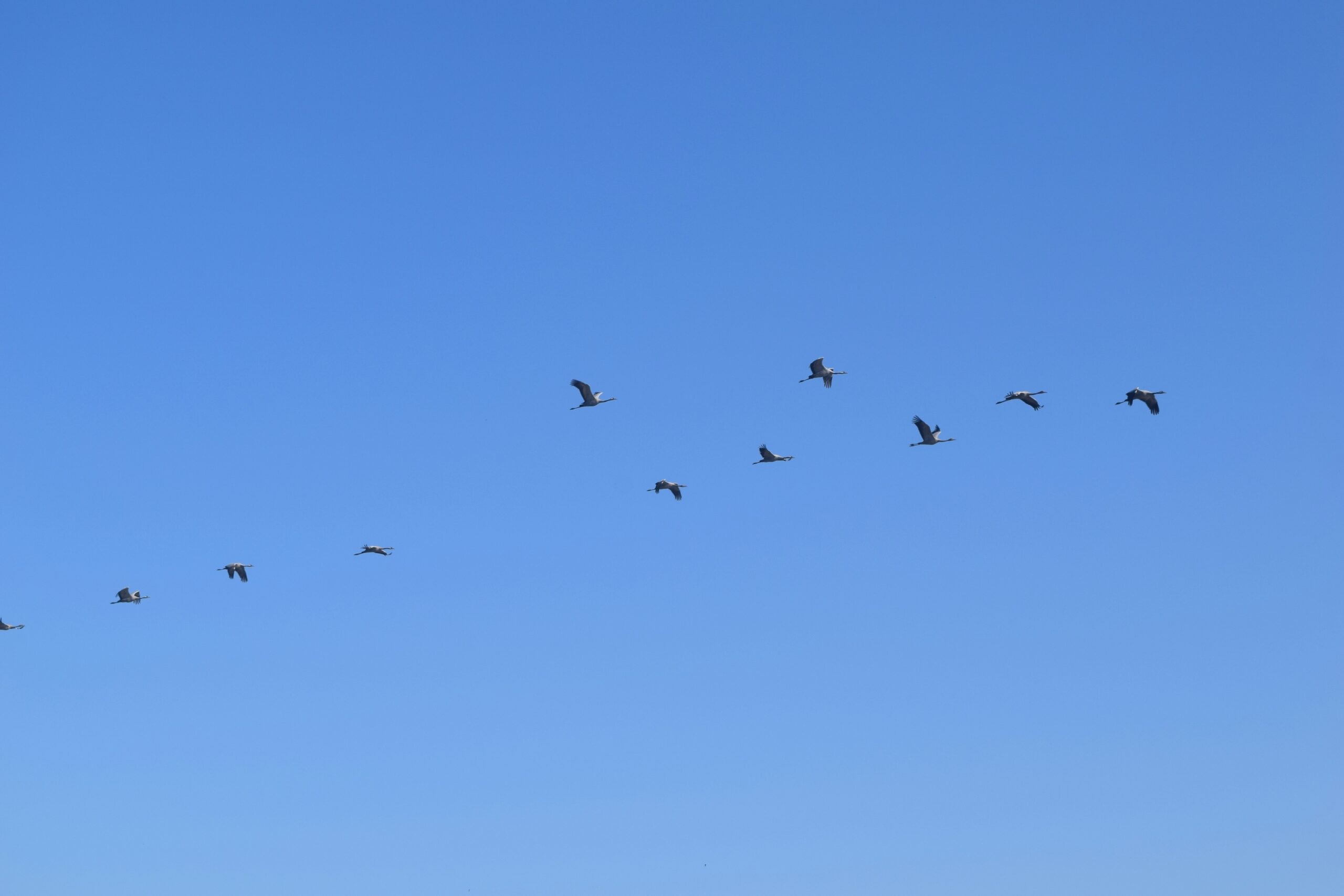
Migrating birds are moving through Colorado during late fall and winter.
Colorado Parks and Wildlife expects more wild birds infected with highly pathogenic avian influenza.
The agency issued a warning on December 10 urging residents to avoid sick wildlife.
Waterfowl and shorebirds face higher risk because they gather densely near water sources.
These large gatherings allow the virus to spread more easily.
Highly pathogenic avian influenza has affected domestic and wild birds nationwide since 2022.
Officials first detected the virus in a U.S. commercial flock that year.
By late 2022, every lower 48 state reported detections in wild or domestic birds.
The virus has affected nearly 10 million domestic birds in Colorado.
Nationwide, the virus has impacted about 127 million domestic birds.
The Colorado Department of Agriculture provided those figures.
This strain causes high mortality in birds and has no known cure or treatment.
Wildlife cases persist despite fewer poultry detections
Colorado experienced a surge in outbreaks last summer.
Officials confirmed cases in poultry, dairy cattle, and humans.
The state has not detected domestic poultry cases since March.
Wildlife detections have continued throughout the fall.
State wildlife veterinarian Peach Van Wick confirmed fewer than 20 infected birds.
Officials also confirmed infections in one black bear and one bobcat.
Van Wick said the confirmed cases likely underestimate the true number of affected animals.
She warned the virus could cause widespread bird die-offs during winter.
Infected birds may move slowly or swim in circles.
They may struggle to fly or show poor coordination.
Some birds may appear with swollen heads or tilted necks.
Many infected birds may die suddenly.
Parks and Wildlife will test sick or dead birds when appropriate.
The agency prioritizes testing during large die-offs in new areas.
Officials ask the public to report three or more sick or dead birds nearby.
Public urged to avoid wildlife and protect pets
Wild mammals infected with this virus show similar neurological symptoms.
These animals may circle, stagger, or appear unusually lethargic.
These symptoms resemble rabies, which poses serious public health risks.
Parks and Wildlife warns people to never approach abnormal wildlife.
Officials urge residents to report unusual animal behavior immediately.
The virus can spread to domestic animals, including poultry, livestock, and pets.
Officials advise keeping pets away from sick or dead wildlife.
Pet owners should contact a veterinarian if exposure seems possible.
Human infections remain extremely rare but possible.
Officials urge people to never handle sick or dead wild birds.
They also advise keeping distance from all wildlife.
Parks and Wildlife advises hunters to use protective gear.
Hunters should disinfect equipment thoroughly after use.
They should keep carcasses away from pets and domestic poultry.
Hunters must cook game meat to an internal temperature of 165 degrees.
