


Almost 3,000 species of animals, plants, fungi and lichens in Wales are at serious risk of disappearing, according to a new report by Natural Resources Wales (NRW).
The Species in Peril report found that 2,955 terrestrial and freshwater species are now restricted to five locations or fewer, with 1,262 confined to a single site. Since 2000, at least 11 species have already been lost in Wales, including the turtle dove and the belted beauty moth.
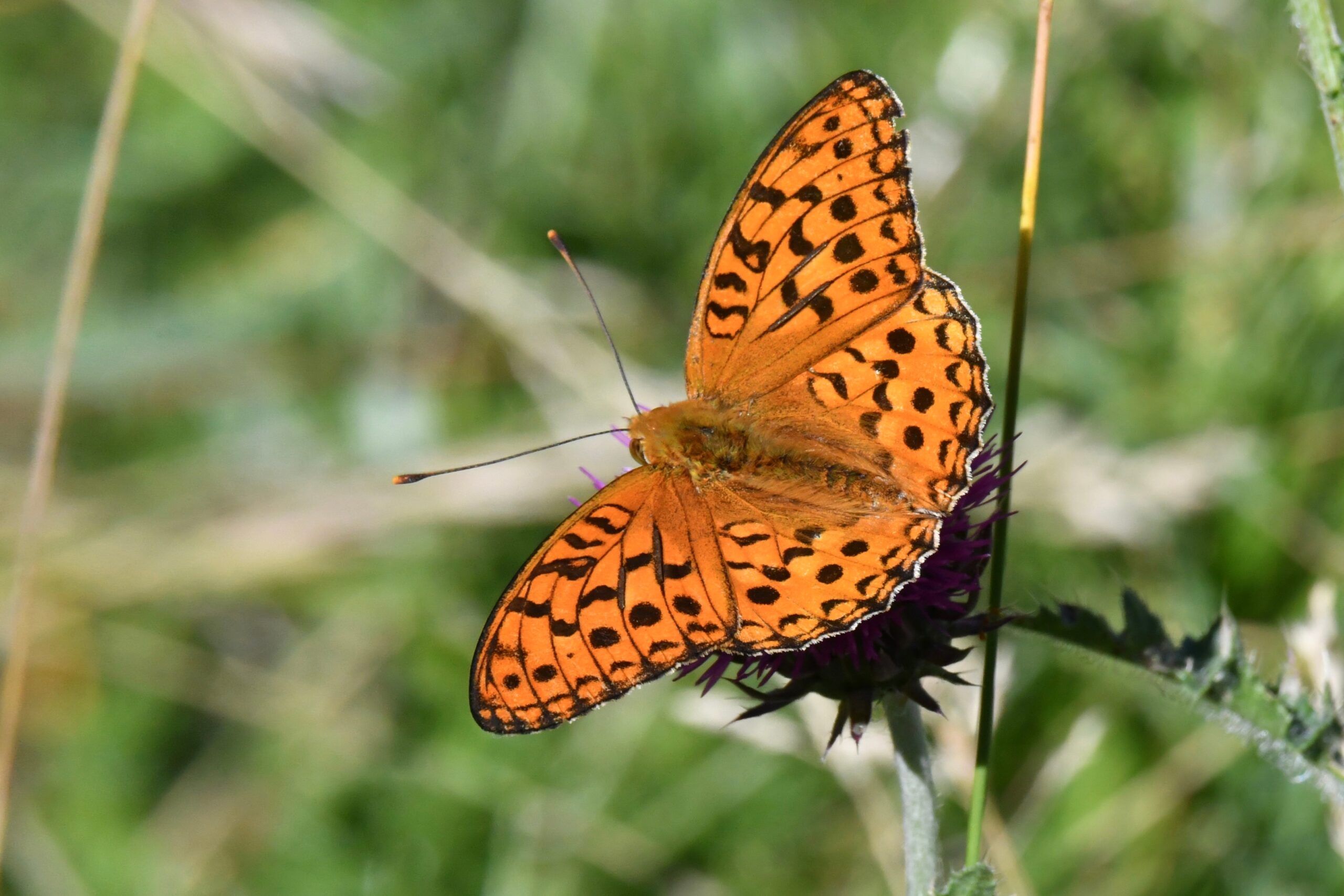
Species at risk include well-known wildlife such as black grouse, the high brown fritillary butterfly and the natterjack toad. Threatened mammals include rare bats like Bechstein’s bat and highly localised species such as the Skomer vole. The report lists 25 bird species, five fish, six mammals, one amphibian, more than 2,000 invertebrates, 309 fungi and 321 lichens.
Scientists say climate change and intensive farming are major pressures, while locally restricted species are also harmed by woodland mismanagement, water level changes in peatlands and pollution of rivers and ponds. Woodland and scrub habitats were identified as the most important ecosystems for threatened species.
Despite the seriousness of the situation, the report says many species could be saved through relatively low-cost measures, such as better habitat management, scrub clearance and controlled grazing. Successful examples include using goats to protect rare plants in Powys and conservation hotspots like Newborough Forest on Anglesey.
NRW and the Welsh government said strong protections already exist and that targeted conservation work, new biodiversity programmes and proposed environmental legislation aim to halt further losses.
