


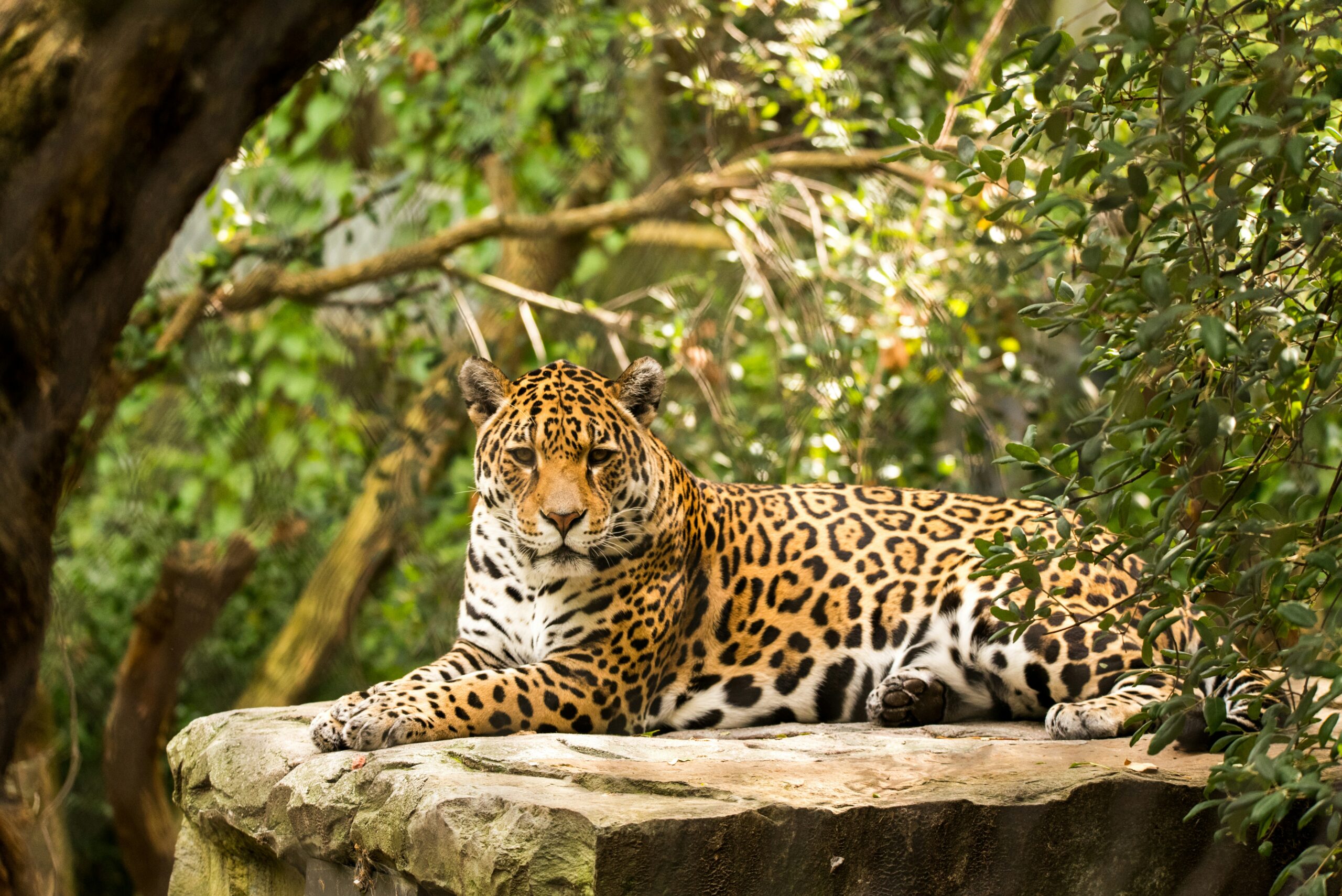
Mexico’s jaguar population has increased by 30% over the past 14 years, according to a new census, offering a rare success story in wildlife conservation.
In 2010, researchers from the National Alliance for Jaguar Conservation (ANCJ) estimated there were roughly 1,000 jaguars in Mexico. A country-wide census that year revealed a far more optimistic number: 4,100. Now, the latest 2024 survey has recorded 5,326 jaguars, marking a significant rebound.
“This is extraordinary,” said Gerardo Ceballos, one of the lead researchers. “Mexico and the world need good news.”
The census, the largest ever conducted for any mammal in Mexico, covered 414,000 hectares across 15 states over 90 days, using 920 motion-sensor cameras and involving nearly 50 researchers along with local community leaders. Jaguars were most numerous in the Yucatán Peninsula (1,699), followed by the south Pacific region (1,541), north-east and central Mexico (813), north Pacific (733), and central Pacific coast (540).
Ceballos attributes the population growth to three main factors: maintaining protected natural areas, reducing conflicts between cattle ranchers and jaguars, and raising public awareness about the species through national campaigns. “Before, the jaguar was virtually unknown,” Ceballos noted. “Now it is one of the most well-known species in Mexico.”
Despite this progress, significant challenges remain. Deforestation continues at an alarming rate, with Mexico losing 600,000 hectares of forest and jungle in the last six years, including 60,000 hectares annually in the Yucatán Peninsula alone. Infrastructure projects like new highways fragment habitats and increase the risk of vehicle collisions. Illegal trade of jaguar body parts and the spread of diseases from domestic animals also pose threats.
Currently, at the existing growth rate, jaguars in Mexico may not be considered out of danger for 25 to 30 years, but Ceballos and his team aim to accelerate this timeline to 15 years with continued conservation efforts.
“We are winning a battle in a war that is being lost,” Ceballos said. “But it is a very important battle. It gives us hope that if we articulate the right policies, we can achieve great results.”
The success underscores the importance of government support, private sector involvement, scientific research, and community engagement in protecting endangered species and ensuring that jaguars can continue to thrive in Mexico’s remaining forests.
