


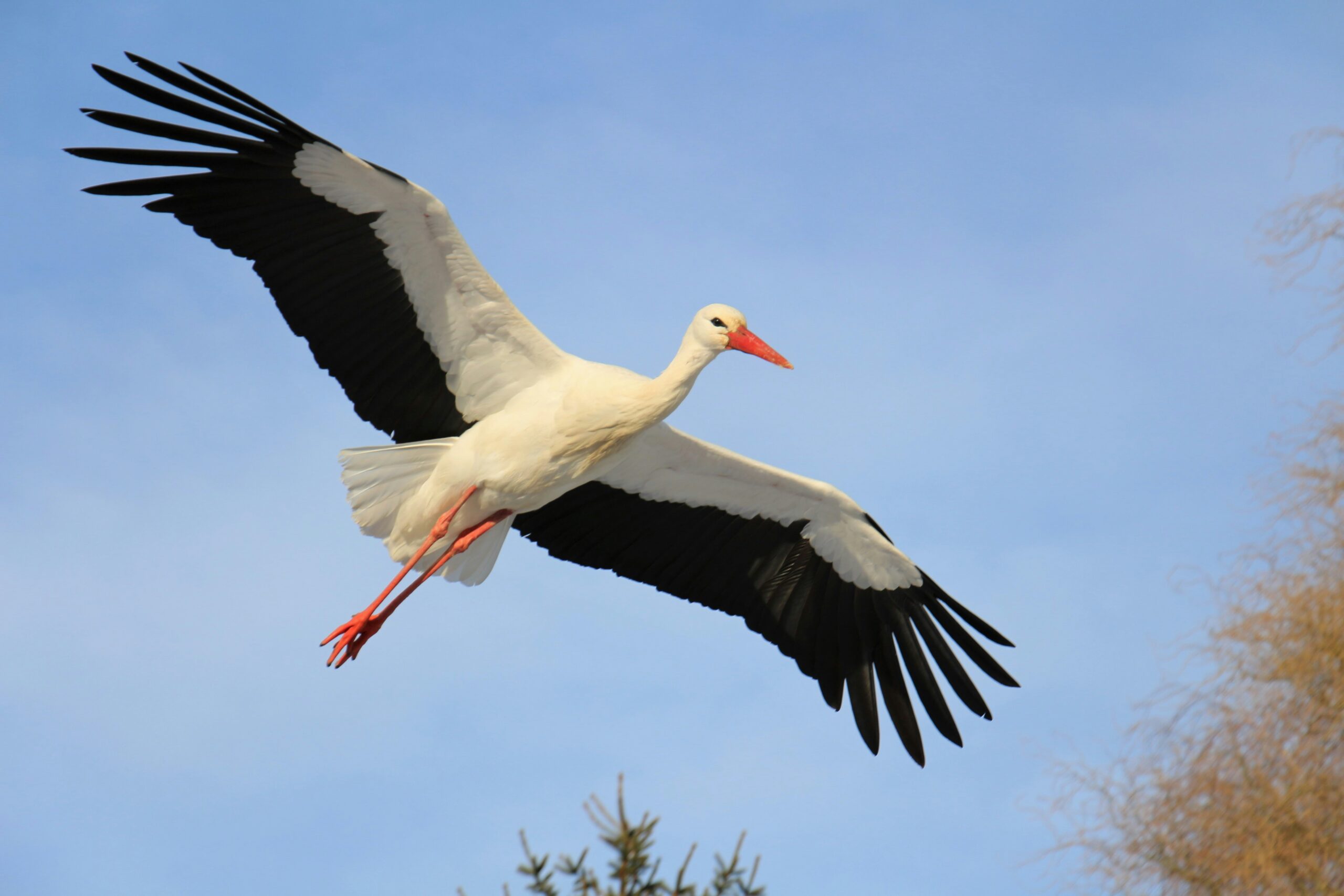
Efforts to reintroduce wild white storks to Britain have taken a major step forward after Cotswold Wildlife Park in Oxfordshire reported its most successful breeding season yet. The park reared 48 chicks this year, the highest number since the programme began eight years ago.
The initiative is part of the White Stork Project, which aims to restore a wild, breeding population of white storks across southern England. Once a common sight in British skies, white storks disappeared as a breeding species in the 1400s due to habitat loss and hunting.
Cotswold Wildlife Park established a breeding group in 2016 after importing 50 storks from Warsaw Zoo. According to Jamie Craig, the park’s curator, storks begin pairing and showing breeding behaviours in late winter, a period when keepers play a crucial role. “Keepers observe the birds to ensure nests are completed safely and that eggs are laid without incident,” he explained.
After about 35 days, chicks hatch, and the keepers act as a “fairy godmother” to both the adults and hatchlings, ensuring their health and safety. Once strong enough, the young storks are transferred to Sussex, where they are fitted with trackers before release.
“So far, over 200 young storks have been transferred to Sussex for release,” Craig said. “Many have successfully crossed the Channel, following traditional migration routes through Europe into Africa.”
White storks do not return to their nesting grounds until they mature at around four years old. Conservationists are hopeful that some of the Cotswold-born storks will return to England in the coming years, eventually establishing a permanent breeding population once again.
This record breeding season represents a significant milestone for the White Stork Project and underscores the potential for successful reintroduction of a species that vanished from the UK centuries ago.
