


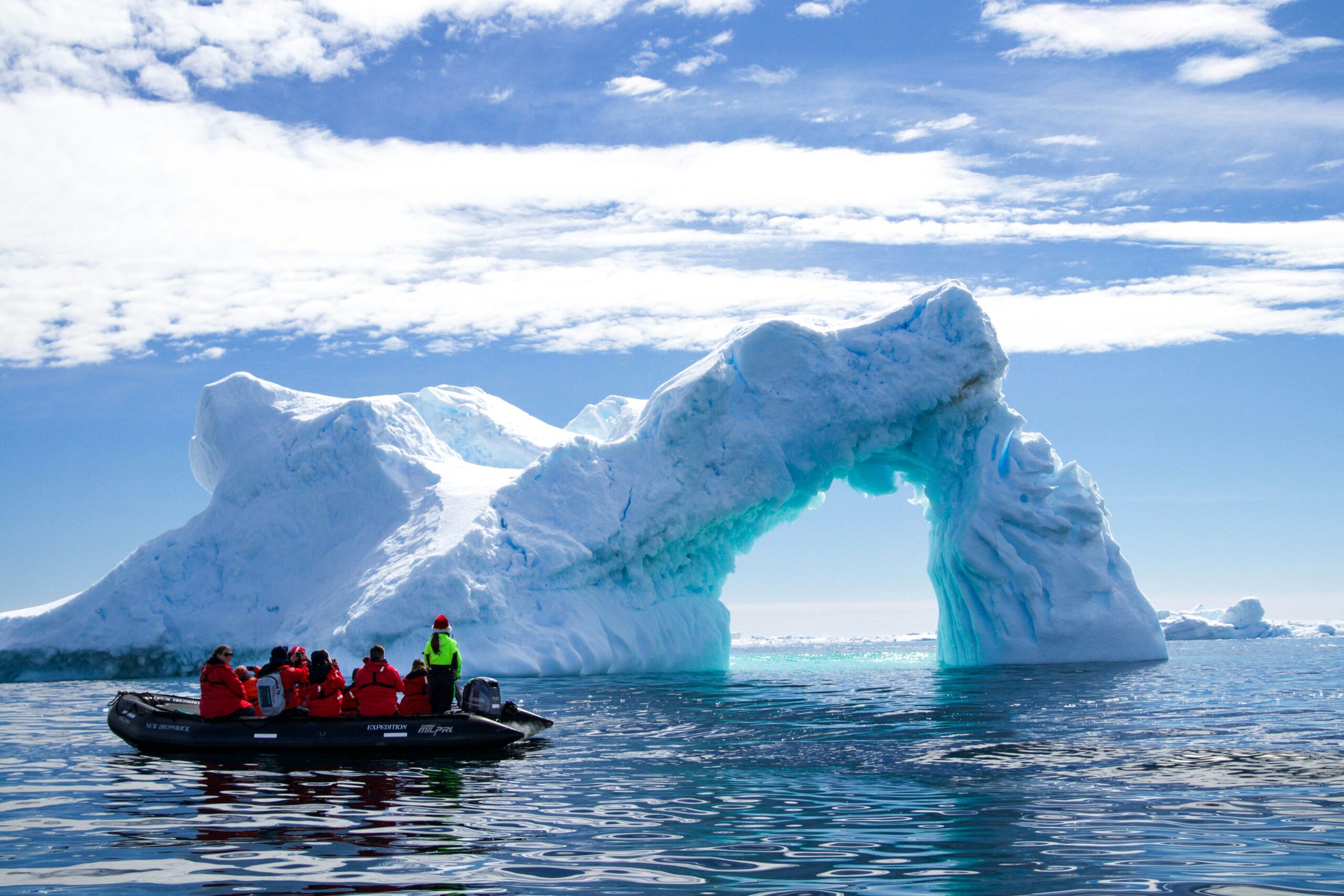
Antarctica, long considered Earth’s last untouched wilderness, is facing growing pressures from tourism and scientific activity. Visitor numbers have jumped from fewer than 8,000 annually in the 1990s to over 124,000 in 2023–24, with projections suggesting up to 450,000 by 2034. In one season, 55 tour operators carried out nearly 570 voyages, with more than 80,000 people setting foot on the continent. Despite IAATO guidelines limiting shore landings and enforcing biosecurity checks, each tourist trip generates an average of 5.44 tonnes of CO₂, and the cumulative effect of visitors is leaving a tangible mark on the environment.
Pollution, Melting Snow, and Ecosystem Threats
A four-year study spanning 2,000 kilometres of Antarctica found that concentrations of toxic metals like nickel, copper, and lead are now ten times higher in areas with human activity than they were 40 years ago. Beyond chemical contamination, tourism disturbs wildlife, damages fragile flora, and increases the risk of invasive species and disease. Black carbon from ships, aircraft, and diesel generators darkens snow, accelerating melting—one tourist can contribute to melting about 100 tons of snow. Scientific expeditions, relying on heavy vehicles and long-term camps, can have up to ten times the impact of a single tourist. While measures such as hybrid ships and coordinated landings exist, experts say only rapid transitions to renewable energy and significant reductions in fossil fuel use can truly mitigate the damage and protect Antarctica’s fragile ecosystems.
