


The world’s oceans have crossed a key planetary threshold for the first time, with rising acidity driven by fossil fuel burning threatening marine life, according to the Potsdam Institute for Climate Impact Research.
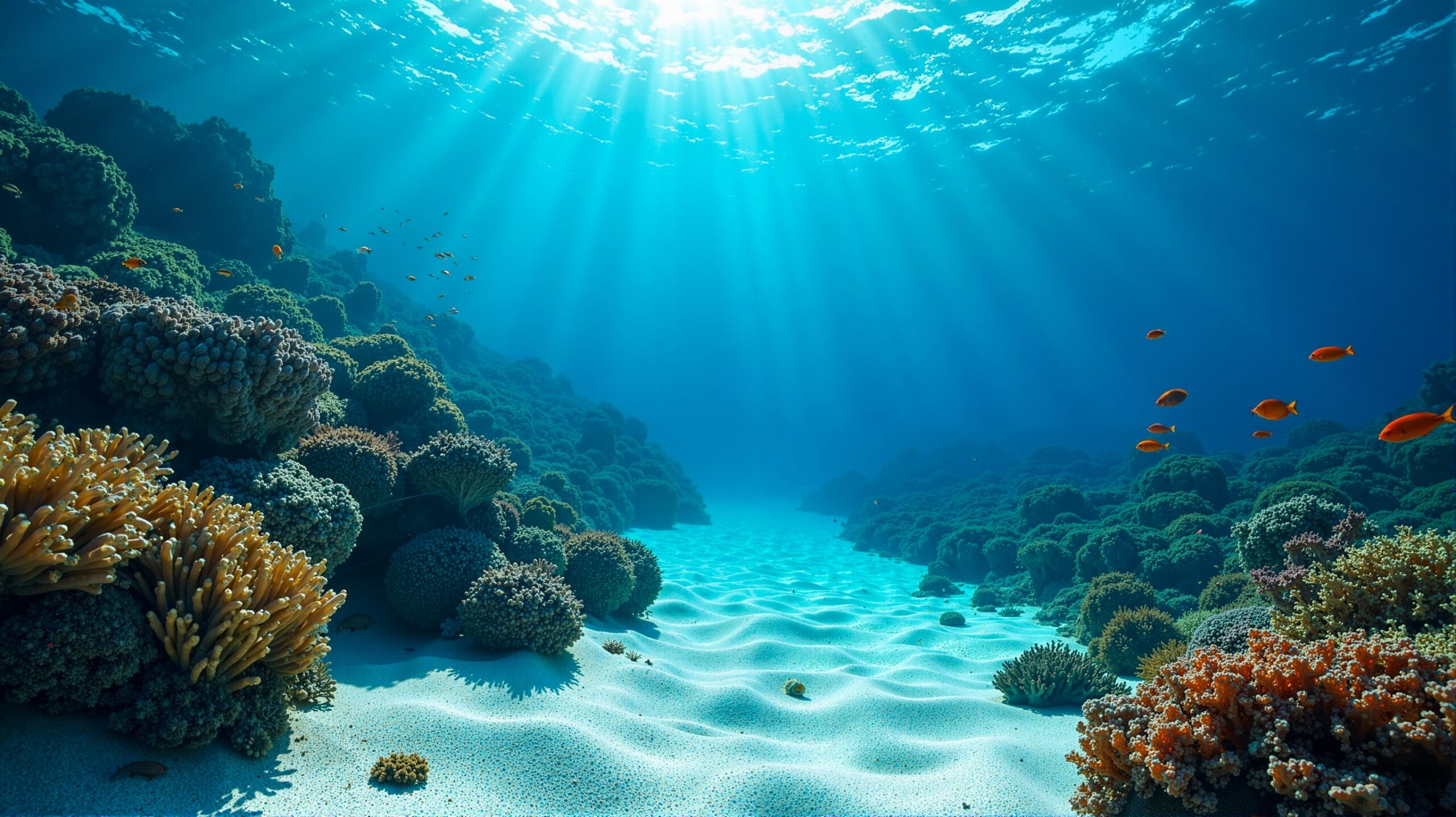
The 2025 Planetary Health Check shows ocean surface pH has dropped by 0.1 units since the industrial era, a 30-40% increase in acidity. This change disrupts ecosystems that rely on calcium carbonate, endangering coral reefs, Arctic marine life, oysters and molluscs, while indirectly affecting salmon, whales and other species higher up the food chain.
Scientists warn this development risks weakening the oceans’ ability to absorb heat and capture 25-30% of global carbon emissions, undermining one of Earth’s most vital stabilising systems. Oceans cover 71% of the planet’s surface and act as a climate buffer, but record heat and mass coral bleaching have already revealed their vulnerability.
Seven of nine planetary boundaries are now breached, including climate change, biosphere integrity and freshwater use. Levke Caesar of the Planetary Boundaries Science Lab described the findings as “really scary” and urged immediate cuts to fossil fuels, tighter pollution control and better fisheries management.
While the outlook is dire, scientists highlight past successes, such as the Montreal protocol’s protection of the ozone layer, as proof that international cooperation can reverse global damage. Johan Rockström, the institute’s director, stressed: “Failure is not inevitable; failure is a choice. A choice that must and can be avoided.”
