


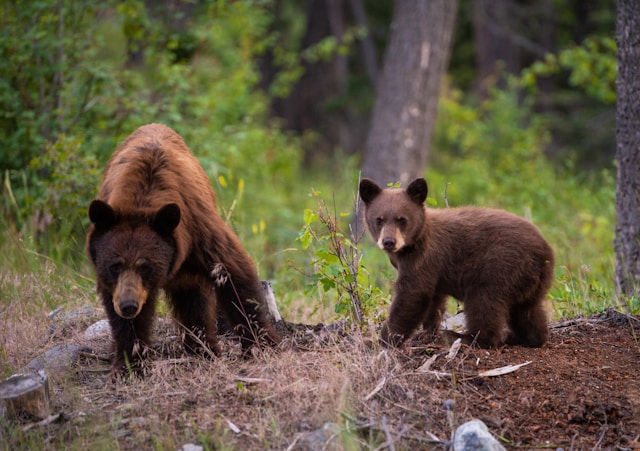
Successful Return for Orphaned Cubs
Twelve black bear cubs have been released into the wild across North Carolina after months of rehabilitation under the supervision of the North Carolina Wildlife Resources Commission (NCWRC). The cubs—eight from the mountains and four from the coastal region—were returned to their natural habitats this fall as part of the state’s long-running effort to help orphaned bears survive independently. The release program, which began in the 1970s, gives rescued cubs a second chance at life in the wild.
Rehabilitation and Monitoring Efforts
The cubs were cared for by licensed wildlife rehabilitators, including teams from the North Carolina Zoo and Appalachian Wildlife Refuge. During their months of care, human interaction was kept to a minimum to preserve natural behavior, while their diets were tailored to mimic wild foraging. Before release, some cubs were fitted with GPS tracking collars so wildlife officials can monitor their progress and survival. Releases were timed for early autumn when acorns and berries are abundant, providing the young bears with ample food as they adjust to life on their own.
Public Encouraged to Avoid Interfering with Cubs
Wildlife officials remind residents that seeing a cub alone does not necessarily mean it is orphaned. In most cases, the mother is nearby searching for food. The NCWRC advises the public not to touch, feed, or attempt to capture bear cubs and instead to contact wildlife authorities if they believe an animal is in distress. The agency continues to promote education on how humans and bears can coexist safely across the state.
