


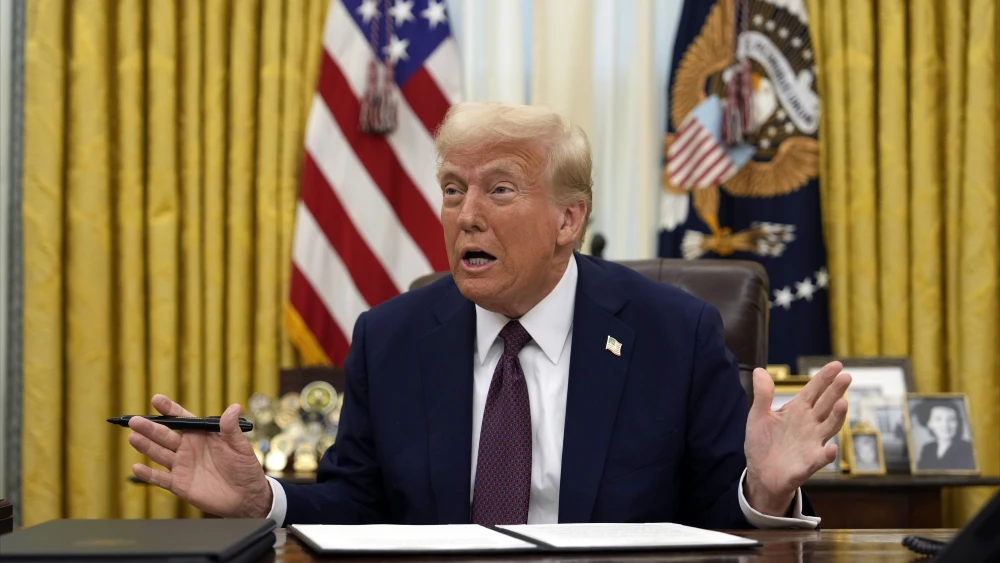
President Trump has signed an executive order aimed at improving access to single-family homes for ordinary Americans. The measure seeks to limit purchases of residential properties by large Wall Street firms, which real estate leaders say could make homeownership more accessible.
The order addresses concerns that institutional investors have been buying large numbers of single-family homes, often outbidding individual buyers. Critics argue that these purchases drive up home prices and reduce availability for first-time buyers and families.
Real estate experts say the executive order could create a fairer playing field in the housing market. By reducing competition from large investment firms, individual buyers may have better chances of securing properties at reasonable prices.
The initiative targets major Wall Street firms and private equity companies that acquire homes primarily for rental income or resale. Officials say these practices have contributed to rising housing costs in key U.S. markets, making it more difficult for ordinary Americans to purchase homes.
Industry analysts note that the order could also affect the rental market. Some investors have purchased homes to convert them into rental units, which has increased demand and pushed up rental prices. Limiting these purchases could help balance supply and demand in both sales and rental markets.
Homebuyer advocacy groups welcomed the move. They argue that the order supports long-term homeownership goals and helps stabilize local housing markets. Access to affordable housing has become a growing concern in many urban and suburban areas.
Critics, however, caution that the measure may have limited impact if enforcement is weak. They suggest that broader policy measures, including increased housing supply and financing support for first-time buyers, are also necessary to address affordability challenges.
The order aligns with recent trends in government efforts to support homeownership. Policies that encourage individual buyers, such as down payment assistance programs and mortgage incentives, complement initiatives like this executive order. Together, they aim to strengthen opportunities for people looking to buy their first home.
Analysts expect the order to influence housing market behavior, particularly in areas with high investment activity. Large firms may shift strategies or reduce the number of properties they acquire, opening more opportunities for individual buyers.
Financial experts also note that the move could increase confidence among prospective homebuyers. Knowing that institutional competition may be limited could encourage more people to enter the market and pursue homeownership.
Some investors may adjust their portfolios in response. Firms that focus on single-family acquisitions could shift to other property types or regions. Market observers say these changes are likely to be gradual but could contribute to long-term market balance.
The Trump homebuyer executive order reflects a broader policy goal of promoting economic stability and supporting families. By focusing on accessibility and fairness in the housing market, officials hope to create conditions that allow more Americans to achieve homeownership.
Real estate leaders say that monitoring the order’s implementation will be crucial. Transparent rules, effective enforcement, and ongoing assessment of market trends will determine the measure’s success in helping regular buyers.
The order also underscores growing attention to housing inequality. Policymakers are increasingly concerned about the impact of large-scale institutional investment on housing affordability, particularly for first-time buyers and middle-income families.
As the measure takes effect, prospective buyers and industry observers will be watching closely. Early signs suggest that the executive order could influence market dynamics, creating a more accessible environment for those seeking single-family homes.
Overall, the Trump homebuyer executive order represents a significant step toward curbing institutional competition and promoting broader access to homeownership. Its success will depend on enforcement and complementary policies that address the underlying housing supply and affordability challenges across the United States.
