


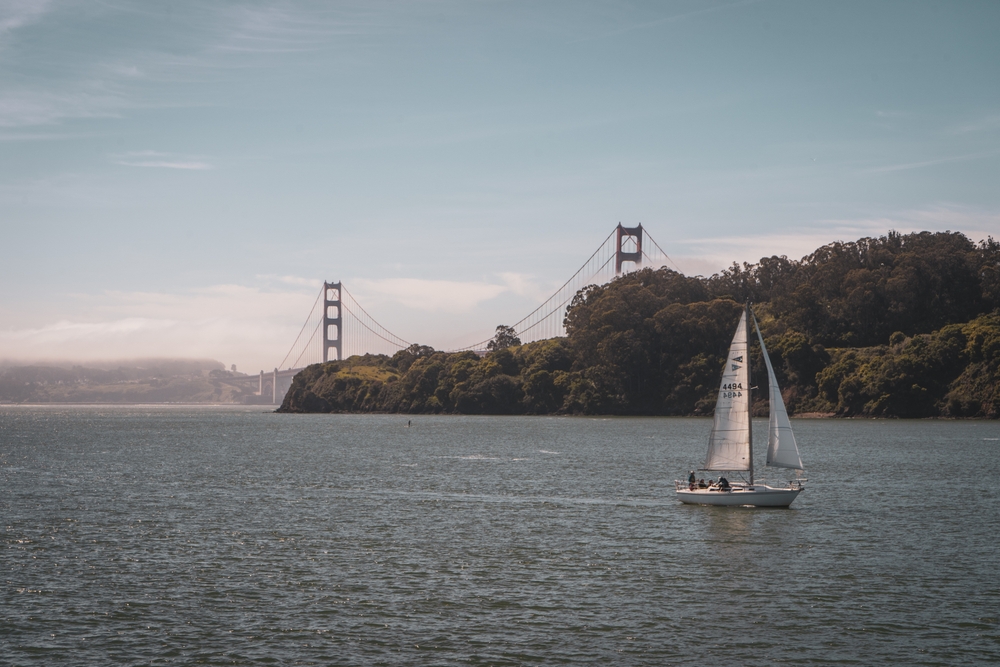
Workers restore 435 acres of former salt ponds in Mountain View into tidal marshes and public hiking trails.
The $20 million project, scheduled to finish by December, marks another step in the 15,100-acre South Bay restoration effort.
State and federal agencies, along with environmental groups, convert former industrial ponds into habitats for ducks, shorebirds, fish, and marine life.
Cargill Salt sold the lands in 2003 for $100 million, launching the West Coast’s largest wetland restoration initiative.
Restoration aims to return the bay to conditions lost after 85% of wetlands disappeared between 1850 and the 1970s.
Marshes filter water, absorb wave energy, reduce flooding, and provide productive wildlife habitat, explains Dave Halsing, project manager.
Engineering Nature Back
The Mountain View site, Pond A2W, once served as a giant salt-evaporation basin nearly the size of 329 football fields.
Crews brought in 180,000 cubic yards of dirt over three years and strengthened levees between 2 and 5 feet deep.
Contractors built five floating islands to provide safe resting and nesting areas for birds.
Workers constructed two 100-foot bridges along the pond’s eastern edge as part of a 1.2-mile public trail.
Crews plan to breach levees in four locations to restore tidal flows, bringing sediment, fish, and plant seeds into the pond.
Over time, the pond will shallow, and marsh plants will naturally grow, following patterns seen at nearby Ravenswood.
Protecting Communities and Wildlife
Restoration projects sparked some city concerns about flooding risks, prompting permits and careful planning.
Mountain View installed rip-rap along the southern edge, connecting the pond to Shoreline Park and protecting former landfill areas.
Crews created a sloped ecotone on the southern levee, providing flood protection and habitat for wildlife.
Save the Bay plants native vegetation in the ecotone to help birds and other animals adapt to rising sea levels.
David Lewis of Save the Bay says projects cannot fully return the area to its original state but make the bay healthier and safer.
