


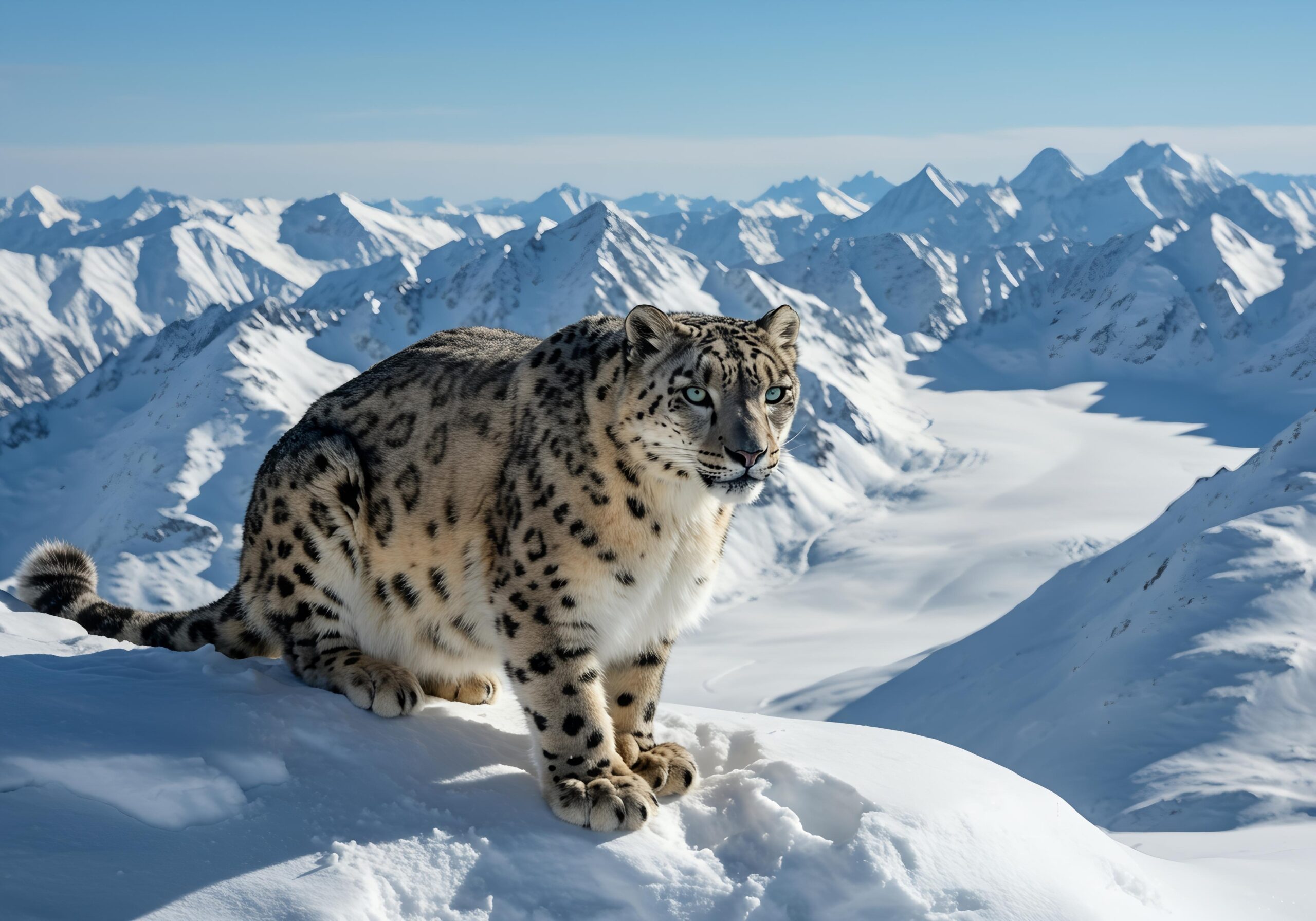
New research reveals snow leopards uniquely target prey twice their size or more, unlike other big cats. Using 12 years of GPS data from Mongolia’s Tost Mountains, scientists found snow leopards prefer prime-aged male Siberian ibex. These ibex, over five years old, are heavier with bigger horns but less agile, making them easier targets despite their size. The steep, rocky terrain where snow leopards and ibex live plays a key role. Snow leopards ambush from above, chasing ibex downhill. Large body size and heavy horns help ibex escape on flat ground but slow them down on mountainsides, tipping the balance in the leopards’ favor.
Implications for Conservation
This unique predator-prey relationship highlights the need to monitor ibex population structure, not just total numbers. Researchers stress counting the age and sex categories of ibex to understand how many prime males snow leopards consume. Such data can guide sustainable hunting policies and conservation strategies. The study shows that snow leopard survival depends not only on prey quantity but also on the right mix of ages and sexes in ibex populations, altering traditional conservation approaches.## Snow Leopards Hunt Large Ibex in Mongolia’s Mountains
New research shows snow leopards uniquely target prey twice their size or more, unlike other big cats. Using 12 years of GPS data in Mongolia’s Tost Mountains, scientists found snow leopards prefer prime-aged male Siberian ibex. These ibex are heavier and less agile due to larger bodies and bigger horns. In steep, rocky terrain, snow leopards ambush prey from above, chasing them downhill. While large size helps ibex on flat ground, it slows them on slopes, giving snow leopards an advantage.
Conservation Implications and Population Monitoring
This predator-prey dynamic means conservation must track ibex age and sex structure, not just total numbers. Researchers stress the importance of counting prime-aged males, vital prey for snow leopards. Understanding this balance can guide sustainable hunting and protect snow leopard populations. The study highlights that snow leopard survival depends on prey quality, not just quantity, changing how conservation plans are made.
