


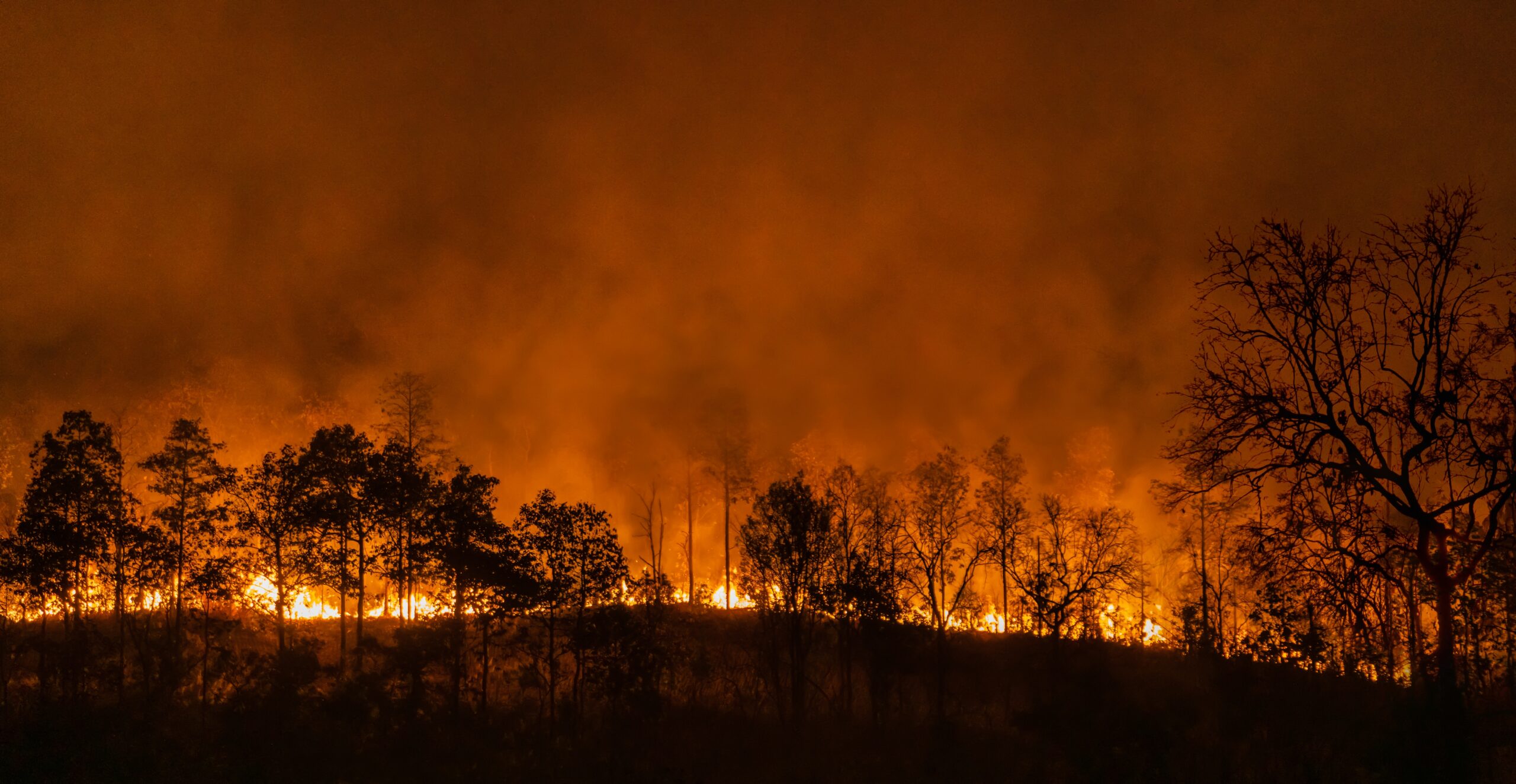
As bushfires continue to scorch large parts of Victoria, wildlife rescuers say they are being blocked from helping injured animals, sparking anger and frustration among volunteers who claim their expertise is being ignored when it is needed most.
Volunteers Say They’re Being Kept Away
More than 400,000 hectares have burned across the state this month, destroying hundreds of buildings and claiming the life of cattle farmer Max Hobson. While the full impact on wildlife is still unknown, Victoria’s Department of Energy, Environment and Climate Action (DEECA) says it has deployed specialist teams to assess and treat injured animals.
Wildlife volunteers argue that effort is not enough. Nikki Sutterby, president of the Australian Society for Kangaroos, says trained rescuers who have long supported fire responses are now being shut out. She points to the aftermath of the 2009 Black Saturday fires, when hundreds of volunteers were allowed into firegrounds and saved thousands of animals.
“Since 2020 they’ve started locking us out,” she said, adding that the situation escalated this year around Harcourt, where authorities allegedly encouraged residents to report rescuers to police. Ms Sutterby warned that past restrictions had dire consequences, citing government data from 2020 that showed hundreds of kangaroos euthanised and very few animals taken into care.
‘Animals Are Dying in Agony’
Ms Sutterby described the suffering wildlife face when fires tear through bushland. Kangaroos often burn their feet while fleeing flames, leaving them unable to escape or find water. Many die slowly from dehydration, while joeys are left orphaned and unable to survive on their own.
“This is why we need to be there,” she said. “There are animals suffering terribly, and without intervention they’re left to die.”
Wildlife photographer and conservationist Paul Hilton echoed those concerns, saying he encountered hostility while trying to document the aftermath of fires to raise funds for animal shelters. He said DEECA staff ordered him to leave when he attempted to photograph a dead koala, describing the situation as a “press blackout”.
The following day, Mr Hilton said he was stopped by police in Yea after multiple complaints were allegedly made about him. “I felt like a criminal,” he said, adding that he was warned not to take photos or video and told to leave the area.
Growing Concerns Over Transparency
Tensions intensified after a Vic Emergency newsletter urged residents in parts of Ravenswood South and Fogartys Gap Road to report wildlife rescuers to police, citing claims of unauthorised access, including reports of firearms. The message instructed people to call triple-0 and provide descriptions and vehicle registration details.
Sue Arnold, coordinator of Australians for Animals, said the restrictions point to a wider problem. She claimed the Victorian government is preventing images of injured wildlife from being shared internationally and alleged that animal shelters must seek DEECA approval before posting photos on social media.
DEECA has rejected suggestions it is failing to act, saying multiple accredited wildlife assessment teams have been deployed across affected firegrounds, including Harcourt and Mount Alexander Regional Park. But for volunteers and conservationists on the ground, the question remains why experienced rescuers are being kept away while wildlife continues to suffer in the ashes.
