


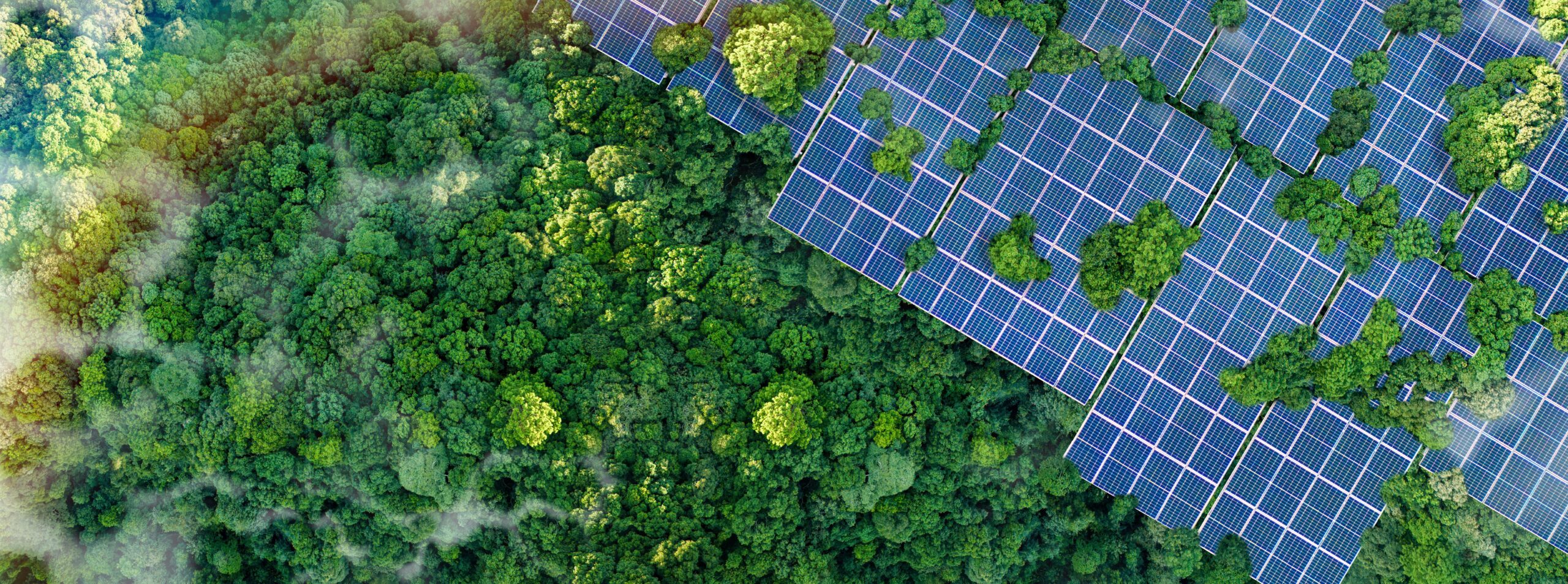
Renewable energy overtook coal as the leading source of global electricity in the first half of this year. The independent energy think tank Ember confirmed this historic milestone in its latest report. Electricity demand continues to grow worldwide, but the rapid rise of solar and wind energy met 100% of the extra demand. This growth even caused a small decline in coal and gas use. However, Ember notes that the global picture remains uneven.
Developing countries drive the clean energy surge
Emerging economies, especially China, powered the clean energy boom. In contrast, richer nations such as the United States and members of the European Union relied more on fossil fuels for power generation. Coal, one of the biggest drivers of global warming, still held the position of the world’s largest single energy source in 2024. It has maintained that title for over 50 years, according to the International Energy Agency.
China continues to lead the world in renewable energy expansion. The country installed more solar and wind capacity than all other nations combined. This growth allowed China to outpace its rising electricity demand and cut fossil fuel generation by 2%. India followed a similar path, expanding its solar and wind capacity while reducing coal and gas use.
Wealthy nations fall behind in clean energy progress
The picture looks different in wealthier regions. In the United States, electricity demand rose faster than renewable output, increasing dependence on fossil fuels. In the European Union, weak wind and hydropower conditions caused a temporary rise in coal and gas generation.
A crucial turning point for global power
Despite regional differences, Ember calls this moment a “crucial turning point.” Senior analyst Malgorzata Wiatros-Motyka said the world is entering a phase where clean energy keeps pace with growing electricity demand. Solar power contributed the majority of growth, meeting 83% of the rise in global demand. For the third consecutive year, solar energy has been the top source of new electricity worldwide.
More than half of solar generation now comes from lower-income countries. Many of these nations have experienced explosive growth, fueled by dramatic cost reductions. Solar prices have fallen by 99.9% since 1975. This drop makes it possible for entire solar markets to emerge within a single year, especially where grid power remains costly or unreliable.
Solar boom reshapes developing regions
Pakistan imported solar panels capable of generating 17 gigawatts of power in 2024. That figure doubled from the previous year and equaled roughly a third of the country’s total electricity capacity.
Africa is also seeing a solar surge, with panel imports up 60% in the year to June. Coal-heavy South Africa led this expansion. Nigeria moved ahead of Egypt into second place, reaching 1.7 gigawatts of solar generation — enough to power about 1.8 million European homes.
Smaller African nations are growing even faster. Algeria boosted solar imports 33-fold, while Zambia’s rose eightfold and Botswana’s sevenfold.
Rapid solar growth brings new challenges
In some nations, the speed of solar adoption creates unexpected side effects. In Afghanistan, widespread use of solar-powered water pumps lowers the water table. Researchers warn that some areas could run dry within five to ten years, threatening millions of livelihoods.
Sun belt and wind belt nations face different paths
Adair Turner, chair of the UK’s Energy Transitions Commission, says energy challenges vary across regions. Sun belt countries — including much of Asia, Africa, and Latin America — need huge amounts of power for air conditioning during the day. These countries can cut costs quickly with solar systems supported by affordable batteries that store energy overnight.
Wind belt countries like the UK face steeper challenges. Wind turbine prices have not fallen nearly as much as solar costs, dropping only about one-third over the past decade. High interest rates have raised borrowing costs, making wind farms significantly more expensive to build and operate.
Balancing electricity supply is also harder in colder climates. Winter wind lulls can last for weeks, demanding backup power sources that batteries alone cannot provide. This makes energy systems costlier and more complex.
China dominates the global clean tech race
Wherever you look, China’s dominance in clean technology remains unchallenged. New data from Ember shows that in August 2025, China’s clean tech exports reached a record $20 billion. Sales of electric vehicles rose 26%, while battery exports grew 23%. Combined, these industries now exceed twice the value of China’s solar panel exports.
