


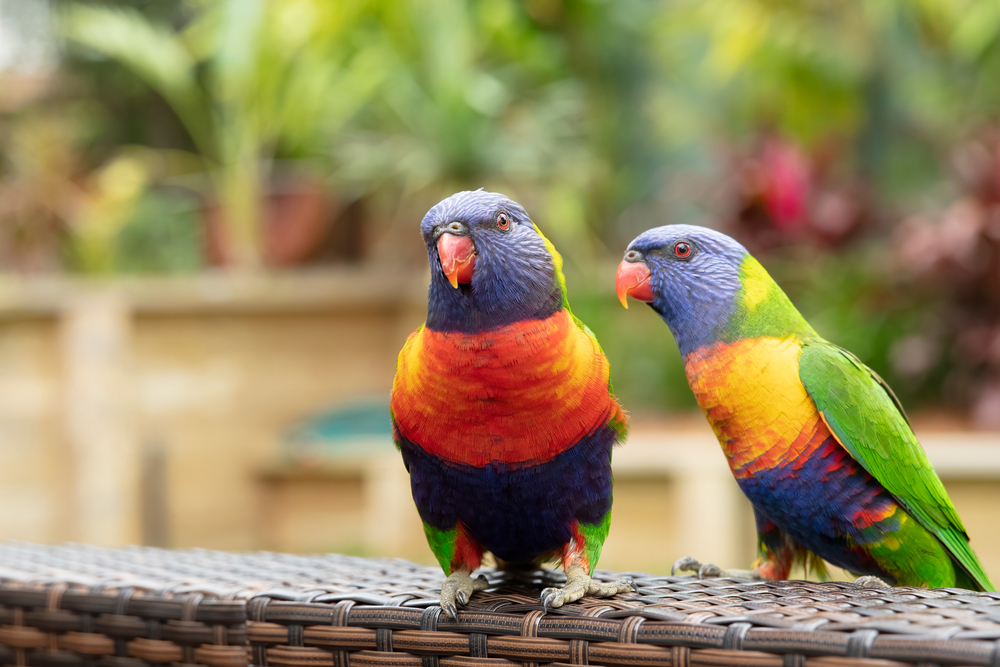
Conservationists urge stronger rules as reptiles, birds, and other animals appear increasingly for sale online and on social media.
The CITES conference in Samarkand, Uzbekistan, will consider proposals to restrict or ban trade in several species this week.
Officials aim to protect iguanas, African tortoises, Latin American tarantulas, vipers, geckos, and sloths from illegal capture and commerce.
Internet and Social Media Drive Demand
Traders use online marketplaces to sell live animals directly to buyers worldwide, bypassing traditional pet shops.
Social media influencers promote exotic pets, increasing demand and encouraging illegal acquisitions, experts warn.
Studies show 60% of traded animals are reptiles, 30% birds, and over 10% amphibians, many exported to Europe, Asia, and the U.S.
CITES permitting rules fail when authorities do not verify captive-bred claims, allowing traffickers to launder wild-caught animals.
Conservation Proposals and Controversy
CITES approved a commercial ban on West Africa’s Home’s Hinged-back Tortoise and two Ethiopian vipers but rejected rattlesnake proposals.
Ecuador seeks to ban Galápagos iguana trade, citing illegal capture and black-market prices up to $25,000 per animal.
Pet trade groups argue some regulations, like tarantula listings, overreach and could disrupt responsible captive breeding programs.
Reports show the U.S. imports about 90 million live exotic animals annually, contributing significantly to global wildlife exploitation.
Experts warn that illegal trade threatens biodiversity and pushes species toward extinction unless stricter enforcement occurs.
