


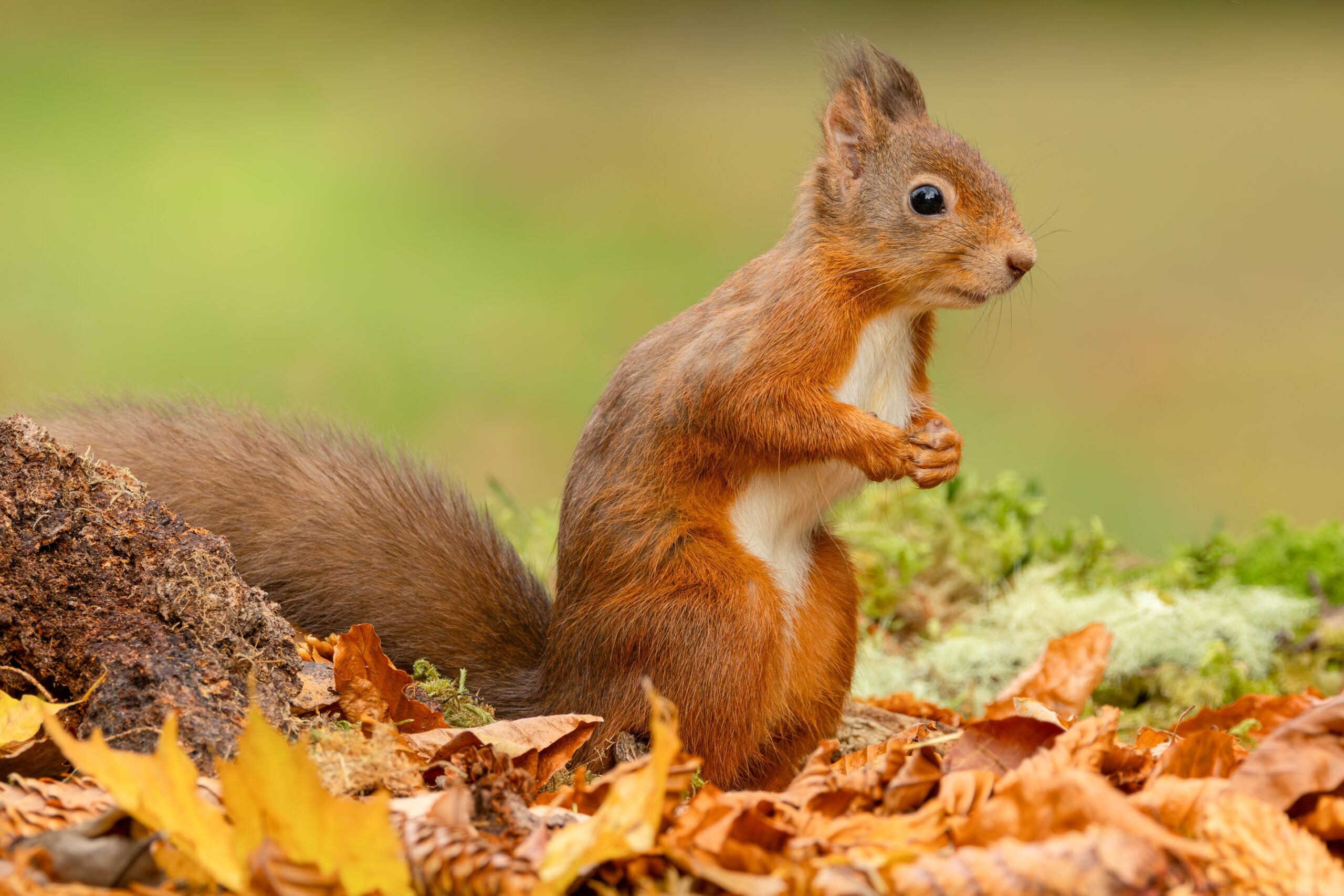
Red squirrels on the Isle of Wight are flourishing, with enough food and suitable habitat to support a population that could almost double, a new study finds. Researchers using climate models assessed how the population would respond to changes such as temperature shifts and low rainfall, finding no direct threat to their survival and noting “a natural ability to adapt to a range of climatic conditions.”
Analysis of fur samples revealed two genetically distinct sub-populations on the island, one in the east and one in the west, with early signs of mixing that support genetic diversity and future population health. The Isle of Wight is home to an estimated 3,500 red squirrels, the largest remaining population of the species in southern England, largely thanks to its geographical separation by the Solent from mainland England, where invasive grey squirrels have caused dramatic declines.
Conservationists stress the importance of continued monitoring due to potential risks from limited genetic diversity. Helen Butler, founder of the Wight Squirrel Project, highlighted their ecological and local economic value, noting that red squirrels attract visitors to the island. Volunteers like Debbie Hart shared how residents have become familiar with the squirrels’ habits, observing preferences such as red grapes over green.
Dr Emilie Hardouin, a conservation geneticist at Bournemouth University, said that with current genetic and forestry data, efforts can focus on enhancing corridors to help the two red squirrel groups integrate and thrive.
