


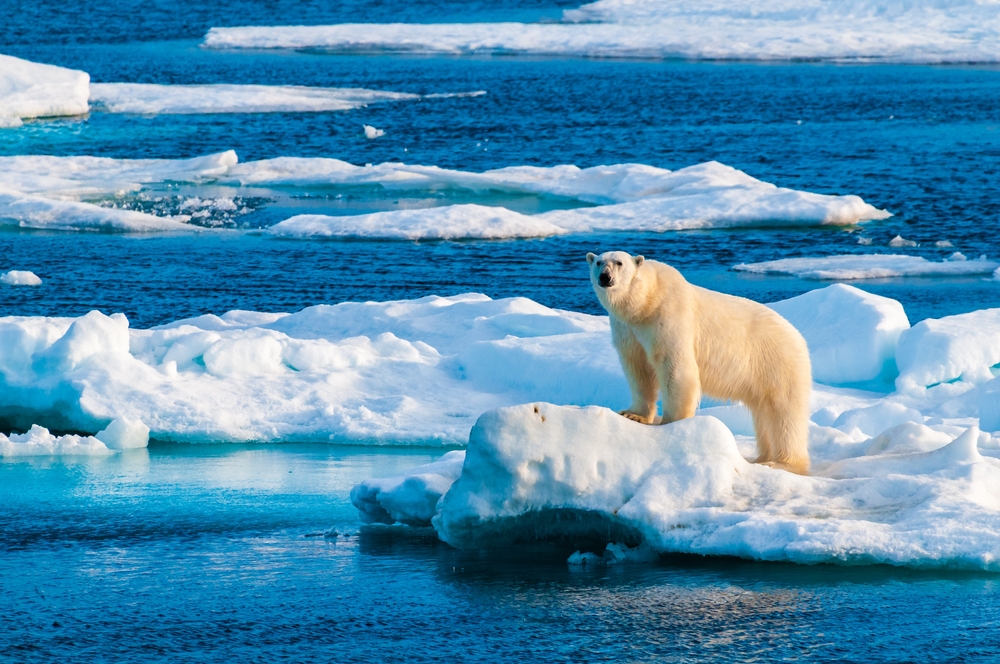
New research suggests polar bears could be changing their DNA to adapt to rising temperatures. Scientists at the University of East Anglia found that some genes linked to heat-stress, ageing, and metabolism behave differently in bears living in southeastern Greenland. These changes indicate the animals might adjust to warmer conditions over time.
Genetic clues offer hope for polar bears
Lead researcher Dr Alice Godden, from UEA’s School of Biological Sciences, said the discoveries provide hope for polar bears. She explained the findings might serve as a vital “genetic blueprint” to guide conservation efforts. Despite these signs of adaptation, she stressed that global action to limit temperature rises remains crucial.
Polar bears face severe threats by 2050
The U.S. government granted polar bears protective status under the Endangered Species Act in 2008. Dr Godden warned that two-thirds of the species could vanish by 2050. She added, “As the rest of the species faces extinction, these bears provide a genetic blueprint for how polar bears might adapt quickly to climate change.” Their unique DNA should become a central focus of conservation programs.
Changing diets and melting ice challenge survival
Polar bears rely on fatty, seal-based diets, which may become scarce as sea ice platforms melt. The study found DNA changes in genes linked to fat processing. These adaptations could help southeastern Greenland bears survive on plant-based diets when food becomes limited. Dr Godden noted that these changes likely emerged in the last 200 years, showing the species’ rapid response to environmental stress.
