


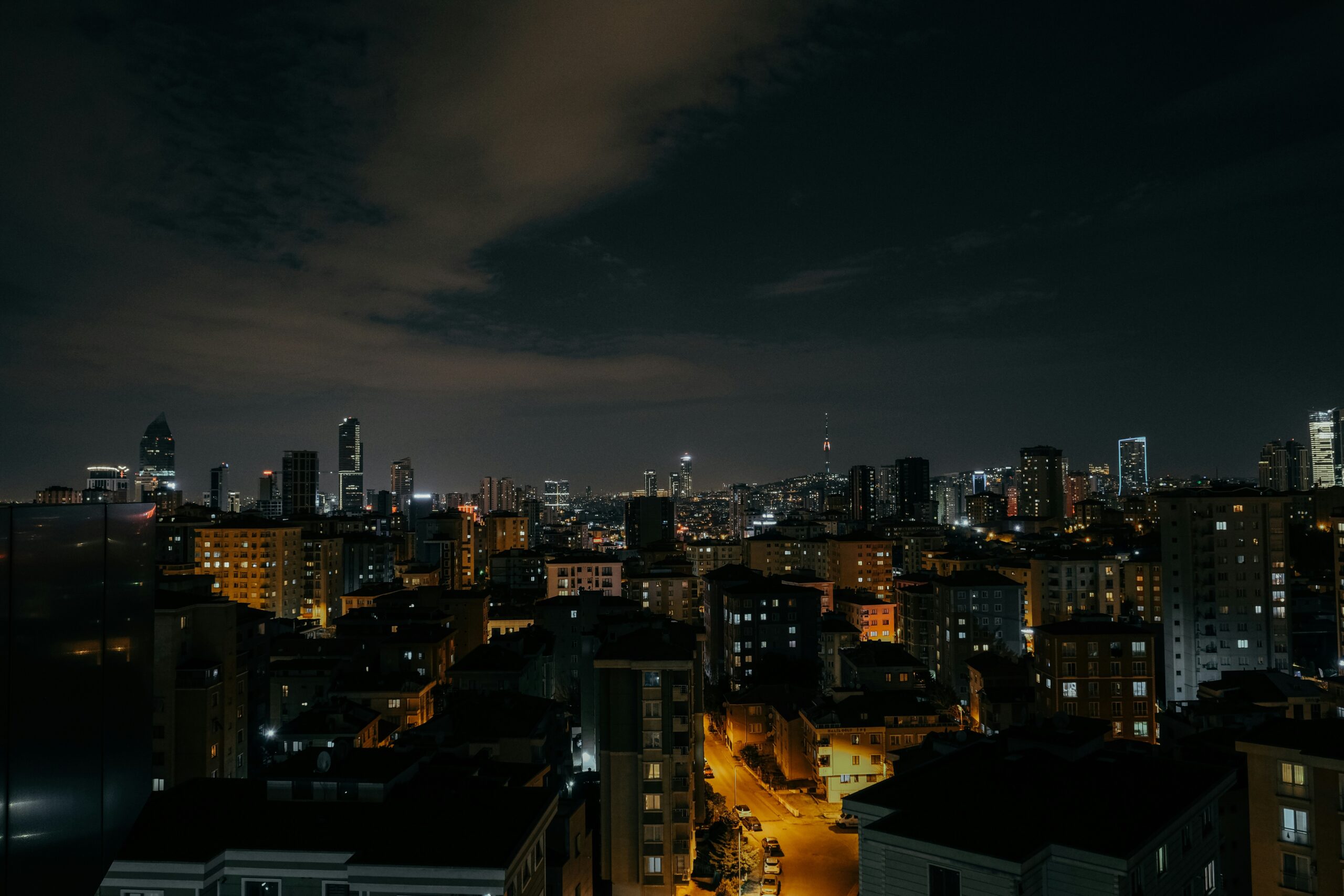
Palo Alto officials introduced a sweeping “dark sky” ordinance that requires residents to turn off outdoor lights by midnight. The City Council will review the proposal on November 10, aiming to protect wildlife and reduce light pollution across the region.
Under the new policy, light trespass limits would tighten from 0.5 to 0.1 foot-candle. The rule would affect most outdoor areas, including trails in the Baylands Nature Preserve. Officials said the measure would protect nocturnal species, reduce disorientation among birds, and restore natural habitats.
“This law focuses on protecting ecosystems from constant artificial light,” city planners explained in a report. The ordinance forms part of a wider West Coast effort to curb light pollution, following similar laws in cities like Portola Valley, Woodside, and Brisbane.
Residents Warn of Safety Risks and Enforcement Issues
Not all residents welcomed the proposal. Some feared darker neighborhoods would invite crime and create safety hazards. Edgewood Drive residents, near San Francisquito Creek, voiced strong opposition due to rising concerns about homeless encampments nearby.
Resident Tom Fountain wrote to the city, warning that reduced lighting could endanger his family. “I’m terrified for my wife and daughter returning to a dark home,” he said. “They’ll struggle to take out the trash or see anyone entering our yard.”
City officials responded by exempting Edgewood Drive from the law, acknowledging residents’ heightened concerns despite the lack of data linking lighting to safety risks. “We understand that some residents perceive greater threats based on their experiences,” the city’s planning report noted.
Officials also admitted enforcement could prove difficult. “We worry about creating regulations we can’t realistically uphold,” they said. “That could lead to false expectations about full compliance.”
Broader Environmental and Health Impact
Supporters of the ordinance argue that reducing artificial light protects both animals and people. Bright night lighting disrupts the rhythms of birds, turtles, and fireflies, and affects fish hormones that control sleep and growth. Humans exposed to constant night light also face higher risks of sleep disorders, dementia, and cancer.
The proposal expands on a failed April ordinance that targeted only new construction. Council Member Greer Stone opposed that limited version, arguing it would take “50 to 100 years” to achieve change without addressing existing lights.
The new plan requires adjustable fixtures to meet dimming standards within two years. Nonresidential properties must comply within five years, while homes have up to ten. Lights failing to meet the rules must remain switched off until upgraded.
Officials said they would rely on education and voluntary compliance, distributing guidance materials and letters for residents to encourage neighbors to dim or shield lights. Council member Pat Burt compared the approach to traffic laws. “Most drivers go slightly over the speed limit, yet roads are still safer,” he said. “This law can work the same way — even if not everyone obeys it perfectly.”
