


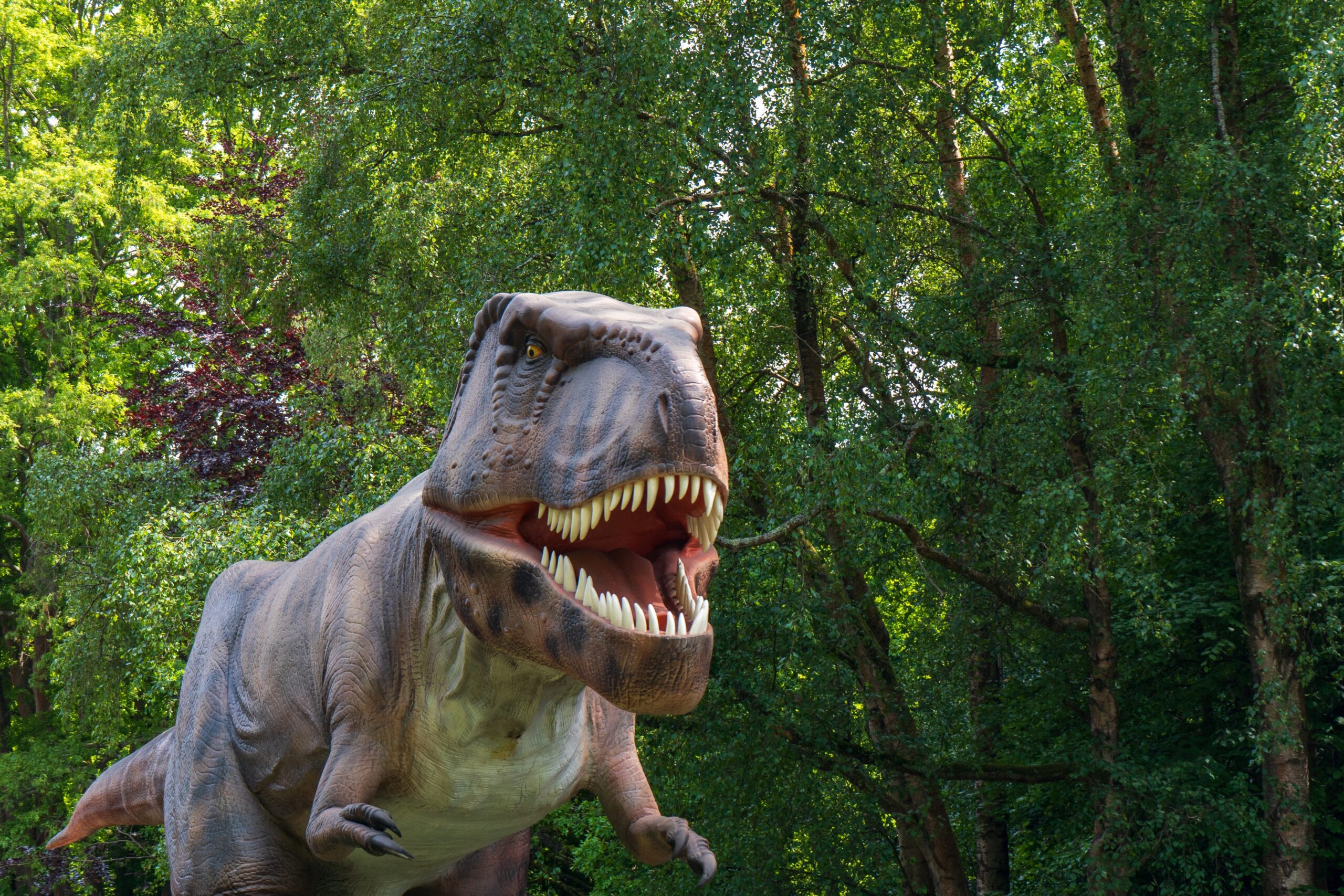
The Jurassic period, spanning from about 201.3 million to 145 million years ago, was a pivotal time in Earth’s history during the Mesozoic era. Named after the Jura Mountains’ limestone deposits, it marked the age when dinosaurs flourished across a changing planet. During this period, the supercontinent Pangaea continued breaking apart, leading to rising sea levels and the creation of warm, humid, subtropical climates that supported diverse plant life, including cycads, conifers, and early flowering plants. Oceans and inland seas were filled with marine reptiles, sharks, and abundant marine life, while gigantic dinosaurs roamed the land.
Why the Jurassic Period Ended
The Jurassic period ended gradually with ongoing geological transformations such as further continental drift and climate changes. These shifts altered habitats and ecosystems, paving the way for new species and the rise of different dinosaur groups in the subsequent Cretaceous period. Unlike a sudden mass extinction, the transition out of the Jurassic was marked by these steady environmental changes that reshaped life on Earth.
