


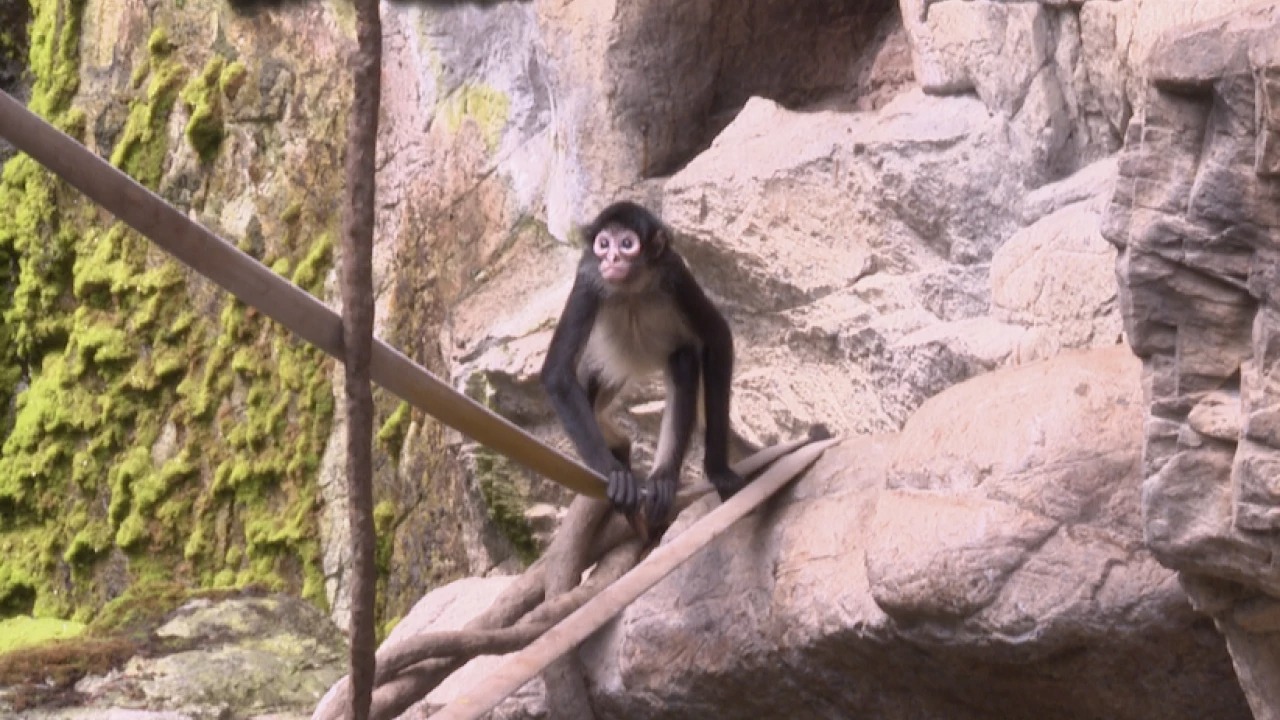
The Henry Doorly Zoo and Aquarium in Omaha, Nebraska, has opened its doors to four new residents. The arrivals are not ordinary guests but endangered Mexican spider monkeys rescued from wildlife traffickers. Their journey has been long and difficult, but now they have a safe place to grow and thrive.
The four monkeys—Lily, Chicharra (known as Chichi), Rosa, and Tito—are all juveniles. They represent one of the most endangered primate species in the world. After spending months in recovery, they are now adjusting to their new home in the zoo’s jungle exhibit.
Jeff Ewelt, Chief Zoological Officer at the zoo, said the young monkeys are already exploring their new surroundings. Chichi, in particular, has shown a playful and curious personality. Visitors often spot her climbing, swinging, and even peering through the windows to watch guests at the zoo’s restaurant. This natural curiosity makes her a favorite among visitors and provides enrichment for both animals and people.
Their rescue began in the spring of 2024 when the monkeys were intercepted at the southern border. After authorities seized them from wildlife traffickers, they were placed in temporary care in Texas for nearly a year. Only recently did they make the journey to Nebraska, where the Henry Doorly Zoo became their permanent home.
Before being introduced to the public, the monkeys spent 30 days in quarantine. During this time, veterinarians conducted thorough health checks, including blood work, to ensure the animals were safe and healthy.
The U.S. Fish and Wildlife Service describes wildlife trafficking as a hidden crime. Most incidents go unreported, making it hard to track how widespread the problem is across different states. Ewelt explained that illegal wildlife trade occurs more often than people think—even in places like Nebraska. He said many would be surprised to learn how close to home this issue can be. Animals are often smuggled across borders and sold through underground markets. For endangered species like Mexican spider monkeys, this trade poses a serious threat to survival.
The successful relocation of the monkeys was possible thanks to collaboration with the Wildlife Conservation Network and the Association of Zoos and Aquariums. These groups help coordinate safe transfers and ensure rescued animals find proper care. Ewelt stressed the importance of these partnerships. Without such networks, many animals rescued from trafficking might not have secure places to live. In Omaha, the zoo’s spacious environment provides climbing structures, trees, and social interaction with other primates.
Interestingly, a female Colombian spider monkey at the zoo has already begun showing motherly behavior toward the new arrivals. This natural interaction helps the juveniles adapt and build trust in their surroundings.
Currently, Lily, Rosa, Tito, and Chichi are the only Mexican spider monkeys at the zoo. Staff say the species is known for being outgoing and social, which will aid their adjustment. Although three of the four are still becoming comfortable, Chichi’s quick adaptation is a positive sign for their long-term well-being.
Zoo officials believe the monkeys will not only benefit from the secure habitat but will also play a role in educating visitors about the dangers of wildlife trafficking. By observing them, guests can learn more about endangered primates and the threats they face in the wild.
The zoo is optimistic about the monkeys’ future. With proper care, enrichment, and protection, they can enjoy long, healthy lives. Their presence also highlights the urgent need to fight illegal wildlife trade and protect endangered animals around the world.
For visitors, seeing the four playful primates up close is both entertaining and educational. For the monkeys, Omaha represents a new beginning after a perilous past. The story of Lily, Chicharra, Rosa, and Tito is a reminder of the importance of conservation and the role that accredited zoos can play in protecting vulnerable species. Thanks to dedicated rescue efforts, four endangered animals now have a safe haven—and a second chance at life.
