


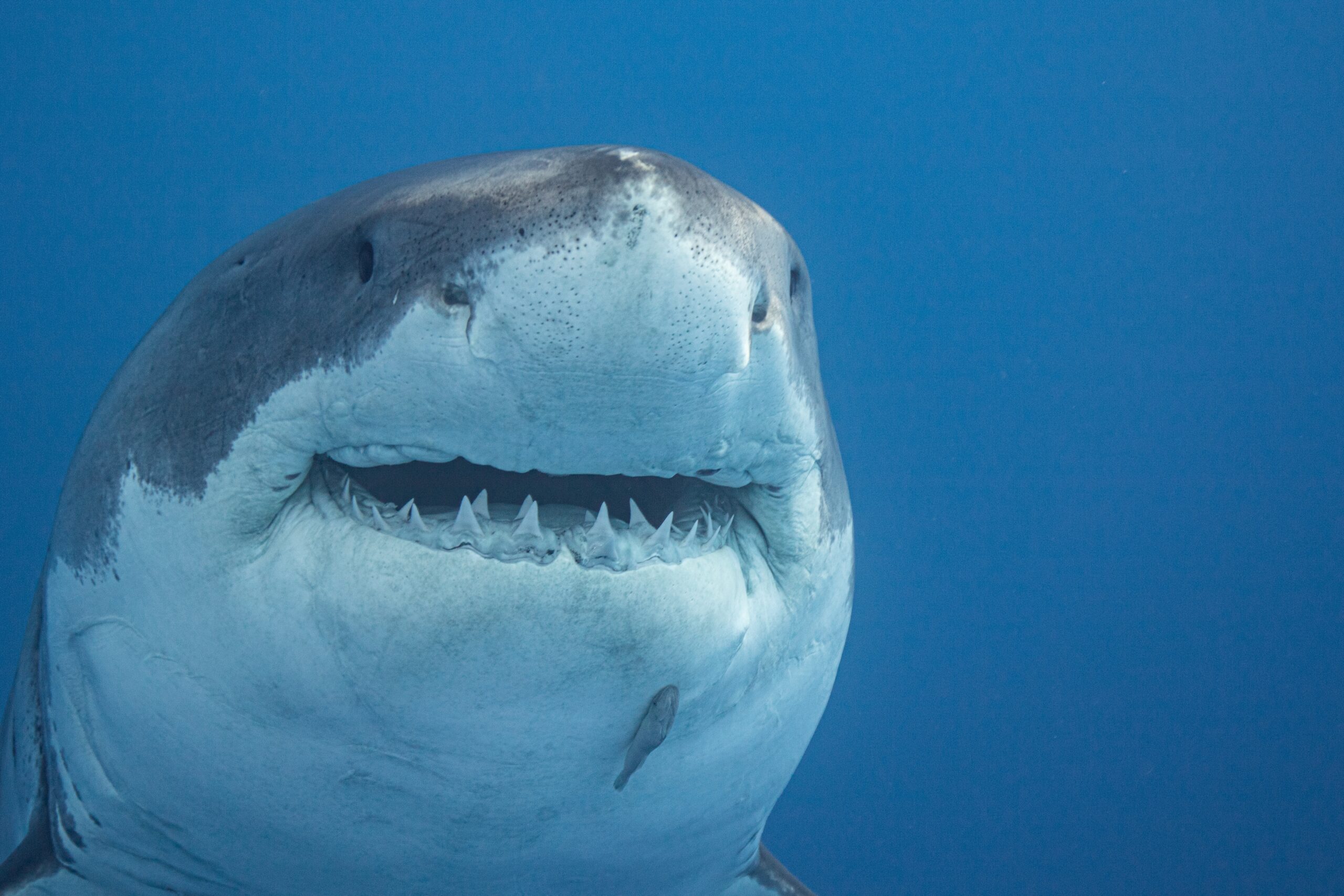
Sharks rely on constantly regrowing, razor-sharp teeth to stay at the top of the ocean food chain, but new research suggests those teeth could become weaker as oceans grow more acidic due to fossil fuel emissions.
In a study by German scientists, shark teeth exposed to water matching future ocean acidity levels showed cracks, corrosion and structural damage compared with teeth kept in today’s conditions. The findings suggest that increasing acidity could make teeth more prone to breaking, potentially affecting sharks’ ability to hunt and feed.
The research focused on more than 600 discarded teeth from blacktip reef sharks and simulated projected ocean chemistry for the year 2300. While the scientists stress sharks will not lose their teeth overnight, they say the gradual weakening adds another pressure to species already threatened by overfishing, pollution and climate change.
Experts not involved in the study note sharks are highly resilient and that teeth develop inside the mouth, offering some protection. Still, with more than a third of shark species already at risk of extinction, researchers warn ocean acidification could become an additional long-term threat to their survival.
