


Seasons shape the rhythm of life
As the Earth circles the sun each year, seasonal changes unfold differently depending on where you live. In places like the northeastern United States, the cycle of four distinct seasons is easy to spot. Even when an unseasonably warm January day appears, the overall pattern of shifting weather, light, and temperature continues to define the year. These changes quietly guide the natural world, influencing how living things grow, rest, and survive.
Every species follows its own life cycle, moving through stages from birth to death. While many of these changes are physical, others are behavioral, shaped by environmental cues such as temperature, food availability, and daylight. These cycles don’t happen in sync across species. Instead, each organism moves at a pace that best supports its survival.
Winter rest and quiet preparation
For humans, the new year often brings resolutions and fresh starts, even though it arrives in the middle of winter. Some people embrace the push for change, while others use the season for rest, reflection, or planning. Nature mirrors this variety. Winter is a period of rest for many animals and plants, but it is rarely a complete pause.
Mammals like groundhogs, chipmunks, and turtles retreat underground, while true hibernators spend months living off stored energy. Bears rest through much of the winter, yet their cubs are born in late January or February, turning the den into a nursery long before spring arrives. Plants also slow down, with deciduous trees shedding leaves and relying on stored sugars to survive. Their growth history is etched into tree rings, revealing bursts of summer growth and the darker, slower months of winter.
Seeds quietly wait out the cold as well. Acorns and other nuts fall in autumn, lying dormant until spring provides the right conditions to begin growing.
Survival, movement, and renewal
While some creatures rest, others remain active or prepare for what comes next. Many insects shelter in soil, logs, or cocoons, effectively pressing pause until warmer weather returns. Amphibians follow dramatically different timelines, with some frogs taking years to complete metamorphosis while others race from egg to adult in a single season.
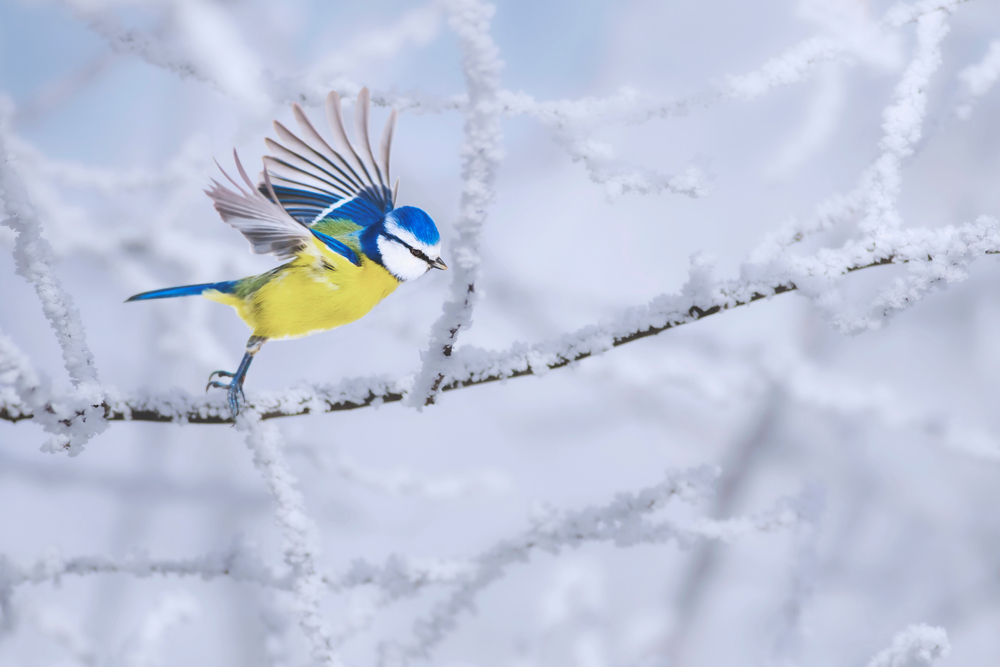
Birds face a choice each winter: migrate or endure the cold. Some leave early, others later, and some stay put. Birds of prey begin moving toward breeding grounds as early as March, while songbirds arrive in waves through spring. Even year-round residents change with the seasons, like goldfinches whose dull winter colors brighten as mating season approaches.
All of these shifts are reminders that nature doesn’t operate on a single schedule. While foxes may be active on frozen ponds, turtles remain buried beneath the same ice, waiting patiently. Each species follows its own path through the seasons, guided by what it needs to survive and continue the cycle of life.
