


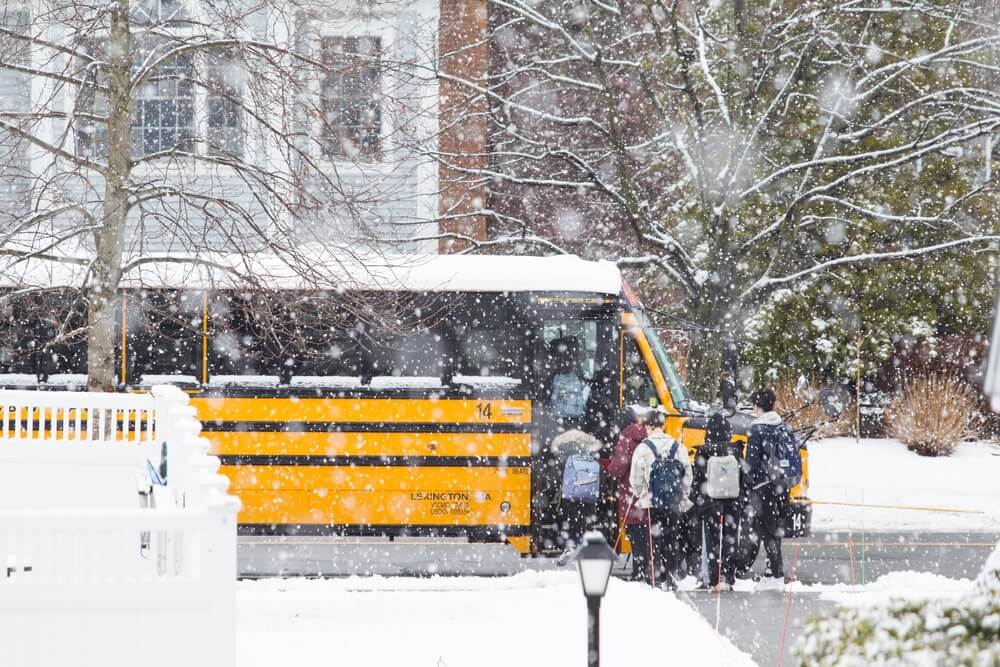
A powerful surge of Arctic air will sweep across much of the United States in coming days. Forecasters warn the system will bring widespread snow and ice. Nearly 30 states may feel impacts, affecting close to 160 million people. Weather officials expect conditions to worsen as the cold air advances steadily eastward.
The National Weather Service expects life-threatening cold to move from the High Plains and Rockies starting Friday. The agency says the Arctic air mass will spread slowly but relentlessly. Meteorologists expect temperatures to plunge far below freezing in several regions, increasing risks for exposed communities.
Dangerous cold spreads from the Plains to the East Coast
Snow showers already affect areas downwind of the Great Lakes along the US-Canada border. Weather officials report persistent lake-effect snow in these regions. At the same time, transportation authorities urge travellers to prepare for severe disruptions as the storm expands nationwide.
The developing system should first strengthen over Texas and New Mexico. It will then move east, spreading heavy snow across major cities. Forecasters expect snow to blanket Memphis, Nashville, Washington DC, Baltimore, Philadelphia and New York as the system advances.
The weather service warns that wind chills could fall below minus 50 degrees Fahrenheit across the Northern Plains. A much broader area of the southeastern United States may also experience sub-zero wind chills. Officials stress that these conditions pose extreme danger to human health.
“These wind chills will pose life-threatening risk of hypothermia and frostbite to exposed skin,” the agency said.
Snow, ice and power risks raise serious concerns
Experts say it remains too early to forecast precise snowfall totals for cities. Still, some areas could receive more than 12 inches of snow. Southern states may instead face freezing rain, which could coat trees in heavy ice.
Ice accumulation may weigh down branches and power lines, increasing outage risks. Officials also expect hazardous travel, falling trees and sharply reduced visibility. Emergency services prepare for widespread incidents linked to road accidents and infrastructure damage.
Canada also faces intense cold as the system influences northern regions. Eastern and Atlantic areas could see snowfall, according to senior meteorologist Geoff Coulson. He cautioned that forecasters still cannot determine the full scale of impacts.
States declare emergencies as officials mobilise
Governors in several states have declared emergencies, including Texas, North Carolina and South Carolina. These declarations allow emergency managers to mobilise resources quickly. National Guard units have begun preparing response efforts in vulnerable areas.
Texas Governor Greg Abbott said the state is acting ahead of the storm. He said officials want to ensure residents have needed resources before severe winter weather spreads across communities.
The warnings revive memories of the devastating 2021 winter storm in Texas. That event collapsed the power grid and left millions without electricity for days. Officials now warn that extreme cold could again freeze and burst water pipes.
Authorities say roadways could remain blocked for days, especially in southern states with limited de-icing equipment. Forecasters expect cold temperatures to persist into next week, prolonging disruptions and increasing risks for millions.
