


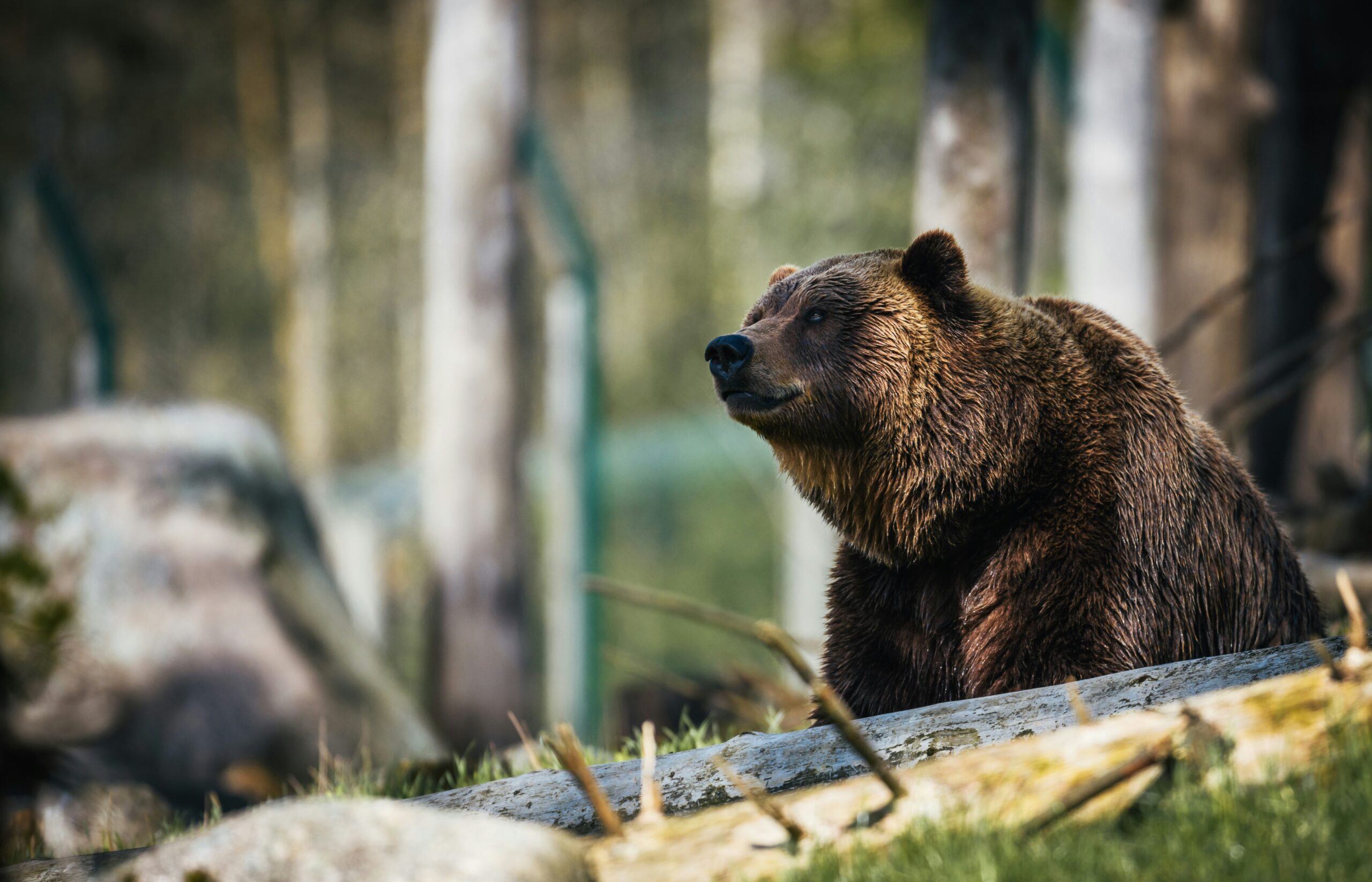
Conservation organizations filed a lawsuit Monday against Alaska’s new bear-killing program aimed at boosting caribou numbers. The suit argues the plan violates the state constitution and lacks scientific support. The program, approved by the Alaska Board of Game in July, allows state employees to shoot brown and black bears from helicopters without tracking their population sustainability. The designated hunting zone spans an area roughly the size of Indiana and sets no kill limits.
Legal Clash Over Bear Culls and Caribou Decline
Trustees for Alaska filed the case on behalf of the Alaska Wildlife Alliance and the Center for Biological Diversity, naming the state and its agencies as defendants. The Mulchatna caribou herd once numbered 190,000 in the late 1990s but has since plummeted to around 13,000 by 2019, forcing a hunting ban in 2021. The Department of Fish and Game claims the initiative aims to restore the herd as a vital food source for local communities. It blames predation, especially by bears and wolves, as a major obstacle to the herd’s recovery. Department surveys in 2024 showed a slight increase in calf survival, which officials cited as proof of progress.
Controversy Over Killing Methods and Sustainability
The lawsuit says state agents killed every bear found within a 1,200-square-mile area in 2023, totaling about 180 animals across two years. An earlier court ruling in March criticized the state for lacking data on bear populations before approving the plan. Despite that decision, officials pushed forward and later reauthorized the program through 2028. Department commissioner Doug Vincent-Lang defended the policy, claiming predation—not disease or nutrition—limits the herd’s growth. Alaska Wildlife Alliance director Nicole Schmitt warned the program threatens bears roaming near Lake Clark and Katmai national parks. Trustees for Alaska attorney Michelle Sinnott condemned the plan as unconstitutional, accusing the state of granting itself unchecked power to kill predators without scientific oversight.
