


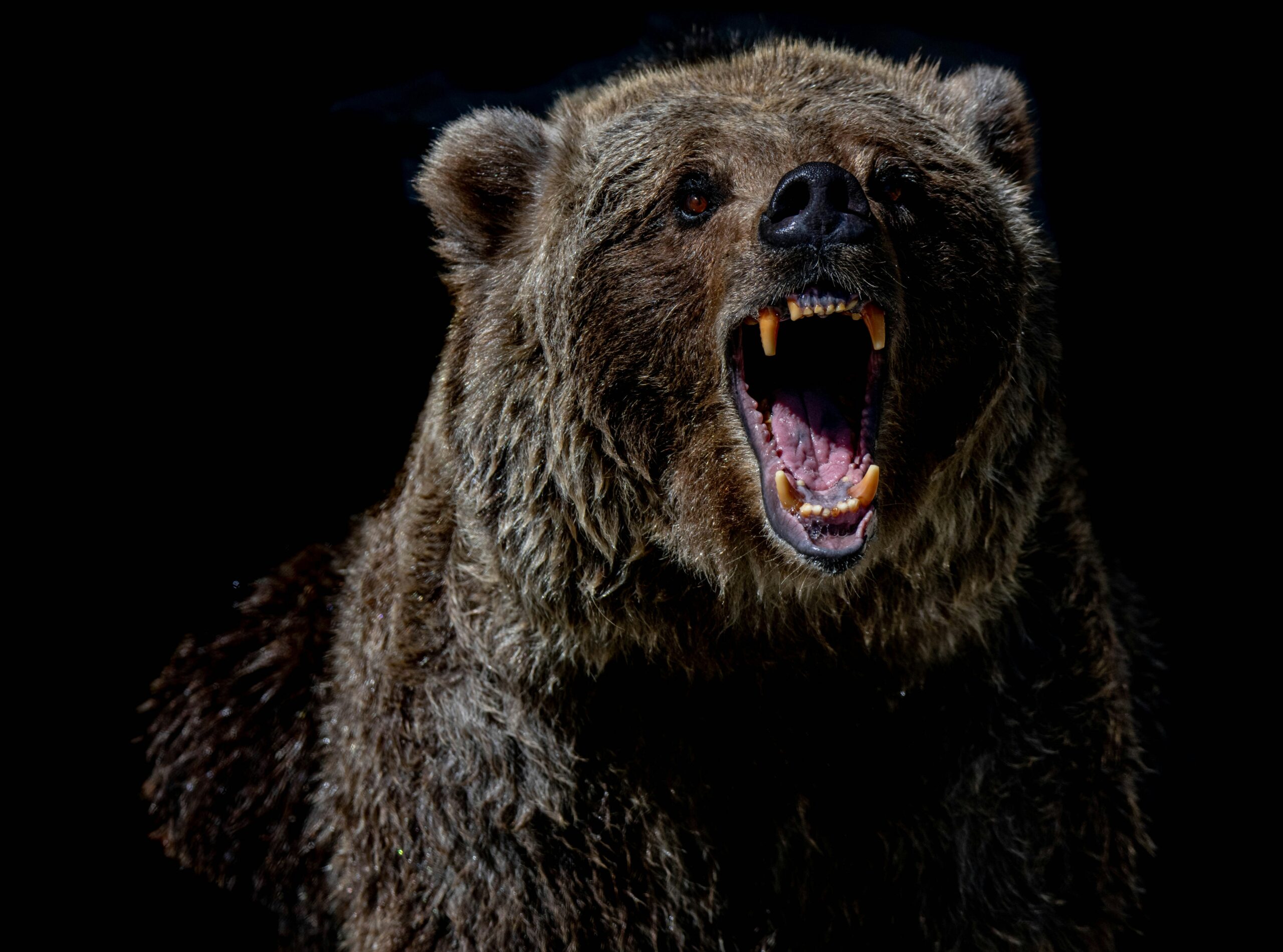
The Florida Fish and Wildlife Conservation Commission asked a judge to dismiss a lawsuit aiming to stop a December bear hunt. The agency cited its constitutional authority to manage wildlife as the basis for its request.
Bear Warriors United filed the lawsuit in September and requested a temporary injunction to block the hunt, which could allow hunters to kill up to 172 bears in four regions. The commission submitted documents last week urging Judge Angela Dempsey to reject both the lawsuit and the injunction.
The commission argued that the lawsuit attempts to interfere with its constitutional power to oversee wildlife management. It stated that it approved a short, controlled black bear hunt to manage the bear population responsibly. The commission said its approach keeps bear numbers thriving while maintaining a balance between bears and the public.
Conservation Group Challenges Hunt Rationale
Bear hunting has remained contentious in Florida, with the previous hunt occurring in 2015. The commission approved this year’s hunt on Aug. 13, scheduling it from Dec. 6 to Dec. 28.
Bear Warriors United argued that officials did not rely on reliable science when approving the hunt. The group said the planned hunt would lead to unnecessary deaths of Florida black bears. Its injunction request claimed the commission failed its constitutional duty to manage wildlife responsibly.
Judge Dempsey wrote on Oct. 20 that she would hold a hearing next week or on Nov. 24 or 25. As of Friday morning, the docket had not listed a firm hearing date.
Florida currently hosts more than 4,000 black bears, and some areas have seen increased encounters between bears and residents. Opponents of the hunt urged the state to use non-lethal methods such as securing garbage to reduce conflicts. Many hunters, however, continued to support the hunt.
Dispute Over Scientific Evidence
Under the commission’s plan, permit holders selected through a lottery will each be allowed to kill one bear, with a maximum total of 172. The hunt will occur in four regions: the Apalachicola area west of Tallahassee, areas west of Jacksonville, a region north of Orlando, and the Big Cypress area southwest of Lake Okeechobee.
The commission countered claims that the hunt lacks scientific support. It said bear numbers have increased in several areas, pushing bears into unsuitable habitats as human development expands. It argued that a limited hunt would stabilize populations and improve long-term survival prospects.
Bear Warriors United responded that the commission relied on outdated data even though newer information exists. The group said the agency directed staff to plan the hunt using obsolete figures. It argued that the hunt will occur in regions where bear populations are declining or losing stability.
