


A new “w” on the horizon
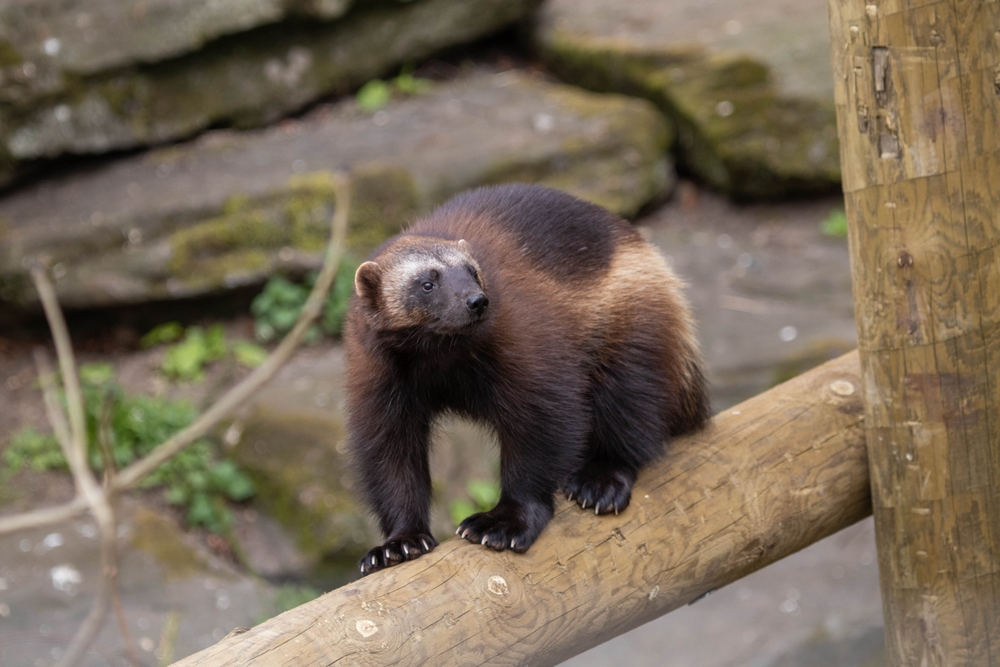
Colorado Parks and Wildlife (CPW) is preparing to reintroduce wolverines to the state, bringing attention to a lesser-known but fascinating predator. Unlike the often-controversial wolf, wolverines are widely admired for their toughness and resilience. Bob Inman, CPW’s species coordinator for wolverines, said the animal sparks curiosity rather than debate, making it a unique conservation opportunity. The state’s 106-page Wolverine Restoration Plan outlines how the species will be brought back and managed in Colorado for the first time since 1919.
Steps for a successful reintroduction
Before wolverines can be released, Colorado must work with the U.S. Fish and Wildlife Service to classify the species as a nonessential experimental population. This designation allows the state to manage potential conflicts with livestock, although such incidents are rare due to the wolverine’s small size. CPW also plans to compensate any farmers affected by lost livestock.
The plan calls for relocating wolverines from Canada, carefully matching habitat, prey availability, and genetics to ensure a thriving population. Fifteen wolverines would be introduced each year over three years across three public land zones: the Sawatch and Elk Mountains, the San Juan Range, and the Front Range, Park Range, and Flattops. Each animal will start at CPW’s Frisco Creek Wildlife Rehab Center for veterinary exams, GPS collaring, and recovery. Pregnant females may remain until summer to ensure their offspring have the best chance of survival.
Conservation with flexibility
Wolverines are highly mobile and capable of traveling vast distances, so CPW plans to support their early adaptation by facilitating dens and providing food during winter. Inman emphasized that the plan is adaptable, allowing adjustments if unforeseen challenges arise. Unlike the heated debates surrounding wolves, this project is focused purely on conservation.
“This is the biggest step forward for wolverine conservation in the lower 48,” Inman said. “It’s about real, on-the-ground work that makes a difference, and I’m thrilled to be a part of it.” With careful planning, Colorado aims to reestablish a thriving wolverine population, strengthening wildlife diversity and preserving a species that has long been absent from the state.
