


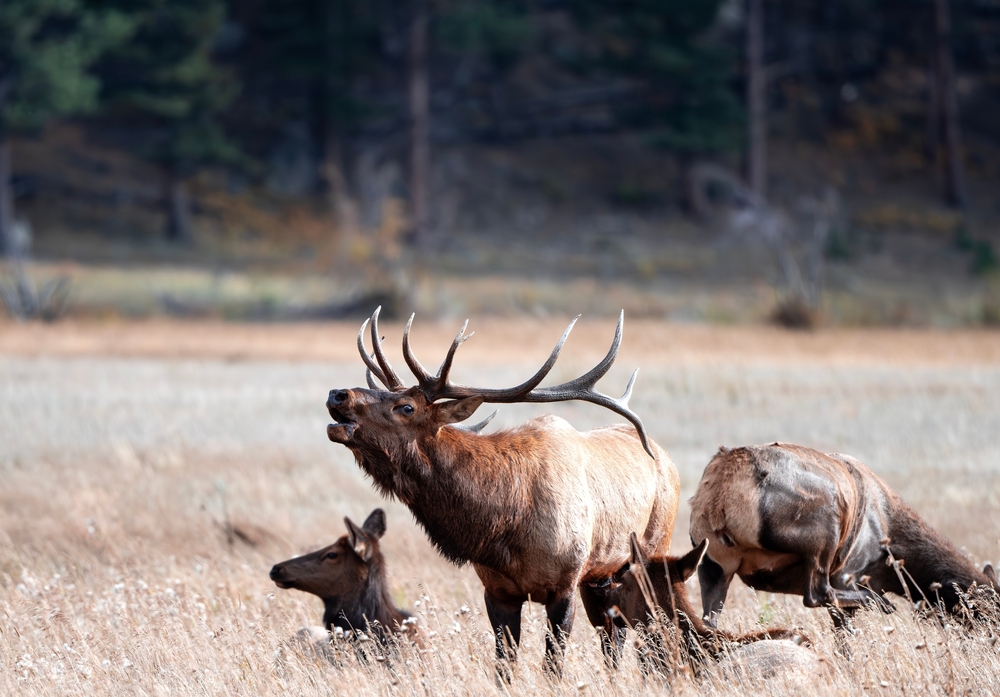
Wildlife experts report progress in a project to bring elk back to wetlands in Nottinghamshire. The animals once thrived in the UK but became extinct around 3,000 years ago, largely due to hunting.
Nottinghamshire and Derbyshire wildlife trusts secured £15,000 in funding from Rewilding Britain earlier this year to explore the feasibility of the elk’s return.
Assessing the Risks
Janice Bradley, from Nottinghamshire Wildlife Trust, said a disease risk assessment, expected by early next year, marks a major milestone. As head of nature recovery, she described elk as a “very important megaherbivore.”
“They act as keystone species and shape entire ecosystems, especially wetland habitats,” she said. “They influence which other species thrive.”
Elk have transformed habitats across Europe, improving and diversifying the environment to the benefit of other wildlife.
The risk assessment, conducted by a specialist veterinary consultant, will examine where the elk could come from and the potential for disease transmission to or from the animals.
Bradley emphasized that elk currently live healthily in several European countries with no evidence of disease spreading, but the project must maintain a robust approach.
Planning the Reintroduction
If the risk assessment is positive and further funding is secured, the team plans to release elk into a “very large wild-type enclosure” in small numbers at first. The space will be fenced to keep the animals contained within a nature reserve, acting as a “halfway house” before wider release.
“Ultimately, we hope wild elk will roam the floodplains of Britain, starting with the Trent and Idle rivers,” Bradley said. “But that is still some way off.”
Bradley also helped reintroduce beavers to Nottinghamshire in 2021, the first return in at least 400 years. Beavers, like elk, are herbivores and have brought major benefits to local ecosystems.
“We have already seen that enclosed beavers increase species richness in their habitats significantly,” she said.
Next Steps and Challenges
The next steps for the elk project include assessing any identified risks, consulting with the public and landowners, and establishing a suitable enclosure.
Bradley noted that funding remains the biggest challenge. “The technical aspects are manageable, but the logistics depend on available funds,” she said.
