


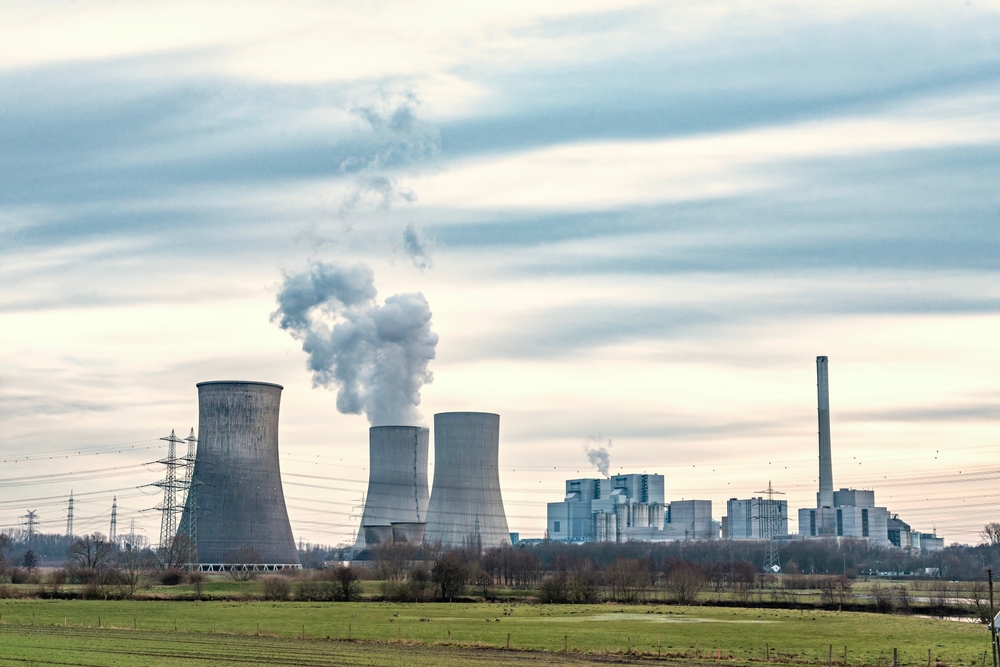
The UK now ranks as the most expensive country to develop nuclear power, a government review found. Officials blamed the sector’s “overly complex” bureaucracy for high costs. The review, commissioned by Prime Minister Sir Keir Starmer, called for a “radical reset” of the government’s nuclear strategy. Experts say a streamlined approach could save Britain tens of billions of pounds and reverse years of industry decline. The Nuclear Regulatory Taskforce emphasized the urgency as the UK seeks to expand nuclear capacity to meet future energy needs and achieve net zero targets.
Complex regulation drives up costs
The report highlighted a fragmented regulatory system that limits safety oversight across the industry. It noted that overly cautious regulations have forced costly decisions that do not match the actual risks. Officials described the sector as near-monopolistic, with both civil and defence projects prone to large budget overruns and schedule delays. Taskforce researchers warned that the UK risks missing a global nuclear revival unless it reforms policies. The report cited excessive risk aversion, including conservative rules on worker radiation exposure, as a major driver of delays and expenses.
Proposals for a single decision-making authority
Among the report’s recommendations, experts called for a “one-stop” nuclear commission to unify decision-making across all projects. Taskforce chair John Fingleton said, “Our solutions are radical, but necessary. Simplifying regulation will maintain or improve safety while delivering nuclear capacity safely, quickly, and affordably.” Officials said the government will respond to the findings later this month as part of the Budget.
Nuclear power on the global stage
Around the world, several major economies are reassessing their nuclear strategies and increasing capacity. The number of planned and proposed reactors roughly equals the total currently in operation. The UK is among 30 countries that pledged to triple nuclear output by 2050 to reduce carbon emissions. Current UK nuclear power stations produced about 15 percent of the country’s electricity in 2024.
Aging reactors and new projects
The UK operates nine nuclear reactors, but most are aging, with eight scheduled for closure by 2030. New large-scale plants are under development but will take years to come online. Hinkley Point C in Somerset is expected to start operations in the early 2030s, followed by Sizewell C, which the government says could power six million homes. Officials also plan smaller reactors that are faster to build and easier to deploy.
International trends in nuclear energy
Other nations are expanding nuclear programs rapidly. France plans to build at least six new reactors, while China has nearly 30 under construction. The United States completed its first reactor in over 30 years last year, and Japan now aims to have nuclear energy supply a fifth of its electricity by 2040. Germany, in contrast, has phased out nuclear power and prioritized renewables like hydrogen.
Nuclear energy remains controversial
Public opinion on nuclear power remains divided, shaped by disasters such as Fukushima in 2011 and Chernobyl in 1986. Experts stress that reforming regulation in the UK could make nuclear energy both safer and more cost-effective, but debates over its role continue.
