


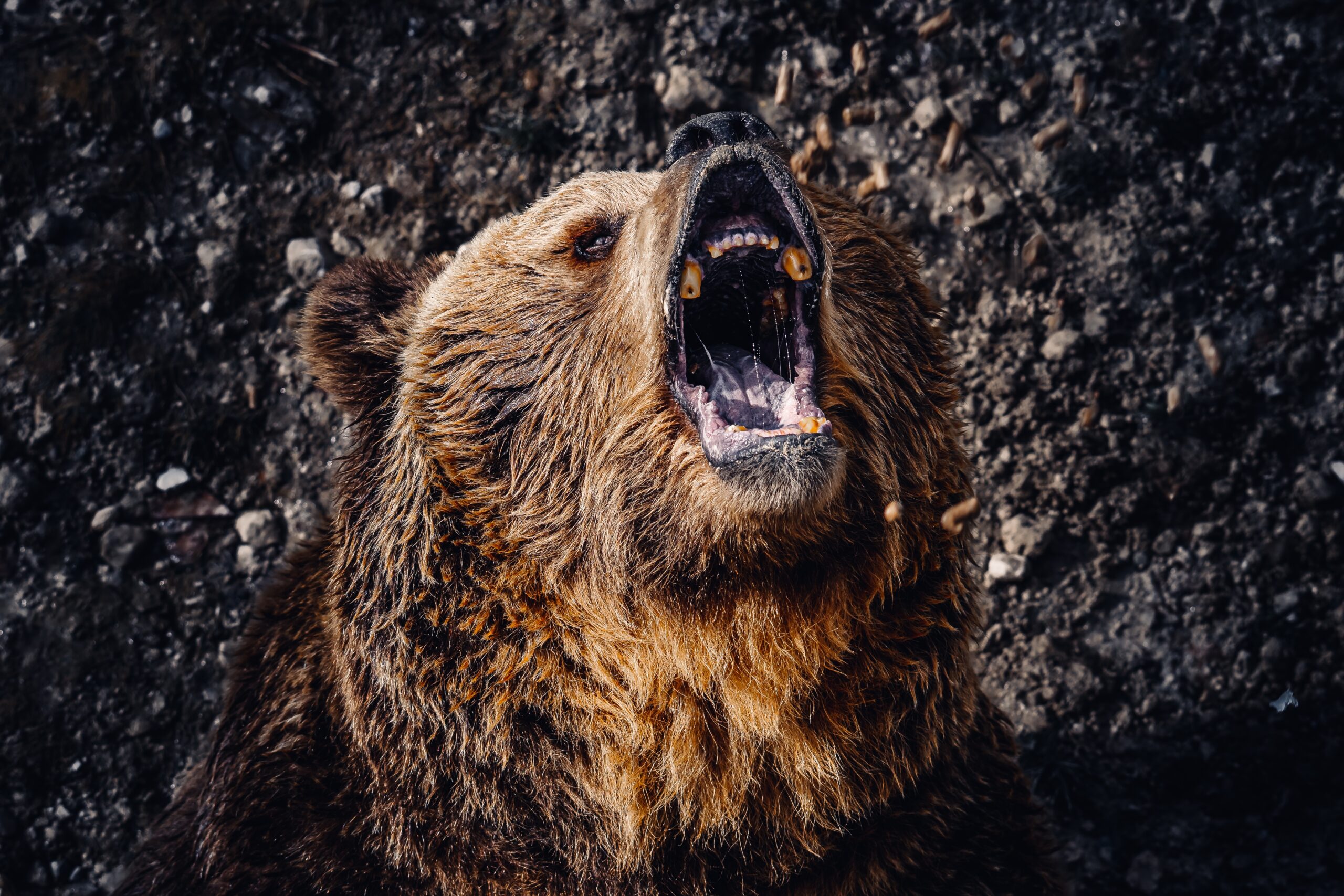
Alberta’s new program to manage problem wildlife has claimed its first grizzly bear. Officials confirmed that a licensed hunter shot the animal after it attacked livestock in southwest Alberta. The province did not release the date or exact location.
The kill occurred under a provincial initiative launched last year that allows trained hunters to respond when grizzlies threaten humans or ranch animals. Alberta Forestry and Parks spokesperson Mike Plentis said in an email Tuesday, “Four grizzly responders have been deployed so far, with one bear removed.”
Officials stated that in all four cases, grizzlies had killed livestock. The cull marks the first lethal removal since Alberta banned private grizzly hunting in 2006.
Former wildlife officer John Clarke criticised the program, asking, “How do they know they’re getting the right bear, or is this just another hunting season?” Clarke, who runs a bear safety consultancy in Crowsnest Pass, said the bear was killed near Pincher Creek earlier this summer and questioned whether DNA evidence confirmed it as the same animal responsible for the attacks.
Critics Condemn Policy as Reckless and Unscientific
The decision to allow controlled kills follows a ministerial order issued on June 17, 2024, by Forestry and Parks Minister Todd Loewen. The order authorises the removal of bears proven to be habituated to humans or responsible for livestock deaths. Only adult bears without cubs can be targeted, and only in designated “areas of concern.”
“This is not a bear hunt,” the ministry stated. “It is a safety measure for people and livestock.”
The move coincides with a review of grizzly bears’ threatened species status. Government estimates suggest the population has grown from 700–800 in 2010 to as many as 1,150 today. Critics, however, call those figures inflated.
Clarke argued, “Those numbers are guesses. It’s dangerous to act without proper science.” He said Alberta lacks consistent population studies.
Canmore conservationist Jim Pissot, of WildCanada Conservation Alliance, condemned the new policy, calling it reckless. “This government shows no concern for wildlife,” he said. “They are killing wolverines and other species in decline without hesitation.”
Pissot compared deputizing hunters to “arming vigilantes to pistol-whip pickpockets in downtown Calgary.” He urged the province to invest in coexistence programs rather than “dragging wildlife management back into the 18th century.”
Province Defends “Proactive Approach” to Safety
Minister Loewen defended the policy, saying the government aims to balance safety and conservation. His ministry invested $100,000 in a Bear Smart program and launched the Waterton Biosphere Carnivores and Communities initiative to help ranchers protect livestock.
“The loss of even one human life from a grizzly attack is one too many,” Loewen said. “We are taking a proactive approach to help Albertans coexist with wildlife.”
Officials clarified that residents cannot kill aggressive bears themselves and must contact fish and wildlife officers to handle incidents.
Between 2023 and 2024, grizzly and black bears killed 120 livestock animals across Alberta. The province insists its new wildlife management strategy will reduce risks to both humans and animals while maintaining a sustainable bear population.
