


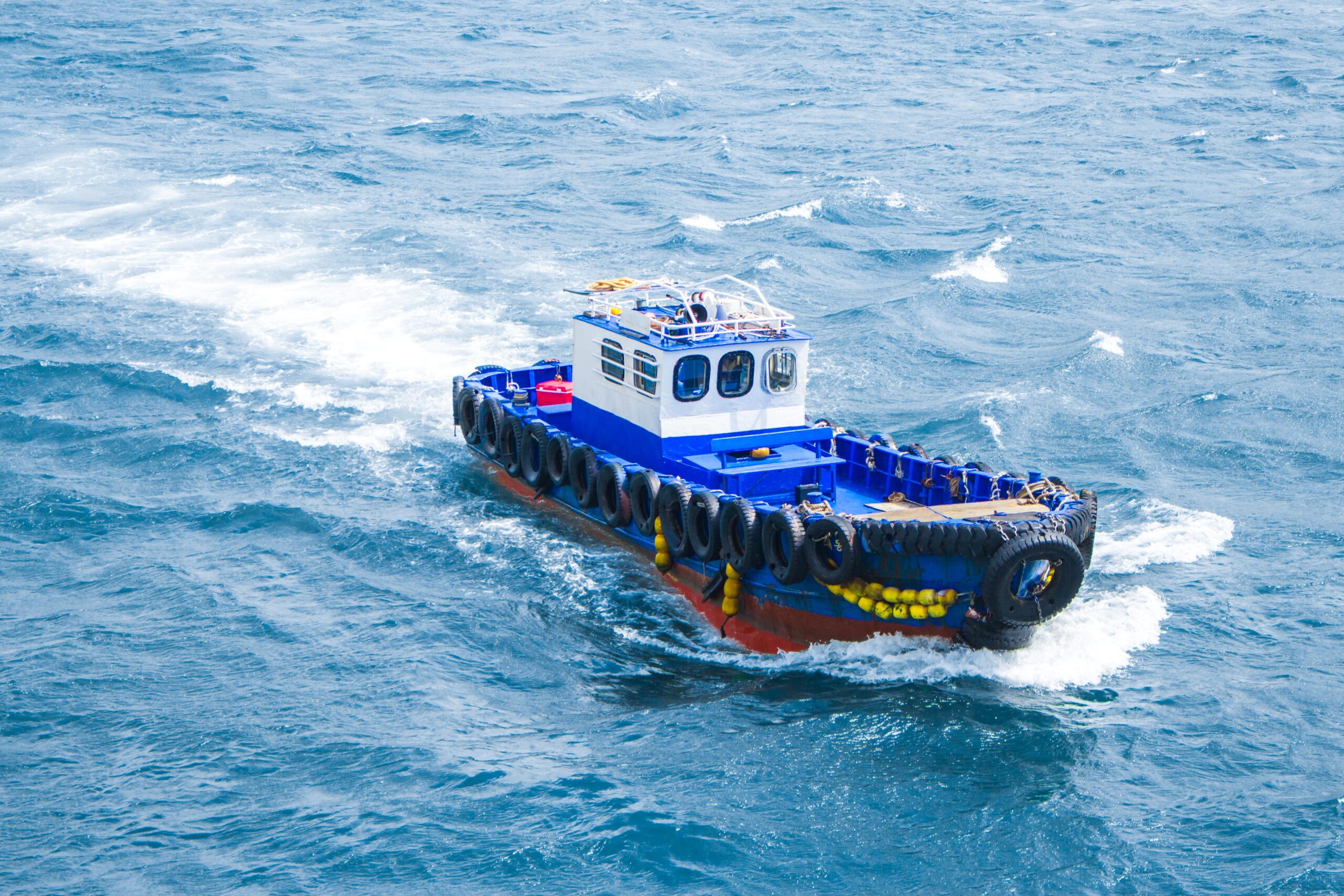
When Hong Suk-hui waited on the shore of Jeju Island, he received a devastating call. His fishing boat had capsized. Just two days earlier, the vessel had set out on what he hoped would be a long and fruitful voyage. But as the winds grew stronger, the captain was ordered to return to port. On the way back, a huge wave struck from two directions, creating a whirlpool that flipped the boat. Five of the ten crew members, asleep below deck, drowned. “When I heard the news, I felt like the sky was falling,” said Mr. Hong.
A deadly rise in sea accidents
Last year, 164 people were killed or went missing in South Korean waters – a 75% increase from the previous year. Most were fishermen whose boats sank or capsized. “The weather has changed; it’s getting windier every year,” said Mr. Hong, who heads the Jeju Fishing Boat Owners Association. “Whirlwinds pop up suddenly. We fishermen are convinced it’s caused by climate change.”
Alarmed by the surge in deaths, the government launched an investigation into the accidents. The head of the taskforce later identified climate change as one of the main causes, along with the country’s aging fishing workforce, growing reliance on migrant workers, and poor safety training.
The sea grows warmer and more dangerous
The seas around South Korea are warming faster than the global average because they are shallower. Between 1968 and 2024, their average surface temperature rose by 1.58°C, more than twice the global increase of 0.74°C. Warmer waters contribute to extreme weather, making tropical storms and typhoons more intense. Rising temperatures are also driving fish species away from Korea’s coasts. According to the National Institute of Fisheries Science, fishermen now must travel farther to find enough fish to make a living. Environmental groups are calling for urgent action to stop the ongoing tragedy in Korean waters.
Fishermen pushed into deeper and riskier seas
On a rainy June morning, Jeju Island’s main harbor overflowed with fishing boats. Crews rushed to refuel and stock up, while owners paced nervously along the docks. “I’m always afraid something might happen to the boat; the risks have grown so much,” said 54-year-old boat owner Kim Seung-hwan. He explained that the winds have become more unpredictable and dangerously strong. A few years ago, Kim noticed that the silvery hairtail fish he relied on were vanishing. His earnings dropped by half. Now his crews must sail farther south, sometimes near Taiwan, to find them. “Since we operate farther away, we can’t always return quickly during storm warnings,” he said. “It would be safer to stay near shore, but to survive, we have to go farther out.”
Warnings increase as seas turn treacherous
Professor Gug Seung-gi, who led the investigation, said South Korea’s seas have become more perilous. Marine weather warnings around the Korean Peninsula rose by 65% between 2020 and 2024. “Unpredictable weather is causing more boats to capsize, especially small vessels not built for long, rough trips,” he explained. Professor Kim Baek-min from Pukyong National University agreed that climate change creates conditions for sudden wind gusts, but said more data is needed to confirm a long-term trend.
The sea offers fewer rewards
Before dawn one foggy morning, we joined Captain Park Hyung-il on a small trawler off Korea’s south coast. After 25 years fishing anchovies, he still sang sea shanties to stay positive. But his optimism faded as he hauled in the nets. The catch was thin. Among countless jellyfish, only a few anchovies appeared. “We used to fill 50 to 100 baskets a day,” he said. “Now we can barely fill two.” Over the past decade, South Korea’s squid catch has plunged by 92%, and anchovy catches have fallen by nearly half.
Even the anchovies Park caught that day were too small for the market. “The haul is worthless,” he said. “It won’t cover fuel, let alone wages.” He looked at the sea and sighed. “Nothing makes sense anymore. I used to feel proud knowing people ate my fish. Now there’s barely anything to catch.”
A graying industry and rising risks
With profits shrinking, few young people want to join the trade. In 2023, almost half of South Korea’s fishermen were over 65, up from less than a third ten years ago. Many elderly captains now rely on migrant workers from Vietnam and Indonesia. Often, these workers lack proper safety training, and language barriers make communication difficult, increasing danger.
Woojin Chung from the Environmental Justice Foundation described this as “a vicious and tragic cycle.” More extreme weather, longer journeys, higher fuel costs, and cheap, untrained labor all combine to raise the risk of disaster.
A tragic loss and growing anger
On 9 February, a large trawler sank near Yeosu, killing ten crew members. It was a freezing, windy day. Smaller boats were banned from sailing, but the trawler was considered strong enough to endure the gales. The cause remains unknown. Among the victims was 63-year-old Young-mook, a veteran fisherman planning to retire. He joined the trip at the last minute after receiving a call for help. “Once you fell in that cold water, you wouldn’t survive,” said his daughter Ean, still heartbroken.
Ean believes owners too easily blame climate change for accidents. “Even if weather plays a role, it’s their job to assess risks and protect their crews,” she said. She remembers her father’s fridge once filled with crabs and squid. “Now the stocks are gone, but companies still force them out. These men have no other options.” She also wants stricter maintenance checks. “Companies get insurance money when a boat sinks, but our loved ones can’t be replaced.”
Government pushes for safer seas
The authorities know they can’t control the weather, but they are trying to make fishing safer. As Mr. Hong stood by the shore, government inspectors examined two of his boats. The taskforce recommends fitting boats with safety ladders, requiring life jackets, and making safety training mandatory for foreign crew. It also plans to improve rescue operations and provide real-time, local weather updates.
Some regions now pay fishermen for jellyfish to help clean the seas. Squid fishermen receive loans to prevent bankruptcy and to encourage early retirement.
The future looks uncertain
The UN’s Food and Agricultural Organisation predicts South Korea’s total fish catches could fall by nearly one-third by century’s end if emissions continue. “The future looks bleak,” said Captain Park, now in his late forties. To supplement his income, he started a YouTube channel about his daily catches. He is the third generation of fishermen in his family – and likely the last. “Back then, it felt romantic heading out to sea,” he said. “Now it’s just really tough.”
