


Shanghai has issued the first major update to its local list of protected wild animals since 1993. The move is part of efforts to stop illegal hunting, reduce wildlife trade, and raise awareness about conservation within the city.
The revised “List of Provincial Key Protected Wild Animals in Shanghai” works alongside the national protection list. While the national list provides countrywide coverage, Shanghai’s version focuses on local species that need special protection within the city’s ecosystems.
The new update reflects almost three decades of changes in wildlife numbers, habitats, and conservation needs. Authorities say it will help create stronger laws, improve management, and safeguard biodiversity in the city’s urban and natural areas.
The revision includes both removals and new additions. In total, 19 species have been removed, while 20 new ones have been added. Two species already on the list have received updated information. After these adjustments, the list now contains 47 species in total. These include four mammals, 21 birds, 20 reptiles, and two amphibians.
Several animals, such as leopard cats and reed parrotbills, were removed from the local list. These species are now covered under the national list, which means they still receive full protection under Chinese law.
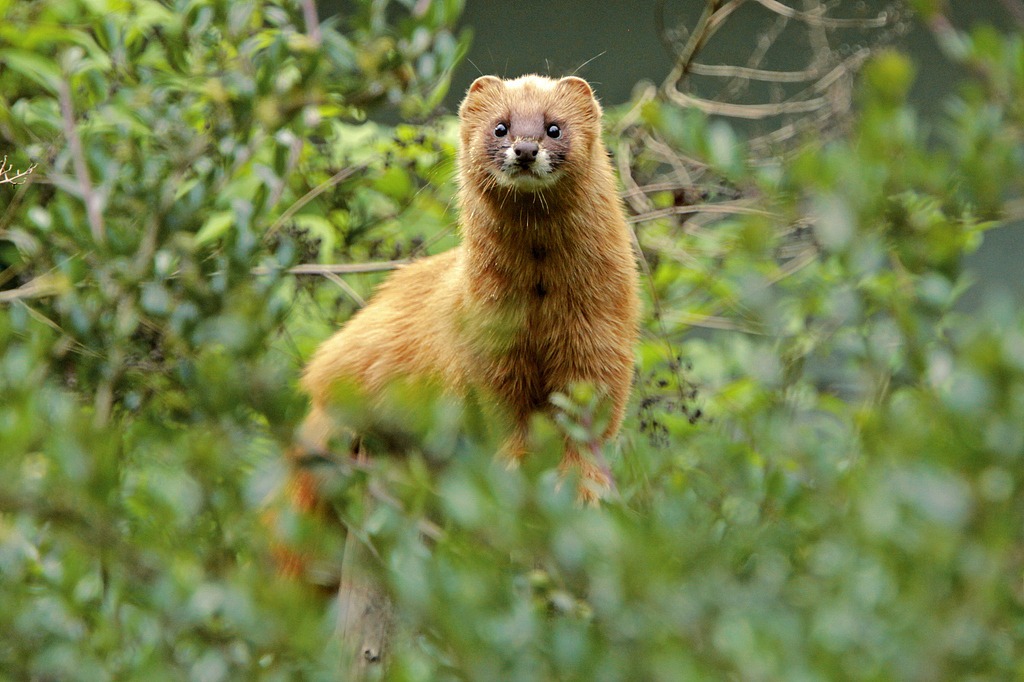
New species added to the local list include the Mustela sibirica (Siberian weasel), Meles meles (Eurasian badger), Lepus sinensis (Chinese hare), Dendrocopos major (great spotted woodpecker), Hirundo rustica (barn swallow), Cecropis daurica (red-rumped swallow), Gekko hokouensis (Hokou gecko), and Calamaria septentrionalis (northern reed snake).
All animals on the updated list are now fully protected by law. Eating these wild species is prohibited. Hunting is only allowed with a license, and even then, strict limits apply to the number of animals that can be captured or killed.
For conservation and scientific purposes, artificial breeding of these protected animals will require approval and filing with local authorities. Any trade involving these species must also be backed by legal certificates to ensure legitimacy.
Shanghai officials highlighted that this update is not only about enforcement but also about education. By modernizing the list, they hope residents will better understand the need to protect local wildlife and avoid activities that may harm endangered or vulnerable species.
The city’s conservation plans are also linked to broader environmental protection efforts in China. In recent years, the country has placed stronger focus on biodiversity, ecosystem health, and the prevention of diseases that can spread from wild animals to humans.
Shanghai’s revision is expected to guide similar efforts across other regions, especially those with growing urban populations. Experts note that protecting biodiversity in large cities is just as important as in rural areas, as urban sprawl can threaten fragile habitats.
The city has pledged to keep monitoring wildlife populations and make further adjustments if necessary. Officials say future updates may come more frequently to reflect changes in species distribution, numbers, and conservation needs.
By releasing this updated list, Shanghai has taken a major step toward balancing urban development with ecological protection. The inclusion of new species, along with stricter rules on hunting and trade, is designed to ensure that wildlife continues to play a role in the city’s environmental health.
