


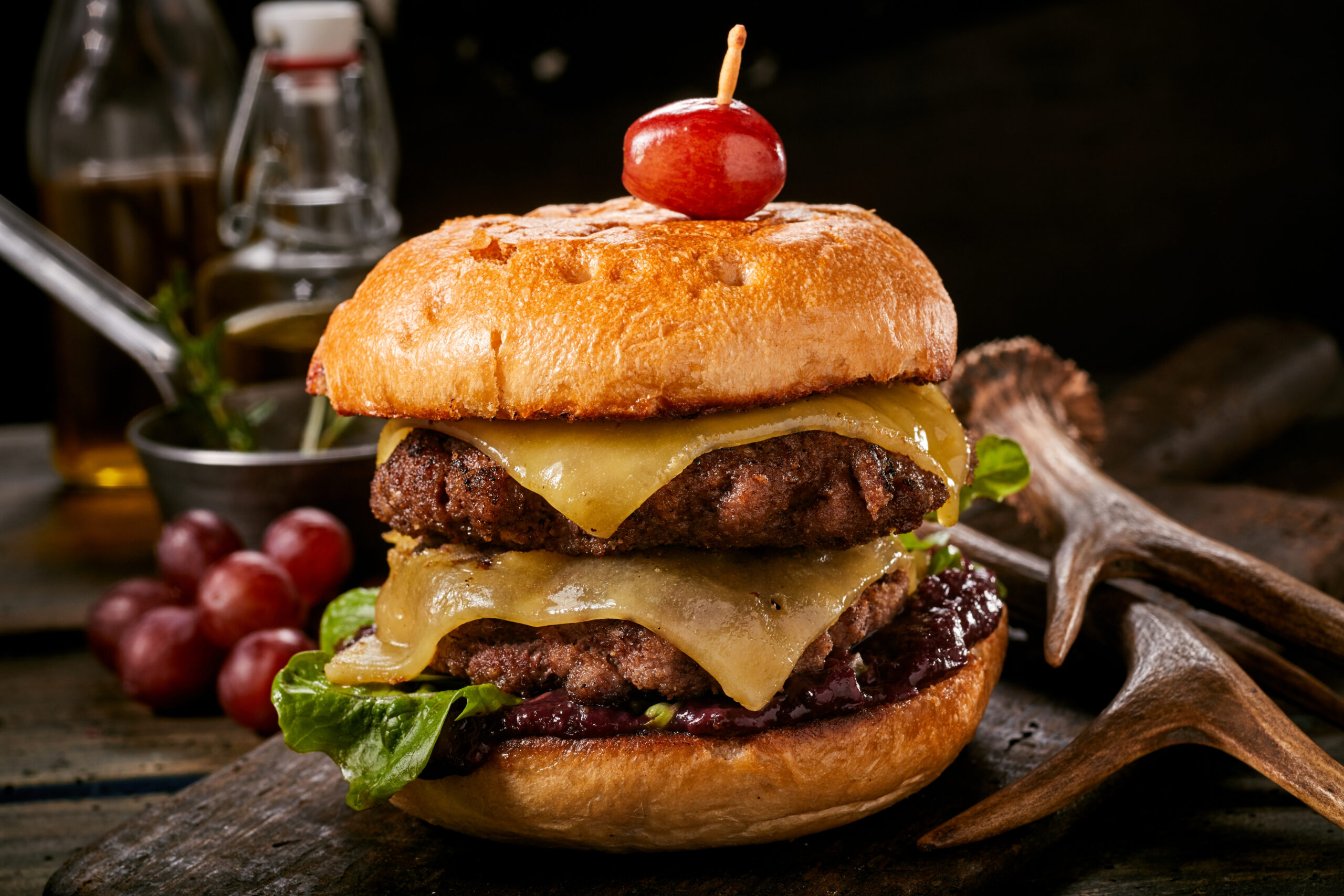
In Scotland, where deer populations are culled, eating wild venison can reduce carbon emissions.
My last full meat meal happened seven years ago. My parents visited from Costa Rica, and we spent an evening exploring the menu of a small steak restaurant in London. For them, it was the final meal before flying home; for me, it marked a farewell to my most carnivorous days.
Since then, I have mostly eaten vegetarian dishes, some seafood, and rare exceptions. My diet evolved alongside my work covering climate change. I choose animal products carefully: low-carbon options like mussels appear on my plate regularly. Meat appears only on special occasions, such as my mother’s pork leg at Christmas or a Costa Rican pork belly dish called chifrijo.
I aim to reduce food-related emissions rather than maintain a perfect vegetarian record.
Deer populations and venison
Since moving to Scotland, a new option entered my diet: venison, meat from deer. Deer populations here have grown dramatically. The Scottish Government estimates roughly one million deer now roam the country, up from half a million in 1990. Humans eradicated predators like wolves and lynx centuries ago, allowing deer to thrive.
Authorities cull deer annually to control numbers. In my pragmatic climate diet, venison seemed a natural choice if sourced from wild deer.
I asked myself this question at a cosy pub in Mallaig, Scottish Highlands, where the menu featured venison steak: could wild deer really fit a climate-conscious diet?
Matthew Moran, a biology professor at Hendrix College in the US, believes the answer is yes. He co-authored a 2020 study on potential carbon savings from wild game harvests in the United States. His team calculated the emissions saved if hunters replaced beef or chicken with their wild prey, mostly deer. Their findings suggested the reduction equaled removing 400,000 cars from the road annually.
Moran explains that harvesting wild deer causes little habitat destruction, unlike farming meat.
The complexity of low-carbon venison
Venison can be a low-carbon option, but only if the deer are truly wild. Hunting from afar can increase emissions, making the meal less sustainable.
Hannah Ritchie from Our World in Data highlights the limits of scale. A small percentage of the UK population could eat wild venison sustainably, but the global potential remains tiny.
Beef exemplifies a high-carbon food. Its production contributes around 5% of global emissions. Clearing forests or grasslands for cattle or feed crops releases carbon dioxide. Cows also produce methane, a potent greenhouse gas. Transport, retail, and storage add further emissions.
Calculating the carbon footprint per protein unit reveals stark differences. Producing 100 grams of protein releases roughly 25 kg CO2e for beef, 0.4 kg for peas, 1.6 kg for tofu, 4.3 kg for chicken, and 6.5 kg for pork.
CO2e measures emissions from various greenhouse gases based on their warming potential.
Assessing wild venison
I needed to confirm the venison at Mallaig was wild, not farmed. Farmed venison remains common in Scotland despite abundant wild deer. The waitress confirmed it came from Knoydart, a remote peninsula across the loch. Satisfied, I ordered.
The Scottish Venison Association commissioned a 2024 report estimating wild venison’s carbon footprint. Researchers included vehicle fuel, processing energy, and methane produced by the deer themselves. Like cows, deer are ruminants and release methane while digesting. Methane traps 84 times more heat than CO2 over 20 years.
The study found producing 100 grams of protein from wild venison generated 11.9 kg CO2e, less than beef but higher than chicken or pork. However, over 90% of this footprint came from the deer.
Christopher Hirst from the University of Edinburgh questions whether methane from wild deer should count. Deer exist and produce methane regardless of being culled. Studies in northern Italy suggest counting deer methane can make venison’s footprint exceed beef in some cases.
If the burger came from beef, all methane counts. For wild deer, methane comes from animals not bred for human consumption. Most Scottish venison is a byproduct of culling programs aimed at protecting landscapes. Hirst argues this reduces the apparent carbon impact.
Hunting practices and emissions
The next factor is the hunters. Travel and inefficiency dominate non-methane emissions. Long-distance hunting can erase carbon savings.
In Italy, researchers tracked 168 hunters in one season. Some killed nothing, and their travel added unnecessary emissions. Proper training could improve efficiency and halve the carbon footprint per kilogram of venison.
Still, Ritchie warns the bigger picture matters more: wild venison cannot meet the mass meat demand. Even Scotland’s entire deer population could not supply the country’s meat needs. Wild game remains a niche contribution.
Venison and climate benefits
Deer also affect carbon storage. High densities eat young trees, preventing forests from absorbing CO2 efficiently. In Scotland, deer damage 15–20% of young trees. Reducing deer helps forests store more carbon.
Forestry and Land Scotland spent £38.8 million from 2014 to 2019 on deer management, earning £9 million from venison sales. Increasing venison consumption could support climate and landscape goals.
Hirst notes barriers for consumers: price, availability, and cooking habits. Matthew Moran argues vegetarianism will remain niche. Encouraging wild game satisfies meat preferences more sustainably.
My personal experience
I wondered whether my venison came from an efficient local hunter. When my mother-in-law made a Knoydart venison stew or I spotted venison on tasting menus, I asked the same question. Today, I look beyond “wild or farmed” to evaluate the carbon impact.
At the Kinross Livestock Fair near Loch Leven, a stall sold beef, beetroot, chicken, and venison burgers. The vendor confirmed the venison was wild and shot locally. I tried a burger and found it delicious.
