


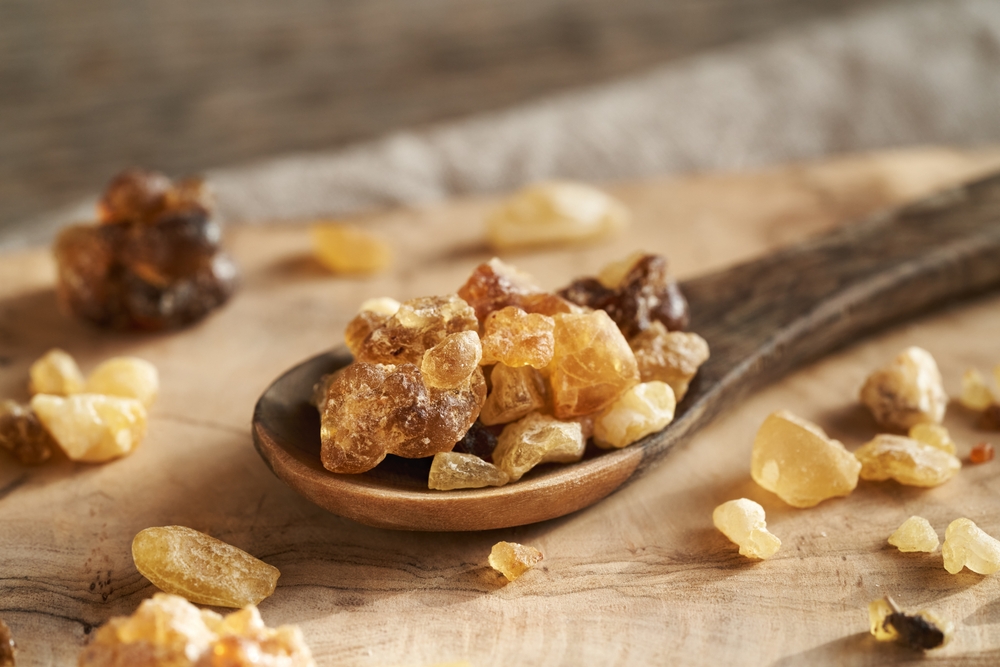
The fragrant resin that scents festive seasons and fuels the wellness industry faces a serious threat. Its natural sources are rapidly declining, putting livelihoods and traditions at risk.
A life devoted to frankincense
Salaban Salad Muse has devoted his entire life to frankincense. He lives in Dayaha, a small town in Somaliland’s Sanaag region, and works as an experienced harvester of the aromatic resin. Frankincense comes exclusively from the Boswellia tree, a desert species with papery bark and sparse leaves.
Each year, Salad Muse camps for three to six months near the grove his family has owned for generations. He inspects the trees daily, checking bark for pests, clearing sand, and tending seedlings he planted earlier. The fate of these groves will determine the survival of the local and global frankincense industry.
A sacred and ancient commodity
Frankincense has deep historical significance. It appeared in the biblical story of the Magi, who presented it to baby Jesus along with gold and myrrh. For thousands of years, Indian and Chinese medicines relied on its healing properties. Today, the $5.6 trillion wellness industry uses it for incense, meditation, and spiritual rituals worldwide.
For harvesters like Salad Muse, however, frankincense has an immediate, practical value. They depend on it for income, often facing economic pressures and environmental challenges that threaten their livelihoods.
Environmental pressures and overharvesting
The Horn of Africa, including Somaliland, Somalia, Ethiopia, and Sudan, produces most of the world’s frankincense. Rising global demand, weak regulation, and low payments to farmers push harvesters to tap trees unsustainably. Overharvesting can leave a tree damaged for over a decade, preventing recovery.
Frankincense comes from several Boswellia subspecies clinging to cliffs in arid regions. Harvesters make cuts in the bark, allowing the sap to flow and harden into “tears.” Traditional tapping is careful, but today many trees face repeated cuts beyond their limits, threatening long-term survival.
Climate change worsens the situation. Beetle infestations and cattle grazing prevent natural regeneration. A 2019 study found that over 75% of B. papyrifera populations lack young trees. Fires, excessive tapping, and environmental pressures leave the species vulnerable, with global production projected to drop by half within two decades.
Economic pressures and unequal profits
Political instability in Somalia and Somaliland exposes harvesters to volatile “spot contracts” controlled by middlemen. While resin can sell for $60-100 per kilogram abroad, harvesters often earn just $2-5 per kilogram, barely 3% of the final value.
Frankincense’s global market reached $363 million in 2023 and is projected to nearly double by 2032. Somaliland produces two highly prized species, with Boswellia frereana earning the nickname “the king of frankincense.” Rising demand and low income force harvesters to tap more trees, worsening environmental strain.
Tracking trees and sustainability
Stephen Johnson, director of FairSource Botanicals and DFEC, seeks to address the problem through traceability. Since 2023, DFEC has linked resin batches to GPS-tagged photos and ecological data. Harvesters register via a mobile app, bringing resin to collection centers where the company records origin, quality, and movement through the supply chain.
Another app monitors tree health, logging age, height, and incision numbers. DFEC visits trees every six months, supporting harvesters with workshops and training to adapt to climate change. Early results reached over 8,000 harvesters, registered more than 3,000 trees, and purchased seven tonnes of resin from local communities.
Empowering harvesters and shaping markets
Data-driven traceability empowers harvesters and supports ethical supply chains. Researchers say close monitoring could allow long-term oversight of tree health. Yet, demand for sustainable frankincense remains low.
Advocates urge institutions, including the Catholic Church, to use moral influence to encourage responsible sourcing. Harvesters and the women who spend hours sorting resin deserve recognition. Protecting both people and trees will determine whether frankincense survives for future generations.
