


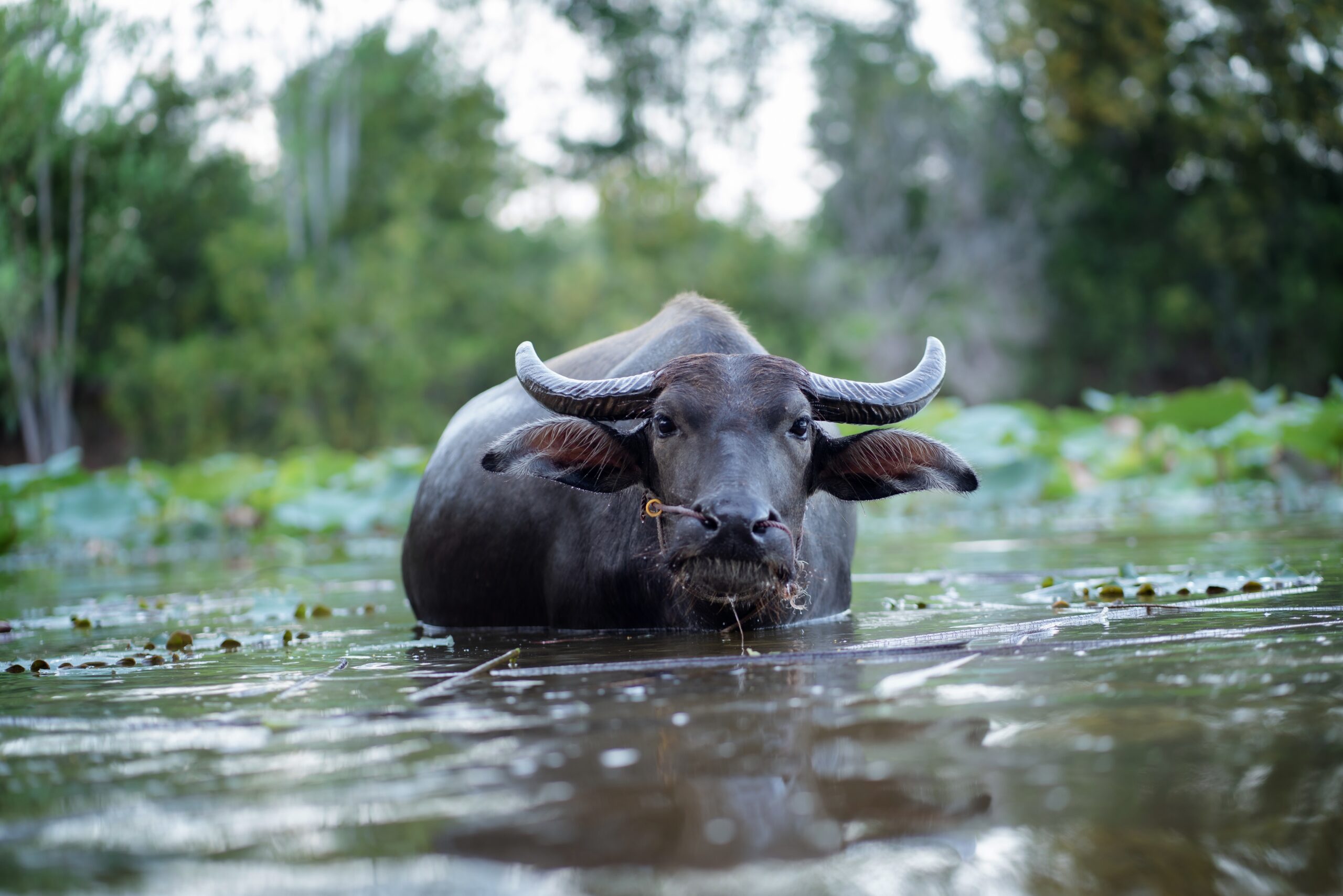
Six female water buffalo have been introduced to a 120-acre site at Tattiscombe on west Exmoor as part of a National Trust project to restore farmland into natural wetland.
Known as “wetland architects,” the buffalo use their hooves to churn soil, create wallows, and keep ponds open — actions that slow water flow, reduce flooding, and improve drought resilience.
“Buffalo are specialised wetland animals, and this site offers an ideal habitat for them,” said Murray Sharpe, the Trust’s West Exmoor farm manager. “Their grazing will help shape a wider range of habitats and create new niches for wildlife.”
Originally from Asia, water buffalo are increasingly used in UK conservation for their hardiness and ability to thrive in waterlogged conditions. The National Trust said the animals offer a natural alternative to heavy machinery for boosting biodiversity.
The site, which includes grassland, wood pasture, and wetlands, is not open to the public. Conservation teams will monitor the buffalo’s impact on water flow, plant diversity, and wildlife numbers over the coming years.
