


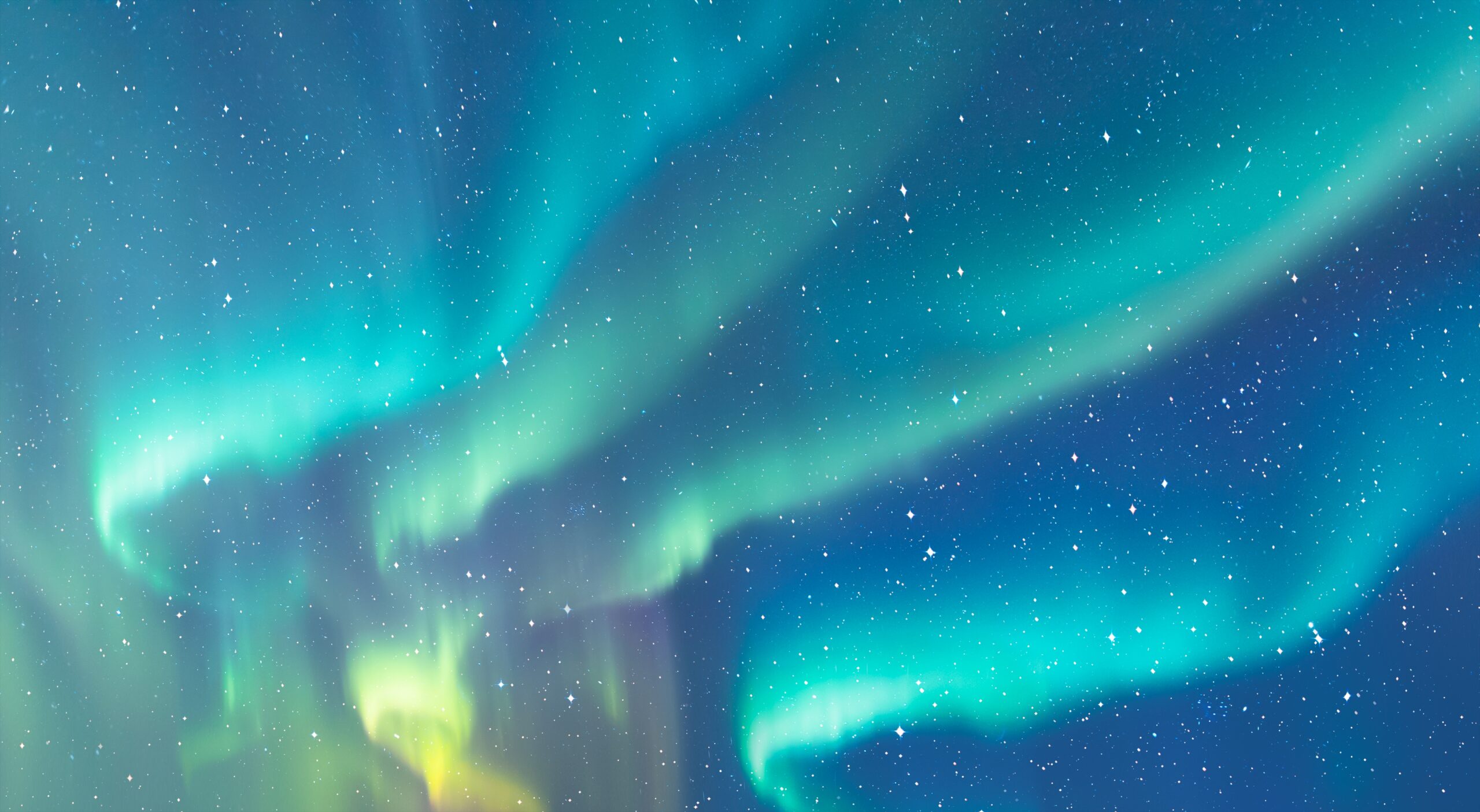
The Northern Lights lit up the UK sky for the first time this autumn on Monday night and may return Tuesday. From northern Scotland to north Wales, Norfolk, and Kent, people saw the vivid purples, greens, and reds of the aurora after a strong solar storm.
Solar Storm Sparks Aurora Across the UK
Space weather forecasters warned of possible aurora on Monday afternoon after satellites detected a coronal mass ejection on the Sun’s surface. This surge of solar energy entered Earth’s atmosphere, colliding with oxygen and nitrogen and creating the aurora’s bright colours.
The Met Office Space Weather Centre predicted the solar activity could continue into Tuesday night and potentially reach a G4 Severe storm on the G1-G5 scale. This would increase the chance of seeing the Northern Lights across the UK, even with the naked eye.
Krista Hammond, the centre’s space weather manager, urged the public to follow the latest updates, emphasizing that forecasts can change rapidly.
Cloud Cover and Viewing Conditions
Visibility depends heavily on cloud cover. Unfortunately, clouds will thicken across England, Wales, and Northern Ireland on Tuesday night, with heavy rain and rising winds. Scotland will enjoy the clearest skies, offering the best chance to view the aurora.
Urban areas may also struggle to see the lights because of light pollution. If the aurora is faint, photography can reveal its full beauty. Long exposure settings on a camera, combined with a tripod, capture the lights without blur. Phone users should switch off the flash, use night mode, and set exposure between three and five seconds. Advanced apps can adjust shutter speed, ISO, and exposure for even better results.
Geomagnetic Storm Reaches Moderate Levels
The US Space Weather Prediction Center confirmed a “moderate geomagnetic storm” at G2 early Tuesday morning. While auroras commonly appear in northern UK regions, stronger solar storms allow visibility further south. On Monday night, reports even came from as far south as Dorset.
Experts expect solar activity to return to normal levels by Wednesday. The Northern Lights occur when solar winds carry charged particles into Earth’s magnetic field. This week’s heightened chance came from a fast-moving coronal mass ejection—a sudden release of plasma and magnetic field from the Sun’s corona—late Saturday night.
