


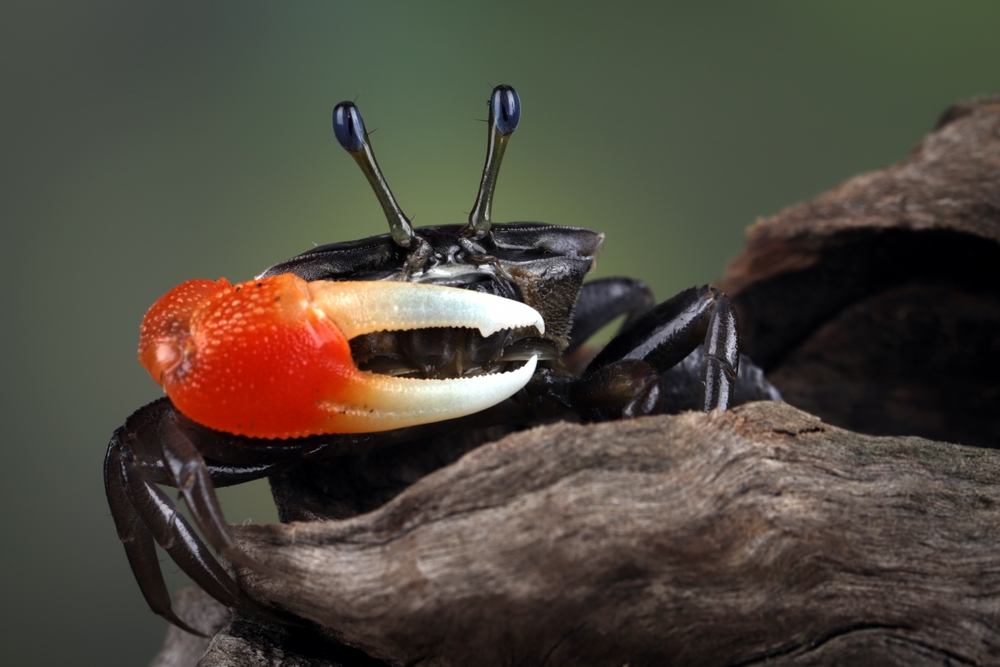
Despite being no larger than a Post-It note, tiny fiddler crabs can ingest and break down microplastic particles, researchers report. Scientists reveal these small crabs play an unexpected role in reducing plastic pollution in coastal ecosystems.
Crabs thrive amid plastic pollution
A new study in Global Change Biology monitored fiddler crabs in a highly polluted mangrove forest on Colombia’s northern coast. Years of urban and agricultural expansion have damaged the mangroves, producing some of the world’s highest plastic concentrations. Researchers discovered that the crabs are thriving despite these harsh conditions. The animals ingest and break down significant amounts of microplastics in the sediment. Known as ecosystem engineers, fiddler crabs fragment plastics within days, much faster than sunlight or wave action could achieve.
How fiddler crabs interact with microplastics
Previous research observed fiddler crabs eating plastic in laboratory experiments, but scientists had not studied their behavior in natural habitats. This study tested whether crabs avoid plastic in the wild or adapt to its presence. Teams from Universidad de Antioquia, the University of Exeter, and CEMarin set up five one-square-meter plots in urban mangrove areas. They sprayed the soil with 100ml solutions containing polyethylene microspheres, tiny plastic particles that fluoresce under UV light. Researchers repeated the treatment over 66 days and then sampled soil and 95 crabs.
Lead researcher Professor José M. Riascos explained they wanted to track the distribution of microspheres across the crabs’ organs and examine whether the crabs physically break down the particles.
Crabs concentrate and fragment microplastics
The study revealed that crabs accumulated microplastics at 13 times the concentration found in the sediment. Particles were not evenly distributed across organs, with the highest levels appearing in the hindguts. Many microplastics broke into smaller fragments during digestion. Scientists suggest that the crabs’ specialized grinding gut, aided by plastic-degrading bacteria, drives this process. Female crabs showed a higher likelihood of fragmenting plastics than males, hinting at subtle biological differences in how they process pollution.
Possible risks for crabs and the food chain
Despite their impressive abilities, researchers warn that ingesting microplastics may carry hidden risks. Tiny plastic fragments could enter crab tissues and eventually move up the food chain. Scientists stress the need for more research to determine whether these microplastics harm crabs or affect their predators. The precise health impacts remain uncertain, but multiple studies link microplastic exposure to problems such as cancer, respiratory issues, and cardiovascular disease. Understanding these effects is crucial to assessing the ecological consequences of plastic pollution.
