


In 2018, thousands of starved animals lay dead across the Oostvaardersplassen, a famed Dutch rewilding project. The sight sparked nationwide outrage. Was it nature taking its course, or was it cruelty?
Train passengers travelling between Almere and Amsterdam froze at the view. Cow, horse, and deer carcasses littered the landscape. Oostvaardersplassen, known for its wild grazers and birdlife, had become a scene of devastation.
From Nature Experiment to Controversy
Since the 1980s, the Oostvaardersplassen followed a strict non-interventionist philosophy. Rangers allowed ecosystems to shape themselves naturally. This approach influenced rewilding projects across Europe.
The philosophy failed during the winter of 2017-18. Thousands of animals faced starvation and had to be culled. The landscape resembled a barren wasteland, with scattered bones and stripped grasslands.
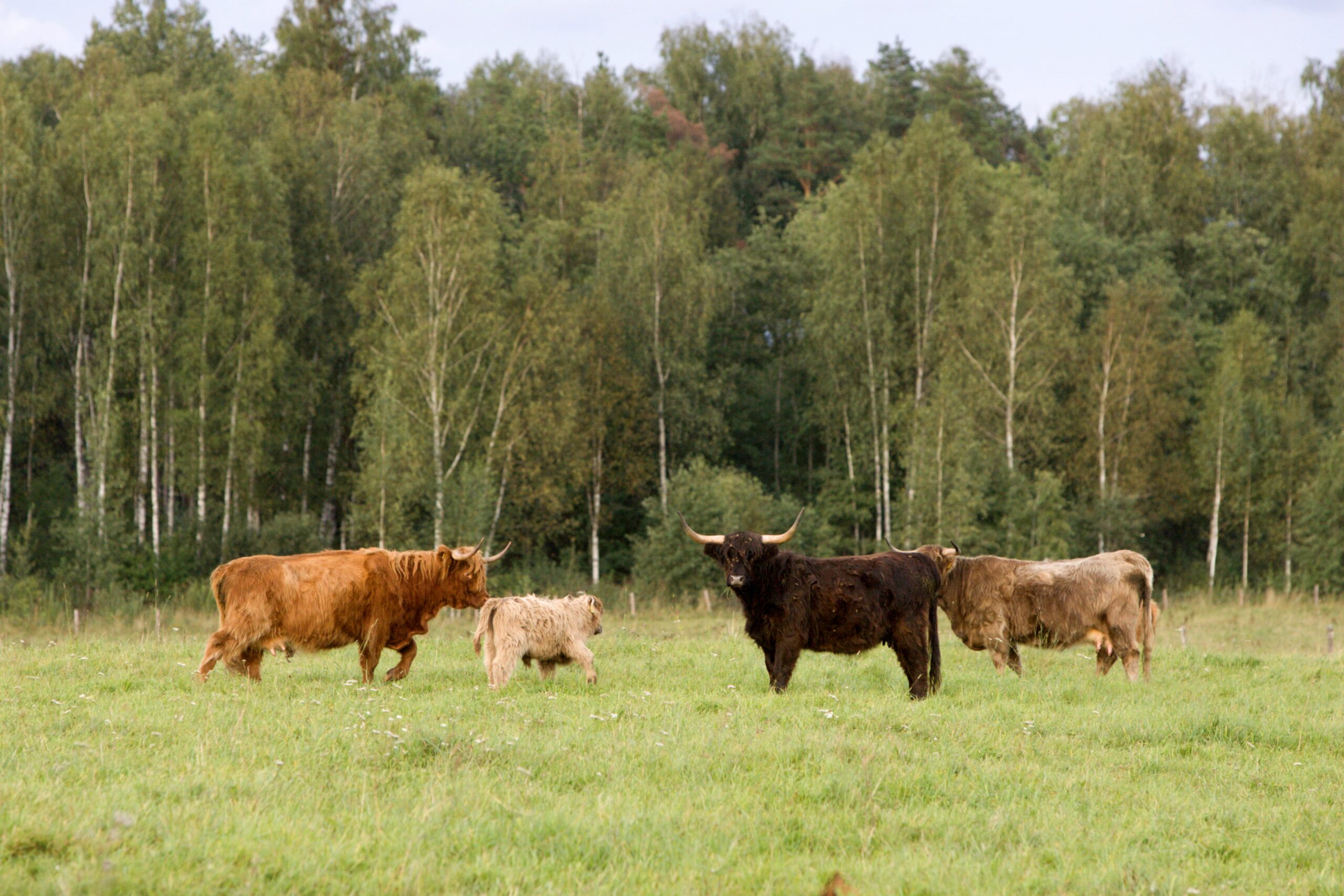
Hans-Erik Kuypers, a park ranger, recalls the sight. “It was a completely different landscape… a monotonous grassland,” he says. Today, the reserve displays thriving birdlife, lush pools, and clusters of trees. White-tailed eagles soar, and wild horses roll in grass, while large bulls graze near windmills.
A Change in Management
After 2018, rangers actively intervene to prevent starvation. They plant trees, feed animals when needed, and manage herd sizes. Some critics argue that this is unnatural, but authorities insist it prevents mass deaths.
“There are still people who think we should act differently,” says Kuypers. “Rewilding depends on philosophy and the goals humans project onto nature.” The debate reflects a deeper conflict in conservation today, balancing human ethics with natural processes.
Geese and Grazers
The Oostvaardersplassen originated in 1968 when the Dutch drained an inland sea to build Almere and Lelystad. The land was initially earmarked for industrial development.
Swampy sections soon became critical for greylag geese. The birds fed on reedbeds during their moulting season in May and June, maintaining the marsh for other species.
Frank Berendse, a retired nature management professor, calls the geese “ecosystem engineers.” They created pools and open spaces that supported a wide variety of birds. The area became a paradise for marsh birds, including little bitterns, little egrets, and spoonbills.
Rewilding with Large Herbivores
In 1979, Dutch biologist Frans Vera argued that Oostvaardersplassen was ecologically unique and deserved protection. He advocated for a reserve to preserve marsh and waterbird populations.
The reserve gained official status in 1983, spanning 56 square kilometers, roughly the size of Manhattan. Vera proposed introducing large herbivores to recreate a prehistoric grassland landscape, limiting human intervention.
He introduced 32 Heck cattle in 1983, 18 Konik horses in 1984, and 44 red deer in 1994. Animals roamed freely, maintaining open grasslands without human interference. Populations grew rapidly, supporting birds and shaping the landscape naturally.
Boom and Bust
From 2005 to 2015, grazers multiplied uncontrollably, stripping vegetation. Grasslands replaced diverse habitats of elders, hawthorns, and willows. High grazing pressure caused rare birds to disappear, including little bitterns and little egrets.
Between 2015 and 2016, starvation killed 1,613 grazers, 90% of them culled by rangers. The extreme winter of 2017-18 left about 3,000 dead. The carnage shocked the public, sparking viral images and social media outrage.
Vera defends the deaths as natural correction. Starvation and winter die-offs occur in wild populations worldwide, from Serengeti wildebeest to Yellowstone bison. Critics argue Oostvaardersplassen differs because it is a small, fenced reserve with limited predator presence.
Wolves, Fences, and Human Limits
Wolves returned to the Netherlands in 2019 after 150 years. They feed on deer and wild boar and may eventually reach Oostvaardersplassen. Their presence could reduce grazer numbers and create an “ecology of fear,” encouraging animals to roam and change vegetation patterns.
Rangers now feed animals, monitor populations, and limit herbivores to 1,500 per year. They adjust water levels, plant trees, and maintain pools for birds. Human intervention preserves ecological balance without eliminating natural processes entirely.
Lessons for Rewilding
Scientists debate the ethics of intervention. Critics argue fixed populations hinder natural ecosystem functions. Supporters say intervention ensures public support and prevents unnecessary suffering.
Social perception influenced controversy. Many saw horses and cattle through a domesticated lens, leading to anger over starvation. Frans Vera insists this misperception fueled protests and threatened his family.
Despite criticism, Vera’s vision reshaped conservation in Europe. Projects like the UK’s Knepp Estate, where wild horses, deer, and pigs maintain ecosystems, draw directly on his work. The approach emphasizes dynamic landscapes, grazing, and natural processes.
A Radical Idea That Changed Conservation
The Oostvaardersplassen remains a symbol of radical rewilding. It challenged conventional ideas about controlling nature. Frans Vera’s methods sparked debate, experimentation, and new conservation strategies.
Conservationists now see large herbivores as architects of the landscape. Vera’s experiment showed that letting populations fluctuate naturally can restore ecosystems and inspire global rewilding movements.
Hans-Erik Kuypers calls it a lesson in balance. “This is a landscape shaped by humans, where we have created space for natural processes,” he says. Oostvaardersplassen continues to influence rewilding, conservation, and how we envision the role of humans in nature.
