


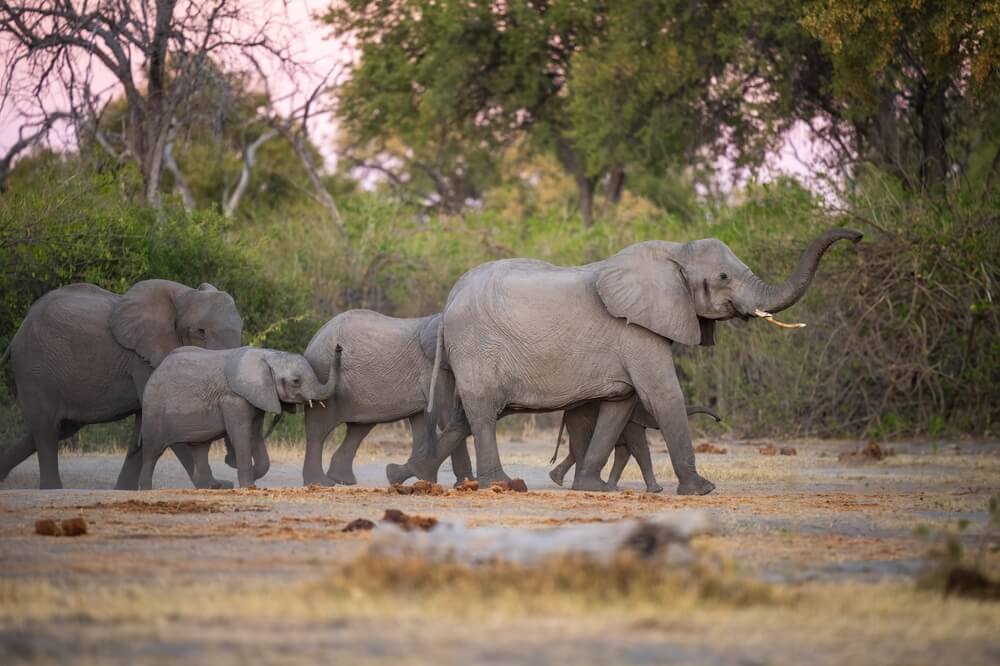
Thailand is giving birth control vaccines to wild elephants to prevent deadly conflicts with people. Authorities say farms are expanding into forests and pushing elephants out of their habitats. Elephants then move closer to villages to find food and water. Officials want to reduce dangerous encounters between humans and elephants before the situation worsens.
Human-elephant conflict is rising fast
Thailand recorded 30 deaths and 29 injuries caused by wild elephants last year. Authorities also reported more than 2,000 incidents of elephants destroying crops. Officials say shrinking forests force elephants to search for food in farmland and settlements. Sukhee Boonsang from the Wildlife Conservation Office says controlling elephant population growth has become necessary. He says the number of elephants near residential areas is rising sharply and increasing confrontation risks.
Vaccine trials show promising results
Thailand imported 25 doses of a US-made contraceptive vaccine and tested it on seven domesticated elephants over two years. The trial produced encouraging results, according to officials. Boonsang says the vaccine allows elephants to ovulate but prevents fertilisation. Authorities administered the vaccine to three wild elephants in Trat province in late January. Officials are now selecting new target areas before using the remaining doses.
The vaccine can prevent pregnancy for seven years. Elephants can reproduce again if they do not receive a booster after that period. Experts will monitor vaccinated elephants closely throughout the seven years.
Critics warn about conservation risks
Some conservationists warn the programme could undermine elephant protection efforts. Elephants have played a major role in Thailand’s culture for centuries. People used domesticated elephants for farming and transport, and the animal remains a national symbol. Boonsang says the programme targets only high-conflict zones. Official data shows wild elephants in these areas have an annual birth rate of about 8.2 percent, more than double the national average of about 3.5 percent.
Experts estimate around 800 of Thailand’s 4,400 wild elephants live in conflict-prone regions. Boonsang says failing to act would make the impact on local communities unmanageable.
Authorities use multiple strategies to reduce clashes
Thailand is also using other measures to reduce human-elephant conflict. Authorities are creating new water and food sources inside forests. Officials are building protective fencing and deploying rangers to guide elephants back to the wild. A recent court-ordered relocation of problem elephants in Khon Kaen province triggered public outrage after one elephant died.
Officials say the elephant choked after anaesthesia during the relocation process. The Department of National Parks led the operation, and director general Athapol Charoenshunsa expressed regret. He said authorities followed protocols and launched an investigation to prevent future incidents.
