


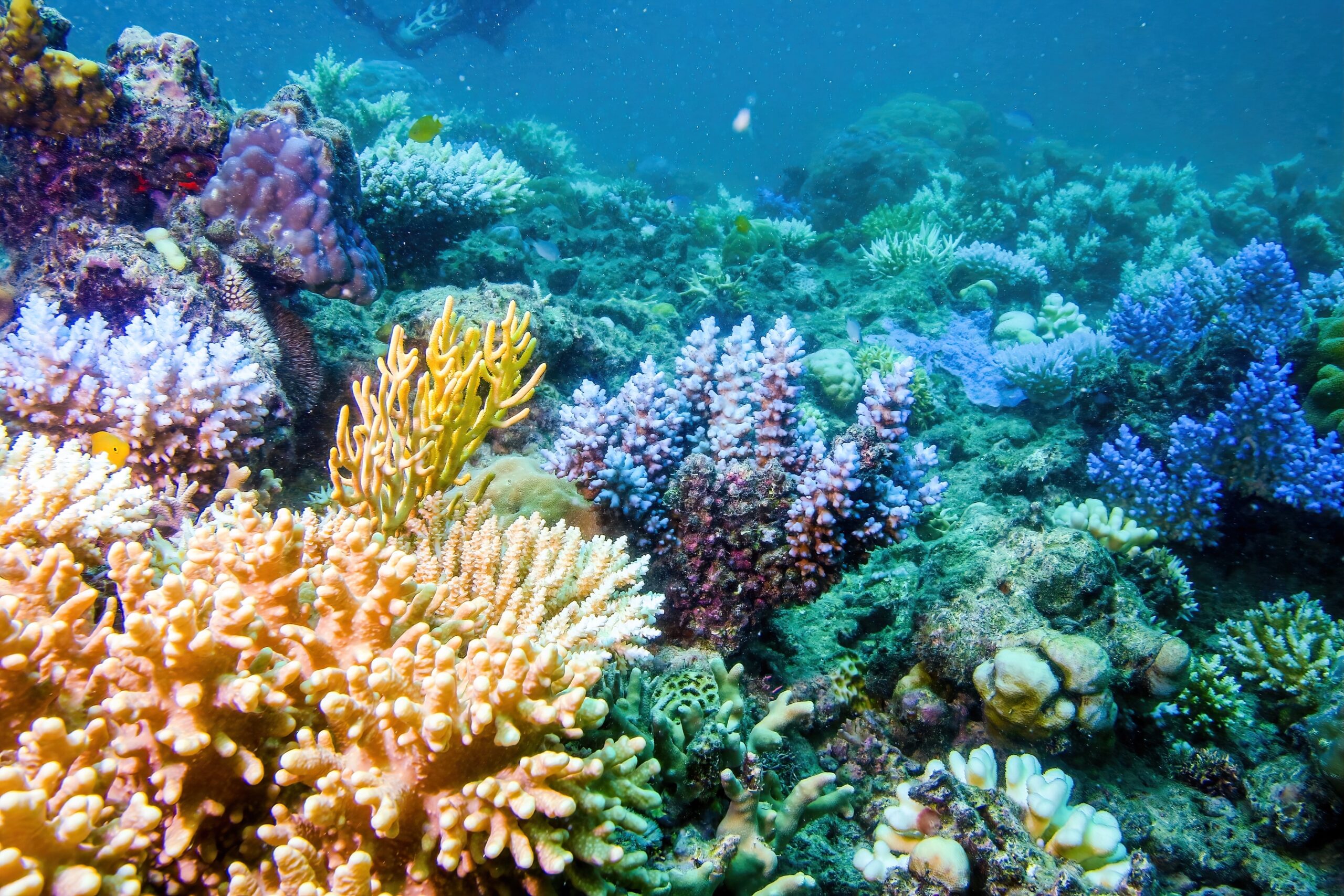
A bid to reduce sulphur pollution from ships unintentionally intensified a mass coral bleaching event on the Great Barrier Reef in 2022, according to new research.
Scientists found that sulphur emissions from ships previously helped reflect and absorb sunlight, slightly shading the reef. After new rules from the International Maritime Organization cut sulphur levels in marine fuels, more sunlight reached the ocean surface, increasing heat stress on corals by up to 10%.
The study, led by researchers at the University of Melbourne, analysed ship traffic and weather conditions during a peak heat period, when about 5,000 vessels were operating near the reef. It concluded that while sulphur reductions are essential for human health, cutting air pollution without also rapidly reducing greenhouse gas emissions can have unintended local impacts.
The research was published in Communications Earth & Environment.
