


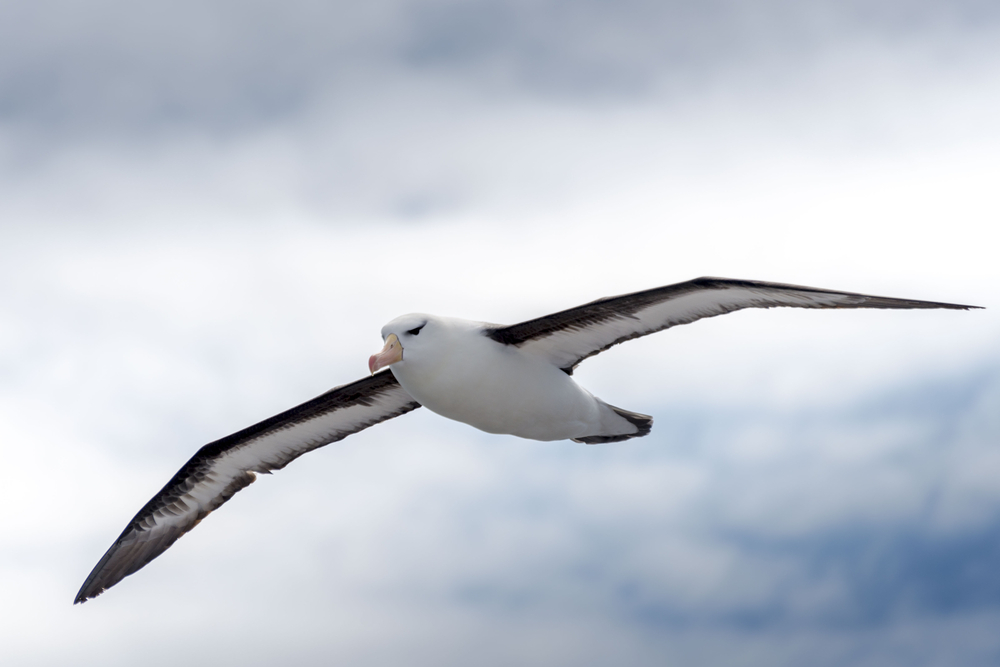
Tracking seabirds off Cape Point
On a small boat in the Atlantic, about 50 kilometers from South Africa’s Cape Point, bird watchers scan the horizon. They call out names of seabirds: “Atlantic yellow-nosed! Black-browed albatross!”
The tour boat takes visitors from Cape Town to see endangered seabirds, including albatrosses, which rarely appear on land. It’s a warm summer day with clear blue skies, perfect for spotting birds.
The skipper speaks on the radio, searching for fishing trawlers. Soon he spots one and steers directly toward it. As the boat—run by Cape Town Pelagics, a non-profit—approaches, more seabirds emerge. Hundreds trail behind the fishing vessel.
These birds associate the boats with food. They wait for discarded fish heads and guts thrown into the sea as fishermen process their catch. Birds even dive into nets to snatch fish, but these actions can prove deadly.
The hidden danger of long-line fishing
“They get caught on long lines,” says Tim Appleton, a British conservationist and founder of the Global Bird Fair. Commercial fishing uses long lines with thousands of hooks to catch tuna and other large fish.
Some lines stretch over 60 miles with 4,000 baited hooks. Birds grab the bait, get snagged, and drown. The accidental deaths caused by fishing boats are called bycatch. Birds also get entangled in cables that lift nets to the surface.
Albatrosses spend nearly half their lives at sea, making them especially vulnerable to fishing threats. “Seabirds rank among the most endangered bird groups worldwide,” says Andrea Angel from BirdLife South Africa. She leads the Albatross Task Force, which has worked for two decades to protect the birds.
Why albatrosses face extinction
“There are 22 albatross species worldwide, 15 threatened by fishing,” Angel explains. “They live almost entirely at sea, hunting squid and fish. Fishing vessels cross their path constantly.”
Albatross reproduction also increases their vulnerability. They mate for life and lay only one egg every two years. Both parents feed the chick on remote breeding islands.
“If one parent dies while following fishing boats, the chick on the island dies too,” Angel adds. Losing a parent wastes years of reproductive investment. Albatrosses take up to four years to form a new pair bond, so each death delays reproduction further.
Bird-scaring lines save lives
Conservationists use bird-scaring lines to protect birds at sea. These lines act like nautical scarecrows, keeping birds away from nets and hooks. Colorful plastic streamers flutter above the lines, deterring birds. The lines are cheap, easy to produce, and highly effective.
BirdLife collaborates with disabled workers from the Ocean View Association for Persons with Disabilities to make the lines. “Some members were fishermen before their disabilities,” says Deborah Gonsalves, the association’s manager. “Partnering with BirdLife has boosted their confidence and skills.”
Building lines gives workers productivity, self-worth, and supplementary income during challenging economic times.
Economic benefits for fisheries
Bird-scaring lines also benefit fisheries. “Originally called tori lines, they were developed by a Japanese fisherman in the 1990s,” Angel says. “He wanted to stop catching birds instead of valuable tuna. A tuna can be worth $10,000, while a bird has no value.”
Despite the incentives, some fishermen skip using the lines due to time pressure, safety, or quotas. Conservationists must continually remind them to deploy the devices, saving tens of thousands of birds annually.
A model for global conservation
Since its launch in 2004, the Albatross Task Force has reduced seabird deaths in southern African fisheries by 90 percent. Conservationists hope to replicate this success worldwide. Protecting these majestic birds ensures they can continue reproducing and roaming the seas for generations to come.
