


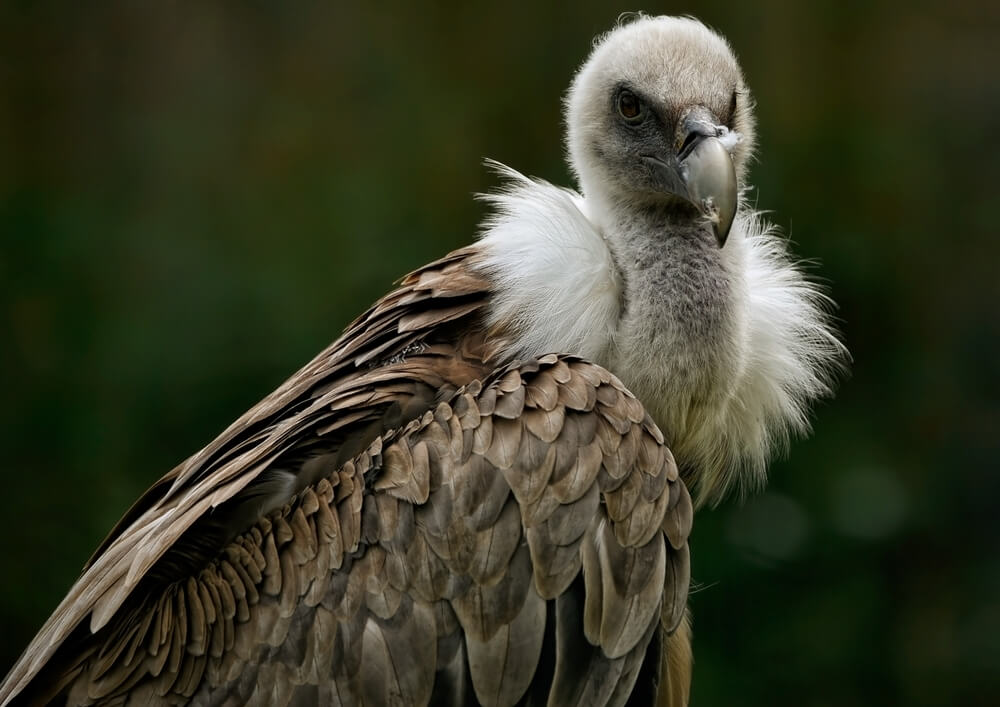
Sardinia’s griffon vultures once teetered on the brink of extinction, but today their numbers soar, marking a remarkable conservation turnaround. In 2014, only around 60 birds survived on the island, confined to a small stretch between Bosa and Alghero. Poisoned food sources, including pesticides and chemicals in scavenged animals, drove the population to collapse, while direct human persecution worsened their plight. These majestic birds play a crucial ecological role, cleaning carcasses and preventing the spread of harmful bacteria. Their decline threatened the balance of Sardinia’s ecosystem.
Sardinia’s griffon vultures risked extinction
By the early 2010s, Sardinia’s griffon vultures faced near-total disappearance. Toxic substances in the food chain caused accidental poisoning, while hunting-related lead further harmed the birds. Humans also targeted them directly, despite the species posing no threat to livestock or people. The decline endangered the island’s natural systems, as griffon vultures naturally remove carcasses that could spread disease. Without intervention, the species risked disappearing entirely, along with the vital ecological service it provides.
Sardinia launches projects to save disappearing griffon vulture population
From 2015 to 2020, European Commission-funded efforts launched the ‘Life Under Griffon Wings’ project. The initiative focused on Bosa, increasing food supply, protecting nesting sites, and engaging local communities. In 2021, the follow-up ‘Life Safe for Vultures’ project began, running through 2026 with over €3 million in funding. Partners include the University of Sassari, the Forestas Agency, the Sardinian Forestry Corps, and the Vulture Conservation Foundation. The program built feeding stations, known as carnai, and upgraded power lines to prevent electrocution. It also worked with hunters to promote lead-free ammunition, reducing poisoning risks.
Griffon vultures start to thrive on Sardinia
A major element of the project involves releasing young griffon vultures, many from Spanish rescue centers, into areas where the species had vanished. The last 15 birds arrived from Barcelona in January, acclimatising in aviaries before planned release into the wild later in the year. The program aims to expand both population numbers and distribution across Sardinia. The latest census shows between 516 and 566 griffon vultures, a 21 percent increase compared to 2024. While 60 percent remain in Bosa, new colonies emerge in central and southern regions.
Monitoring of reproduction also shows strong recovery. In 2025, researchers counted 120 territorial pairs in northwestern Sardinia, the species’ main breeding area, a 14.3 percent rise from 2024. Fledged young increased by 15.5 percent, with restocked and native birds successfully pairing. The Forestas Agency said the ultimate goal is ambitious: to reconnect northern populations with new southern nesting sites, spreading the species across the entire island.
