


Unexpected resilience in the Arctic
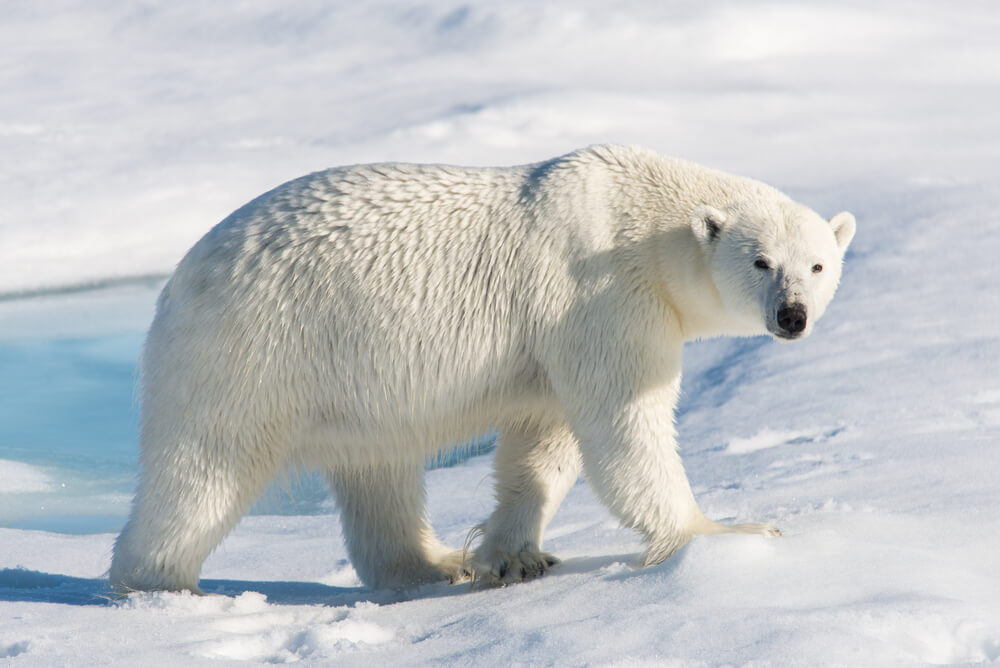
Scientists expected polar bears in Norway’s Svalbard archipelago to suffer from declining sea ice. Instead, researchers found the bears have become fatter and healthier since the early 1990s. Sea ice steadily decreased due to climate change, yet the animals defied predictions.
Polar bears depend on sea ice to hunt seals, which provide high-fat meals crucial for energy and insulation. Fat reserves also help mothers produce rich milk for cubs.
Researchers weighed and measured 770 adult polar bears in Svalbard between 1992 and 2019. They discovered a significant increase in body mass and overall health.
Adapting to land-based food sources
Scientists suggest that Svalbard bears adjusted to ice loss by hunting more land-based prey, including reindeer and walruses. This adaptation may have offset the challenges posed by shrinking sea ice.
The findings, published in Scientific Reports, surprised experts because Svalbard faces some of the fastest warming in the Arctic. Researchers recorded nearly 100 additional ice-free days per year since the early 1990s, an increase of about four days annually.
“The fatter a bear is, the better it survives,” said Dr. Jon Aars from the Norwegian Polar Institute. “I expected a decline in body condition given such profound ice loss.”
The role of walruses and concentrated seals
Walruses in Norway have been protected since the 1950s, allowing their populations to rebound after near extinction. This recovery has given polar bears a new, fatty food source.
“There are many more walruses available now,” Aars explained. “Seals also gather in smaller ice areas, making hunting easier.” Concentrated hunting grounds help bears access prey with less energy.
While this positive trend offers temporary relief for the bears, researchers warn it may not last. As ice continues to decline, bears must travel farther for food, depleting energy and fat reserves.
Historical pressures and population recovery
Polar Bears International highlights that Svalbard bears were among the most heavily hunted in the world until international protections began in the 1970s. Scientists believe the current health boost links partly to the population’s recovery.
In addition, the growth of walrus and reindeer populations in recent decades has created more food options, providing temporary benefits.
Dr. John Whiteman, chief research scientist at Polar Bears International, called the results “positive in the short term.” He added that body condition alone does not capture the full picture. Research shows more ice-free days reduce survival rates in cubs and older females.
A warning from other Arctic regions
Climate change affects polar bears differently across the Arctic. The species has 20 known sub-populations. In Canada’s Western Hudson Bay, researchers observed direct population declines caused by rising temperatures.
Whiteman emphasized that sea ice remains essential for long-term survival. “Ice loss ultimately leads to bear declines, but the short-term situation can vary by region. If ice loss continues unchecked, we know the bears will eventually disappear.”
