


Plastic bottles and debris that likely originated in Canada and date back to the 1960s and 1970s have washed up on a beach in Orkney. Litter pickers say the amount of plastic on the shoreline at Howar Sands in Sanday has overwhelmed them in recent weeks.
David Warner, who organises beach clean-ups, collected 42 plastic bottles last year. He has already found hundreds this year. Experts blame unusual weather conditions, including strong south-easterly winds, for the surge in retro rubbish.
Warner, 35, said some bottles appeared to come from Newfoundland and Labrador in Canada. He worries that even more debris will reach the beach in the future. He said the team has not yet seen rubbish from the 1990s and 2000s, and the future volumes could become extreme.
Vast Numbers of Microplastics Cover the Shore
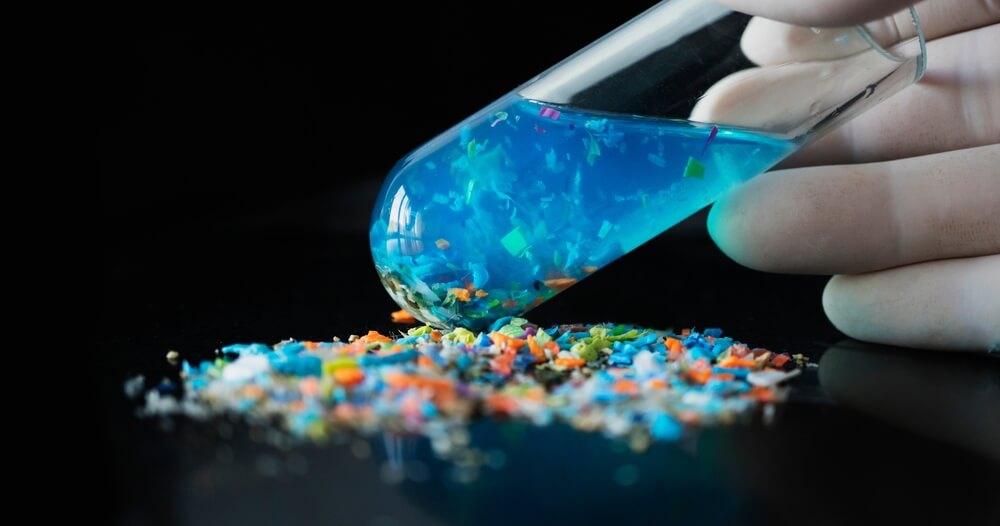
Warner estimated more than 300,000 polystyrene fragments across a 70-square-metre area. He said the sheer volume of rubbish on the beach felt overwhelming. He said this marked the first time he felt unable to cope with the scale of pollution.
He explained that volunteers usually clean the beach and make it look clear. He said rubbish normally returns after three months, and the team accepts this cycle. He said this time the quantity and tiny polystyrene fragments made collection impossible.
The beach holds special scientific interest because nesting birds use it, so litter poses risks to wildlife.
Experts Warn Plastic Travels Across Oceans and Never Disappears
The Marine Conservation Society said historic litter often appears during seasonal storms. The organisation said eroding coastal landfill sites also release large amounts of older waste. Spokesperson Catherine Gemmell said plastic can persist for a very long time in the marine environment and travel across oceans.
John Berry from the Scottish Islands Federation and Greener Orkney said he did not feel surprised by the increase in litter on Sanday. He said Orkney has some very clean beaches and some very polluted beaches. He said changing weather patterns can bring old legacy materials back to shore.
He added that volunteers will clean the beach in spring and expect rubbish to return next year. He said they will repeat the clean-up again.
Turning Pollution Into Awareness and Art
Despite the discouraging situation, Warner wants to create a positive outcome. He plans to form an official beach-cleaning group where people can share interesting discoveries. He said rubbish reaches the island from distant places, including a decapitated doll from Japan.
As a member of the Sanday Community Craft Club, he is considering using the plastic to create an artistic sculpture to highlight the problem. Warner said people cannot escape plastic because it is everywhere in daily life. He urged people to think about where plastic ends up when they buy it.
He said even if the rubbish does not come from local communities, it still belongs to someone. He said people should consider where their own waste will go and try to buy less plastic whenever possible.
